

Sustainable fashion is not only a growing movement but also an increasingly accessible choice for UK shoppers. With environmental awareness on the rise and demand for ethical alternatives stronger than ever, the British high street and independent labels are responding by prioritising transparency, fair labour, and planet-friendly materials. But with a flurry of options and greenwashing on the rise, it can be tricky to sort genuine innovation from mere marketing.
This guide puts a spotlight on reputable UK-based sustainable fashion brands and platforms, from innovators in vegan clothing and circular design, to affordable labels and second-hand marketplaces that make eco-friendly wardrobes more realistic for a wider range of consumers. Whether you’re after everyday basics or something to refresh your style, there are credible options to fit all budgets, styles, and lifestyles.
What Makes a Fashion Brand Sustainable?
A genuinely sustainable fashion brand commits to reducing negative impact across its production, from design through to retail. Key pillars include prioritising eco-friendly fabrics (such as certified organic cotton or recycled materials), ensuring safe and fairly paid working conditions for all staff, and keeping supply chains transparently traceable. In the UK, leading sustainable brands have also embraced circular fashion, designing with durability in mind and offering repair or recycling schemes. Vegan-friendly design is also on the rise, with several brands producing entirely animal-free collections. Such credentials go beyond style trends, demanding rigorous third-party certification or transparent evidence of environmental and social responsibility.

Affordable and Accessible Brands to Know
With a common misconception that sustainable clothing always comes at a premium, an increasing number of UK brands are aiming to change that. Yes Friends is a standout example, committed to making ethically produced basics like T-shirts and sweatshirts truly accessible, all while using certified organic cotton and fair wage manufacturing. Isle of Wight-based Rapanui leads on affordable circular fashion, producing their entire range from organic materials and offering a take-back scheme so worn-out items can be remade into new garments. Not Basics puts cost-conscious shoppers first by offering simple, versatile wardrobe staples with transparent pricing and environmental reporting. London-based Plainandsimple focuses on quality essentials made with sustainable materials, designed with longevity in mind. Dip & Doze, although known for their bedding, includes clothing options crafted with environmental and labour standards at their core.
Vegan-Friendly and Inclusivity-Driven Brands
The UK is home to a growing number of 100 percent vegan fashion brands. VO, for instance, creates vegan-friendly clothing with bold messaging advocating animal rights, while Sassy Spud (based in Ireland but shipping to the UK) offers organic cotton basics with vegan-friendly prints and playful designs. Girlfriend Collective stands out for its size-inclusive, high-performance activewear made entirely from recycled materials, covering a wide size range with both comfort and sustainability at the forefront. The Spark Company blends sustainability with social conscience, promoting progressive, feminist, and LGBTQ+ messages on their garments, while avoiding harmful chemicals and opting for sustainable materials throughout their offering.
Brands Leading by Ethical Production and Design
Classic UK brands continue to set standards for commitment to both planet and people. Komodo, founded in 1988, is recognised as an original ethical pioneer, producing every item from organic, eco-friendly, and often vegan materials, and operating with stringent supplier standards and transparency. BEEN London recycles materials such as discarded leather into stylish, practical accessories and minimises waste throughout the supply chain. COSSAC offers pared-back, timeless pieces made from eco-certified fabrics and works with carefully vetted factories, choosing quality over quantity to avoid overproduction. Colorful Standard specialises in vibrant, long-lasting basics for all genders crafted in Portugal from organic fabrics and non-toxic dyes, aiming for classic pieces designed to last.
Second-Hand, Circular, and Online Marketplaces
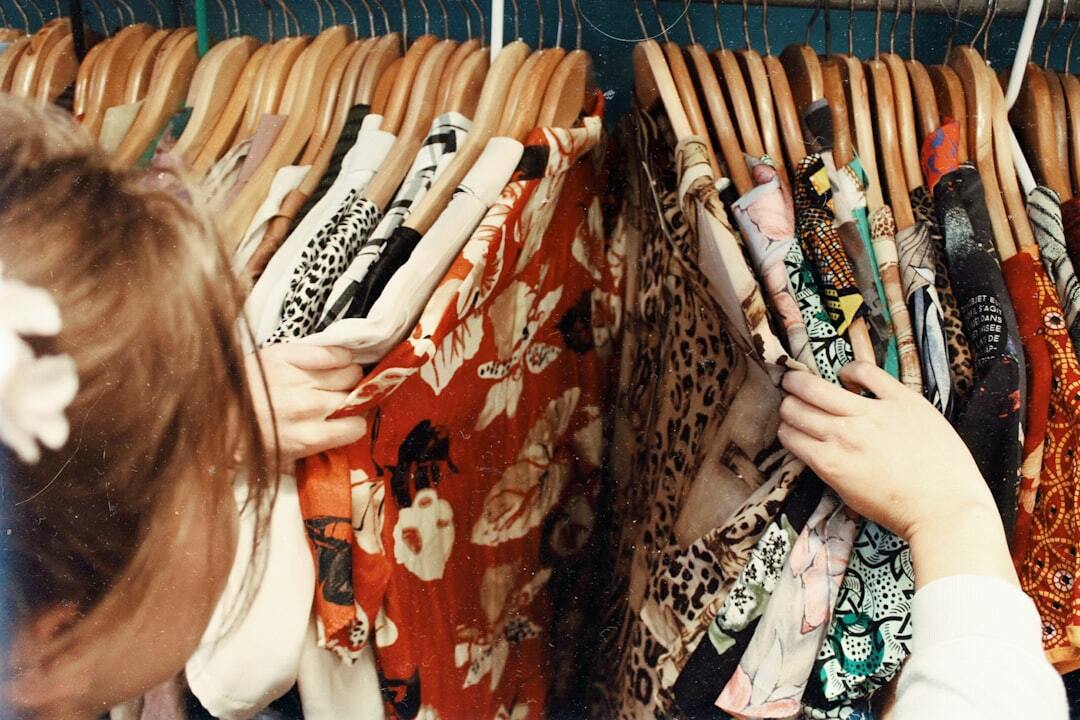
Embracing sustainable fashion needn’t be limited to new purchases. Depop and Vinted have become major players, giving individuals an easy route to both buy and sell pre-loved fashion, helping to extend the life cycle of quality clothing and make affordable style more sustainable. Oxfam Online offers a curated collection of second-hand clothes at accessible prices, an effective way to reduce landfill waste while supporting charitable work. For in-person browsing, many UK towns now boast dedicated second-hand or vintage shops, adding local flavour to the circular fashion movement.
Navigating Greenwashing and Making Informed Choices
With the term ‘sustainable’ becoming a buzzword, discerning genuine efforts from greenwashing is increasingly important. Transparent brands openly share verifiable details of their sourcing, manufacturing, and certification, a sign of true accountability. Look for independent verification, such as B Corp status, GOTS organic certification, or Fairtrade accreditation. Many sustainable brands now publish detailed impact reports or supply chain maps. Ultimately, the most sustainable wardrobe also makes use of what you already own, investing carefully in additions based on durability, repairability, and the real need for new items.