
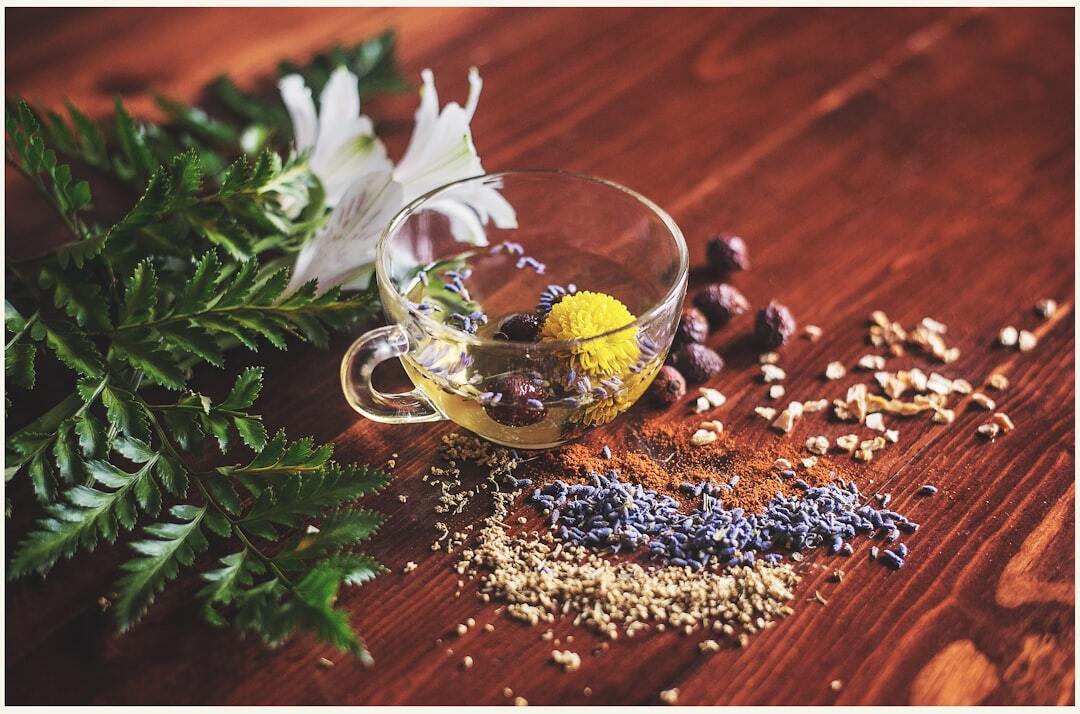
Savouring a cup of herbal tea is more than a comforting daily ritual, it is also a wellness practice deeply rooted in global traditions. Whether reaching for chamomile before bed or ginger to ease digestion, choosing to incorporate more herbal teas can deliver meaningful benefits for both mind and body, suited to a variety of health needs and preferences.
A Timeless Tradition for Wellness
Herbal tea, or tisane, is drawn from a diverse range of plants, flowers, spices, and fruits, rather than the tea plant. Its preparation in ancient cultures, including Egyptian and Chinese civilisations, was valued for both medicinal and everyday use. Today, herbal teas are appreciated globally for their natural flavours and the holistic benefits they offer, with each blend carrying properties distinct from black or green tea due to the absence of caffeine and the inclusion of unique botanical compounds.
How Herbal Teas Support Overall Health
The regular enjoyment of herbal teas can contribute to daily routine wellbeing through several mechanisms. Many herbal blends are naturally rich in antioxidants, plant compounds that help to counteract oxidative stress and support a healthy immune system. In addition, specific herbs like ginger and peppermint are commonly linked with digestive support, while blends such as chamomile and lavender are favoured for promoting relaxation and stress management. Some tisanes may also support cardiovascular wellness and emotional balance, making them a beneficial choice for a range of wellness objectives.
Exploring Individual Herbal Teas and Their Benefits
Chamomile tea is celebrated for its capacity to support relaxation and improve sleep quality, making it a popular evening choice. Peppermint tea is renowned for its cooling, soothing effect and can help calm digestive discomfort. Ginger tea stands out for its warming quality and is frequently used to address nausea or indigestion. Rooibos, native to South Africa, contains a unique antioxidant profile and is prized for being naturally caffeine-free, making it suitable for both day and night. Hibiscus tea offers a tart, cranberry-like flavour and is rich in vitamin C and antioxidants, supporting immune health. Each herbal tea provides a distinctive flavour and wellness proposition, allowing for a selection that suits different moods and times of day.
Choosing the Right Herbal Tea for Your Needs
With a broad range of herbal blends available, selection comes down to taste preferences and specific wellness goals. For relaxation or sleep, chamomile and lavender are commonly recommended. To aid digestion, look for teas containing ginger, fennel, or peppermint. Blends with echinacea or hibiscus may support immune health, while liquorice and rooibos offer naturally sweet or smooth profiles that can replace sugary soft drinks. It may be helpful to start by considering the primary benefit you seek and then sampling single-ingredient or blended teas to find what works best for your routine.
Incorporating Herbal Teas Into Your Daily Routine
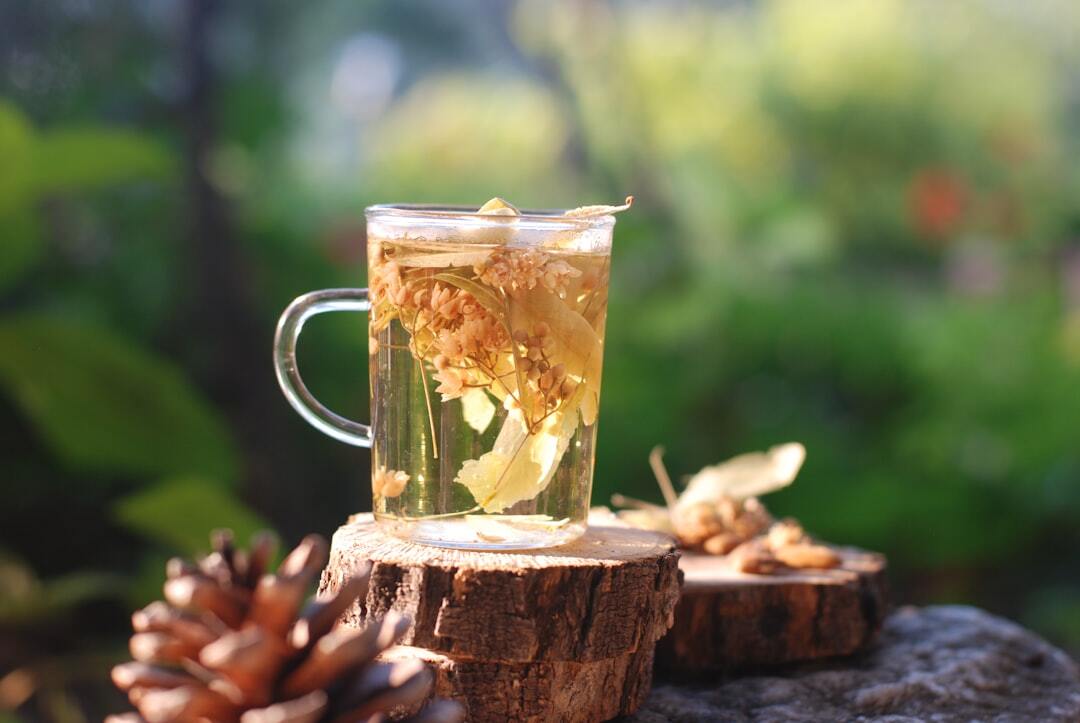
Making herbal tea part of your day can begin with a simple cup at breakfast or winding down with a calming blend in the evening. Many herbal teas are naturally caffeine-free, letting you sip at any time without disturbing sleep. For variety, explore loose-leaf and bagged forms, try different steeping times, or experiment with adding fresh lemon, honey, or a sprig of mint. Keeping a selection of favourite blends at home allows a quick, healthy option to support hydration and wellness throughout your day.
A Note on Quality and Preparation
Quality can make a significant difference in both flavour and potency. Where possible, select teas with whole herbs or flowers and avoid excessive additives or artificial flavours. For those interested in personalising blends, preparing herbal teas at home with dried or fresh ingredients is both simple and satisfying. Ensure you follow preparation instructions, as some herbs require longer steeping or different water temperatures for optimal benefit and taste.
Plans By Categories
Exploring herbal teas by category can make it easier to align your choices with specific needs: sleep support (chamomile, lavender), digestive ease (ginger, fennel, peppermint), antioxidant boost (hibiscus, rooibos), immune support (echinacea, elderberry), and stress relief (lemon balm, tulsi). Checking ingredient lists and sample packs can be a helpful way to discover new favourites and build a routine around what supports your lifestyle best.
Disclaimer:
While most herbal teas are safe for general consumption and suitable for a broad audience, certain herbs may interact with medications or be unsuitable during pregnancy or specific medical conditions. Always consult a healthcare professional if you have concerns, especially if you are taking medication, planning pregnancy, or managing chronic health issues.
Share or comment on this article:
We welcome readers to share their favourite blends, daily rituals, and tips for enjoying herbal teas in the comments below. Your insights and experiences may inspire others to discover new ways to incorporate these wellness-supporting brews into everyday life.