

As the weather begins to cool and the days grow shorter, there’s no need to overhaul your whole wardrobe. The secret to effortless dressing for unpredictable, in-between weather is working with what you already own, just a few key updates can make your favourite pieces last across the seasons.
Strategic layering, thoughtful fabric choices and subtle tonal shifts let you adapt outfits for breezier mornings and brisk evenings, while keeping things elegant and far from boring. Here’s how to make the move into cooler days feel seamless, practical, and refreshingly creative.
Build Layers, Not Entirely New Outfits
The simplest and most effective way to bridge two seasons is to focus on layering separately rather than swapping out entire outfits at once. Rather than boxing up all summer clothes or diving straight into deep winter wear, keep lightweight knits, versatile shirts, and soft jackets close to hand. A classic cardigan, light merino crew, or cropped trench can be slipped over a dress or tee for morning chills and then easily removed if the day warms up. Layering allows you to adjust in real time for those unpredictable days that never seem to fit the calendar, helping your wardrobe do double duty and extending the life of your favourite pieces.
Choose Transitional Fabrics and Versatile Cuts
Fabrics that breathe and insulate at the same time are your best assets for transitional dressing. Lightweight knits, cotton blends and mid-weight denim have the flexibility to handle temperature swings far better than anything strictly for summer or winter. Look for wide-leg jeans and relaxed, straight-leg trousers in cotton-twill or soft denim, which can be paired with boots, flats or trainers depending on the forecast. Midi skirts in heavier jerseys or pleated poly blends layer comfortably with tights and boots. A well-cut blazer in a cotton blend or unlined wool instantly transforms an outfit from casual to polished, while still being light enough for unexpected sun.
Keep Transitional ‘Workhorses’ in Easy Reach
A handful of well-chosen pieces do most of the heavy lifting when the season changes. These transitional ‘workhorses’ include a lightweight knit (crewneck or roll neck), a classic denim shirt, an oversized blazer or short trench, mid-weight wide-leg jeans, midi skirts, and ankle boots. Utility jackets and shackets are also practical, as they layer well and add a slight military edge that always looks modern. Rather than tidying away all summer or winter pieces at once, keep these mid-weight options accessible, they’re the ones you’ll reach for again and again on unpredictable days.
Adjust Your Colour Palette and Accessories Gradually
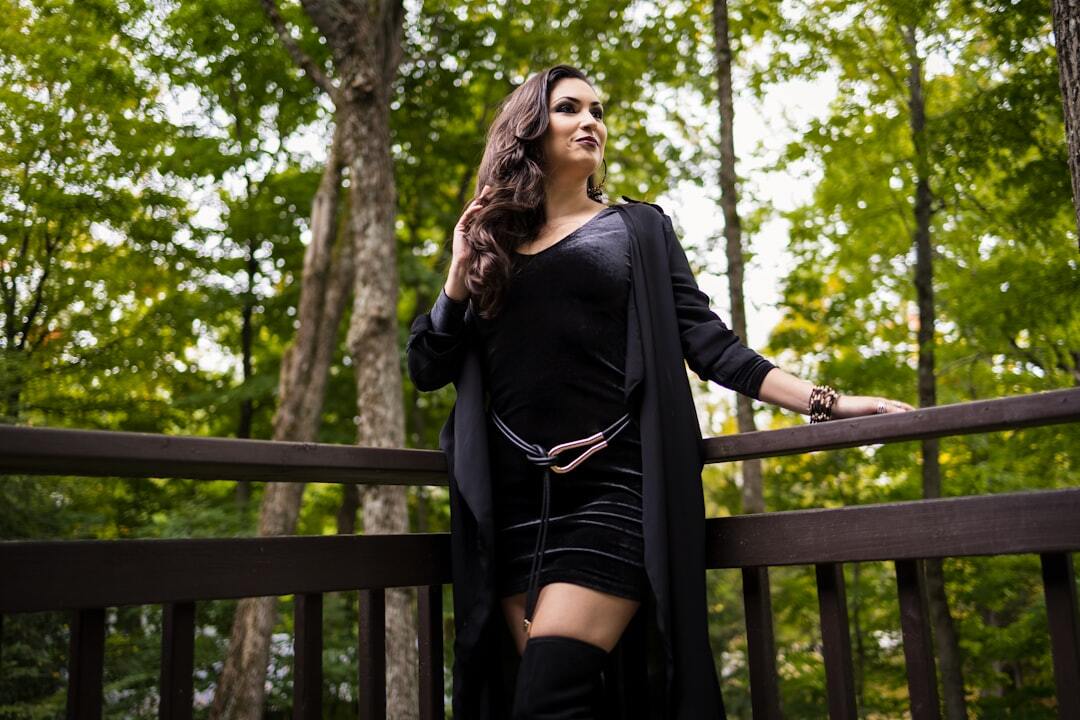
Just as fabric choices shift with the season, let your wardrobe’s colour palette evolve rather than jumping abruptly from brights to deep hues. Move gradually from light, sun-bleached tones to muted neutrals and richer autumnal shades, think khaki, caramel, olive, and burgundy. Accessories are the quickest and most affordable way to refresh your provisional outfits: introduce heavier belts, leather bags, or scarves in new seasonal tones. Layer in a chunky jewellery piece or swap a straw tote for a structured leather handbag. This method allows you to echo the mood of the new season without the need for an entire shopping spree.
Edit, Store and Care for Off-Season Pieces
Every wardrobe transition is a chance to review what you’re actually wearing. As you gradually rotate out your lightest summer items, check all pieces for wear, clean them thoroughly and store away only what you know you’ll return to next year, stains or odours can set in over months and attract pests. Rather than bottling everything into under-bed boxes immediately, keep a small, easily accessible section for pieces that work across both seasons (for example, a light knit that’s still needed for cool evenings). The wardrobes that adapt most smoothly aren’t the largest, they’re the best-edited, built around flexible mid-weight layers.
Transitional Footwear and Outerwear: Make Your Move
Footwear choices shift at the edge of summer and autumn. As sandals are put aside, reach for loafers, trainers or ankle boots in robust but breathable materials. Knee-high boots can look striking with lighter skirts or layered under wide-leg trousers. For outerwear, denim jackets, cropped trenches, or suede shackets are favourites for just enough protection against the chill. Mixing textures, leather boots with a denim skirt, or a cotton trench with wool trousers, adds interest and comfort, making the transition away from single-season pieces feel considered and contemporary.
Style Trends for the Season of Change
Transitional periods are prime time for testing out emerging trends without committing to a whole new wardrobe. Wide-leg jeans and midi skirts are especially versatile, and this season, utility hallmarks like patch pockets and cargo-inspired shapes are everywhere. Statement collars and strong-shoulder blazers add structure and a fashion-forward note to easy basics, while layering lace under heavier knits or denim keeps outfits feeling light without sacrificing warmth. Watching how tone and texture interact within your layers often delivers the most on-trend results with almost no effort.
Stay Flexible: Mix, Match and Rethink
The ultimate smooth transition is about flexibility, be ready to trial fresh combinations. Layer a light jumper over a summer blouse, style a floral dress with thick tights and a blazer, and pair midi skirts with chelsea boots for a look that’s ready for changeable weather. Days that flip between sun and rain call for a wardrobe that mixes adaptability with style, ensuring you’re comfortable, confident and never caught out. Each new season offers a gentle prompt to try unexpected layers and colour mixes, use it to make your existing essentials feel new.