
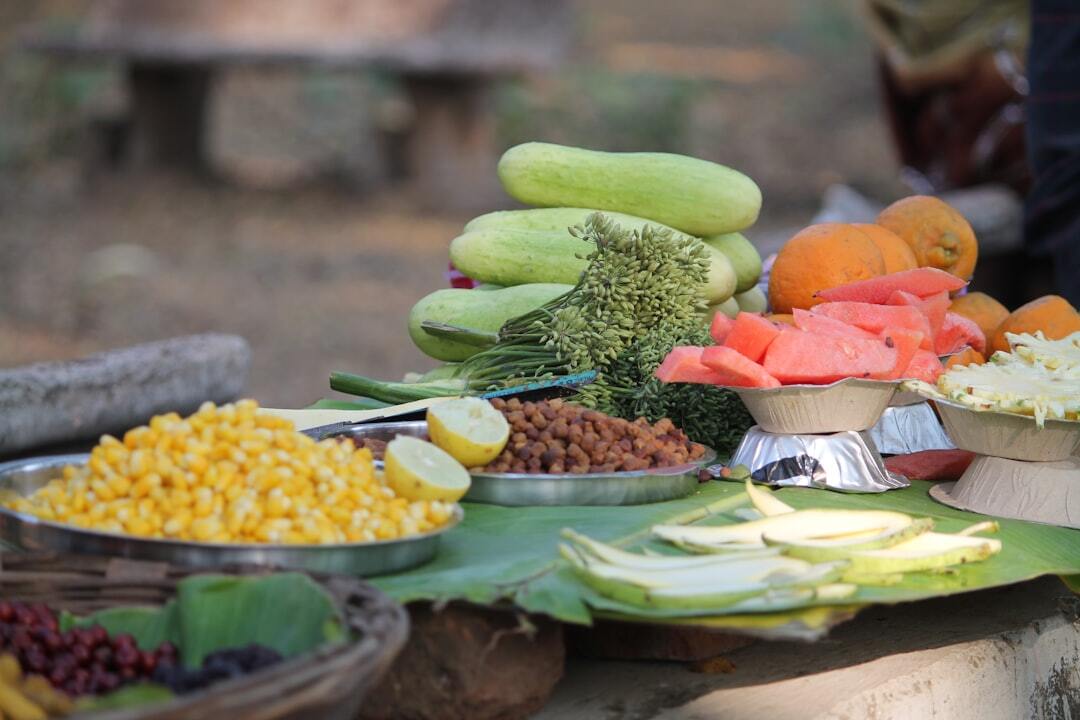
Autumn brings with it a sense of quiet richness, where fields and gardens overflow with warmth and colour. As the leaves change, so too does our approach to cooking, a time to honour the season’s bounty with recipes that showcase honest, rustic flavours and traditional techniques.
Bringing the harvest to your table is not just about making a meal; it’s about celebrating an age-old connection to the land. Using fresh, local ingredients at their peak brings depth and satisfaction to familiar dishes, inviting friends and family to gather and savour the simple pleasures of the season.
The Heritage of Harvest Cooking
Harvest recipes trace their roots to agrarian communities, where the success of the season’s crops shaped daily diets and festive traditions alike. These dishes grew from necessity, relying on what was freshly gathered and readily available. They emphasised heartiness, nourishment, and the celebration of abundance after months of labour in the fields. Incorporating produce such as root vegetables, squashes, apples, and brassicas, harvest meals gave thanks for the earth’s yield and provided comfort as nights grew cooler. Today, recreating these time-honoured recipes links us to centuries of rural culinary heritage and reminds us to appreciate the rhythms of the land.
Selecting and Preparing the Best of the Season
At the heart of every authentic harvest dish are fresh, high-quality ingredients. Choosing locally sourced, in-season vegetables is key for both flavour and nutrition. Look for firm root vegetables, vibrant leafy greens, ripe squashes, and crisp apples, as these are staples of autumn. Prepping your ingredients efficiently brings tradition and practicality together: begin by gathering all your ingredients on a clean workspace, then chop vegetables evenly to promote uniform cooking and texture. This not only enhances presentation but assures every bite is balanced and rich. Washing, peeling, and cutting should be done just before cooking to preserve moisture and nutrients.
Essential Tools and Rustic Techniques
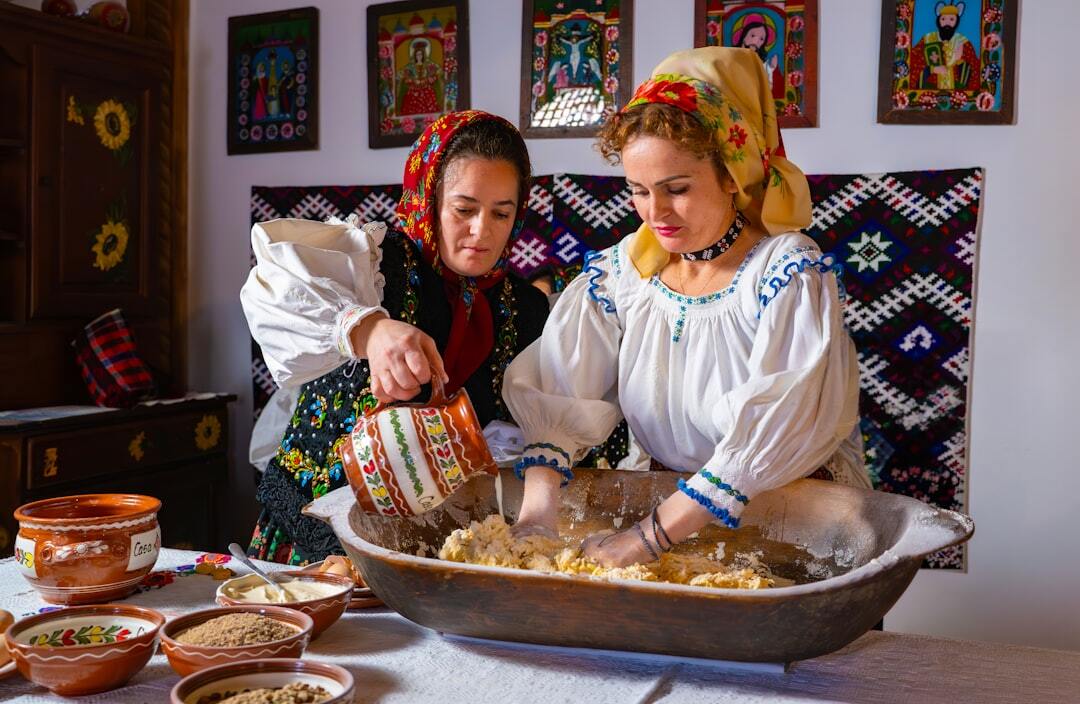
Traditional harvest recipes often rely on robust, simple cookware. A cast iron skillet, for example, is widely regarded for its ability to retain and evenly distribute heat, resulting in a perfectly golden crust and deepened flavour during baking. Mixing bowls, a sharp knife for slicing those root vegetables, and a sturdy wooden spoon further align your kitchen with rustic tradition. Many recipes call for making dough or pastry by hand, rolling it out on a floured surface to about 1/4 inch thick for the perfect base. Preheating your oven to 375°F (190°C) is a commonly recommended step before assembling and baking dishes, guaranteeing optimal texture and cooking throughout.
A Step-By-Step Guide to a Classic Harvest Bake
Combine the cultural and practical wisdom of harvest cuisine with this approach to a traditional vegetable bake: In a large mixing bowl, blend flour and salt to make your pastry. In a separate bowl, toss chopped, evenly-cut seasonal vegetables with olive oil, a little black pepper, fresh herbs, and some sharp cheese for added body. Roll your dough to the right thickness, then pile the filling into your preheated cast iron skillet. After assembling, place the dish into your oven, baking for 30, 35 minutes at 375°F (190°C) until the crust is golden and the vegetables tender. Allow it to rest for 10 minutes before slicing into wedges for serving. This ensures the filling sets and the flavours meld beautifully.
Troubleshooting and Perfecting Your Rustic Bake
Common challenges like a crust that turns out too soft can often be traced to underbaking or excess moisture in the filling. To avoid this, make sure not to crowd the vegetables or overdo liquids in the mix. Ensuring your oven is properly preheated and baking for the full 30, 35 minutes will promote crispness and proper browning. Allowing the bake to cool slightly after removing from the oven makes slicing easier and helps everything hold together. Whenever possible, slice with a sharp knife for clean wedges and attractive presentation. Remember, each dish is unique to its ingredients and can be adjusted according to the day’s harvest.
Celebrating with Harvest Dishes: More than a Meal
The ritual of preparing and sharing harvest dishes goes beyond nutrition and flavour. It offers a chance to slow down, acknowledge hard work, and gather loved ones around the table for food that tells a story. Including everyone in the process, whether picking apples, chopping vegetables, or mixing dough, is as much a part of the tradition as the taste itself. The act of eating with the seasons teaches respect for the land and a deeper appreciation for what it provides. Whether you are hosting a small family supper or a larger harvest gathering, serving genuine, rustic food creates lasting memories and a sense of continuity with those who cooked before us.