
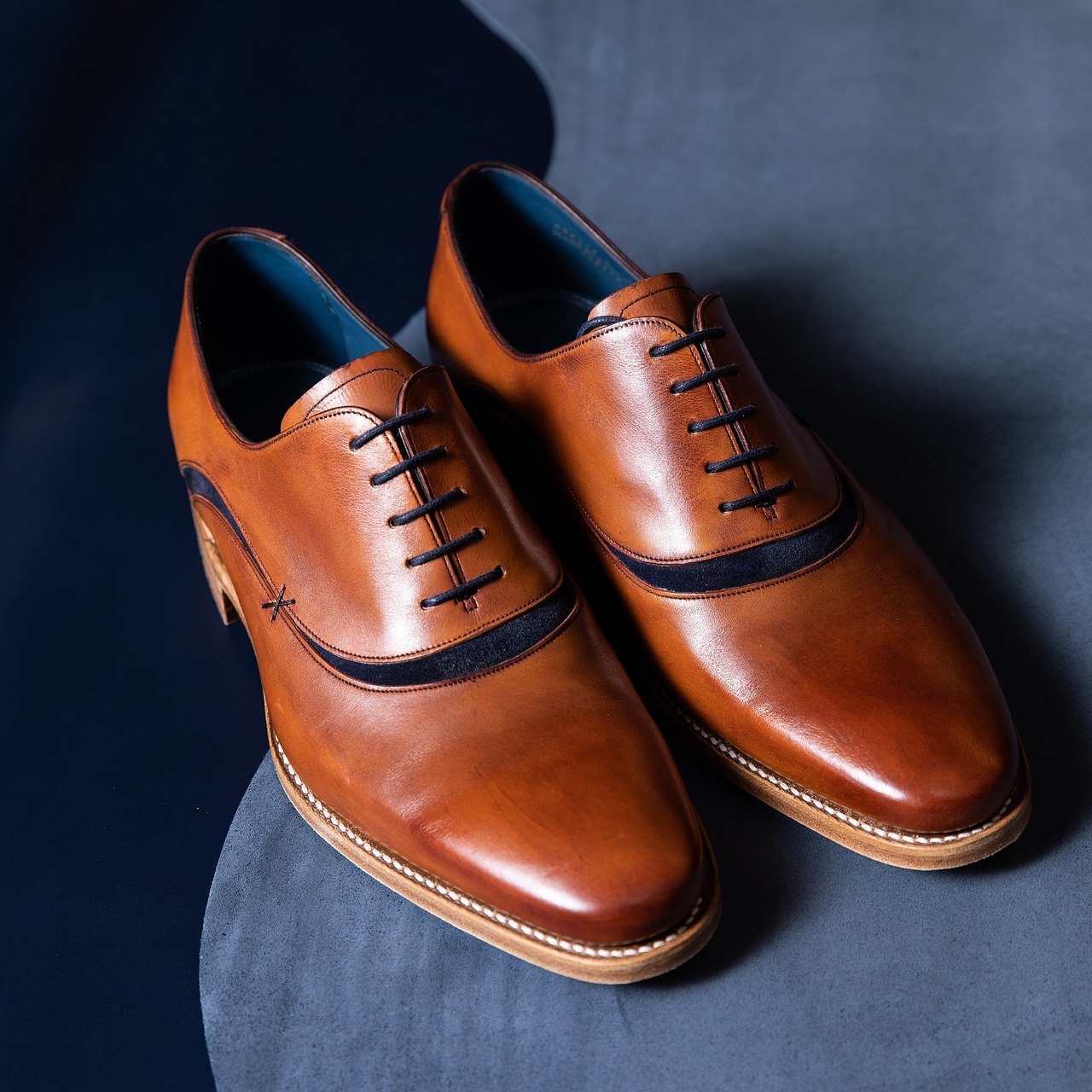
With so many leather products vying for attention, knowing how to identify genuine quality is more useful than ever. Discerning craftsmanship in leather goods goes far beyond brand names or price tags, it’s about understanding what truly separates excellence from mediocrity.
Whether you’re investing in a wallet, belt, bag or jacket, recognising the hallmarks of skilled work, robust materials, and considered design ensures your purchase will last, age well, and deliver enduring value.
Start With the Leather Itself
The heart of any leather product lies in the quality of the hide. Most shoppers rely on a visual inspection, but genuine quality runs far deeper. Full-grain leather, considered the gold standard, retains the hide’s strongest outer surface and natural grain patterns, resulting in greater durability and unique character. Top-grain leather is slightly sanded and corrected, sacrificing some resilience for a smoother look. Labels like ‘genuine leather’ often refer to lower-grade, composite materials with weaker structure. Density and fibre structure matter: high-quality hides feel substantial, are resistant to stretching or tearing, and show natural variations rather than perfect uniformity. Refined grain indicates minimal correction and strong surface fibres, a key visual marker of excellence.
Inspect Construction and Structure
Once you have assessed the leather itself, examine how the item is constructed. Quality leather goods feel weighty without unnecessary bulk, a sign of thoughtful material balance. Look for details such as robust seams, neat structural lines, and carefully shaped panels. High-quality leather will maintain its shape over time rather than easily slumping or warping. Ask yourself: does the bag stand upright and retain its form when empty, or does it appear floppy from the outset? Construction techniques, especially hand-stitched or saddle-stitched seams, provide both durability and evidence of craftsmanship. The combination of superior hide and expert assembly is what ensures longevity.
Examine the Stitching
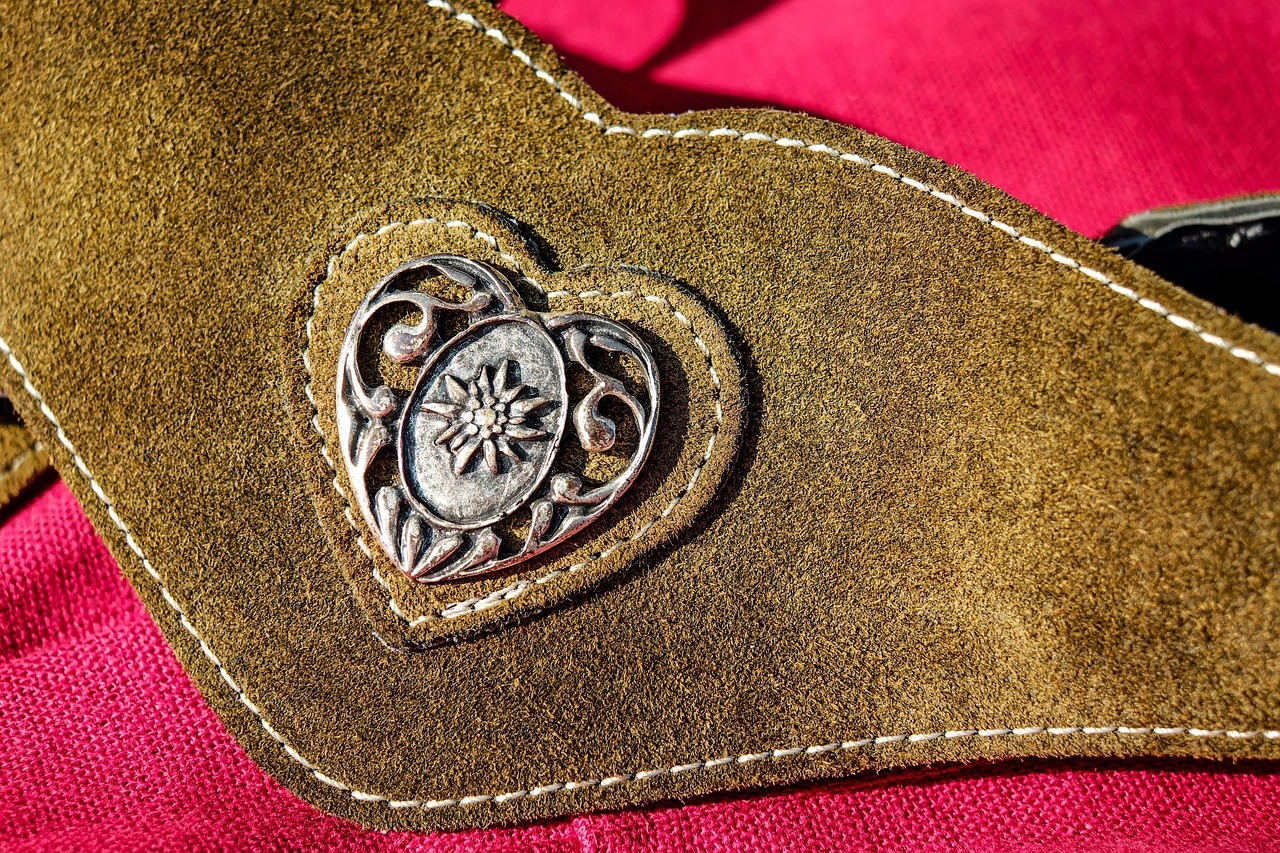
Stitching is among the easiest and most revealing signs of skilled workmanship. On high-quality leather goods, stitches are even, tight, and consistently spaced, following the lines of the piece with precision. Uneven or fraying threads, loose ends, or skipped stitches quickly indicate cost-cutting or rushed production. Hand-stitching is generally a positive mark, especially for stress points, but careful machine stitching can also produce excellent results if performed well. Double-check the stitching at handles, pockets, and edges, as these are frequent stress zones. Sturdy thread, typically polyester or waxed linen, is chosen to match the endurance of the leather.
Look Closely at Edges and Finishing
Finishing work along the edges is often a hallmark of refined craftsmanship. Quality edges are never left raw; instead, they may be burnished, painted, or carefully folded (turned edges). Burnished edges are smoothed and polished for a subtle shine. Painted edges use a special sealant to close the fibres and prevent moisture intrusion. Turned edges offer hidden seams for a sleek and timeless look. Unfinished, rough, or fraying edges tend to crack and degrade with use. A truly premium item will show careful attention here, enhancing both its appearance and lifespan.
Hardware and Internal Details: Small Parts, Big Impact
In assessing quality, hardware matters as much as the leather. Zips, snaps, buckles and clasps should be made from robust materials like solid brass or stainless steel, never lightweight metals or plastic substitutes. They should operate smoothly, without catching or excessive stiffness. The interior often reveals more than the exterior: well-made products line the inside with quality leather or durable fabric, not thin sheeting or synthetic materials. Edges inside are finished as carefully as those outside, avoiding loose fabric or exposed glue. These details signal investment in longevity rather than shortcuts.
Assess by Feel and Scent
True quality can be confirmed by your senses. Run your hand across the surface: premium leather feels firm yet flexible, never plasticky, coarse, or floppy. It should warm quickly and yield slightly to pressure. Inhaling deeply, you’ll note a rich, earthy, organic scent, a sign of honest tanning and natural material, not the chemical odour of low-grade or faux leather. Well-crafted leather goods feel substantial to hold, offering a confident tactile experience without excessive weight. Over time, quality leather will develop a patina, exposing new hues and subtle sheen, rather than flaking or deteriorating.
Common Red Flags and Pitfalls
Watch for smooth, uniform surfaces without visible pore structure, this can indicate heavy correction, paint, or synthetic overlays. Cheaply bonded leather, made from leftover hide fibres glued into sheets, lacks strength and peels easily. ‘Genuine leather’ labels may legally describe any real hide, but rarely signify quality. Other warning signs include hard or shiny finishes (from heavy coatings), poor-quality hardware, loose lining, or excessive visible glue. If a product lacks information about leather grade, hide origin, or construction method, be sceptical.

Final Thoughts: Lasting Value Through Attention to Detail
Discerning the difference between high and low-quality leather goods is about training your eye to observe the details. From the foundation of a carefully chosen hide through deliberate construction, skilled stitching, and subtle finishing touches, true craftsmanship is apparent at every stage. Well-made leather products reward the buyer not only with longevity but also with a unique ability to improve with age. By investing in real quality and knowing how to spot it, you bring enduring value and authenticity into everyday life.
Frequently Asked Questions
Q: What leather grade should I look for in a quality product?
A: Full-grain leather is most prized for strength and natural beauty; top-grain is good if you want a more uniform appearance with slightly less durability.
Q: Does high price always mean high quality?
A: Not necessarily. Focus on material, construction, and details, premium branding and price tags don’t guarantee superior leather.
Q: Can I test leather quality in store?
A: Yes. Visually inspect the grain, smell the leather, and run your hands across it. Check stitching, edges, and hardware up close before deciding.
Q: How will a high-quality leather product age?
A: It should soften, reveal subtle colour changes, and develop a rich patina with use, improving, rather than degrading, over the years.