
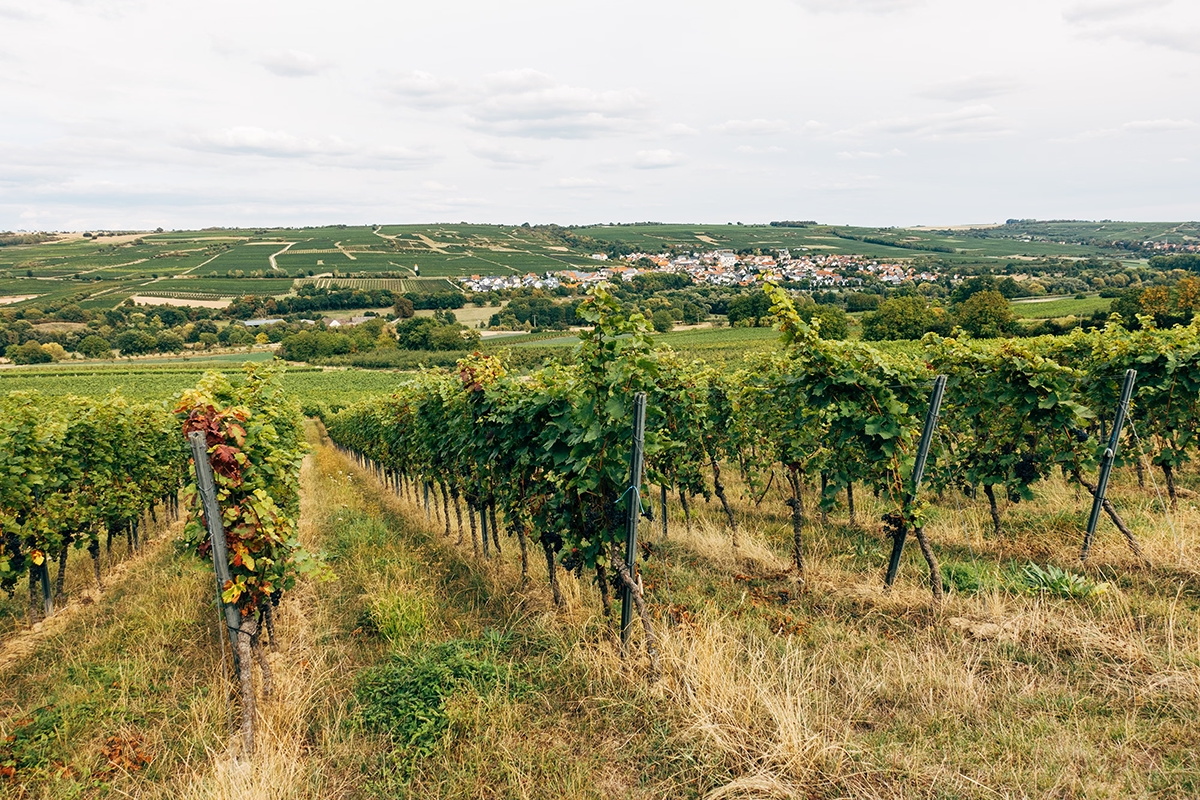
There was a time when English wine was regarded as something of a curiosity. Today, vineyards across Kent are producing award-winning still and sparkling wines, attracting international investment and turning parts of the county into destinations for wine lovers in their own right.
From long-established family vineyards to ambitious estates with striking modern wineries, Kent’s wine scene has developed quickly. Visitors can walk among the vines, meet winemakers, join guided tastings, linger over lunch overlooking the countryside and discover wines produced only a few miles from where they are being poured.
The arrival of new estates has added further momentum, but Kent also has decades of winemaking history behind it. Together, these old and new producers are helping establish the Garden of England as one of the most interesting places to experience English wine.
Why Kent Has Become One of England’s Most Exciting Wine Regions
Kent’s success as a wine-producing county is not simply the result of a few vineyards appearing at the right moment. Geography, climate, soil and generations of agricultural experience have all played a part in creating conditions in which vines can thrive.
Today the county is home to both internationally recognised wine estates and smaller independent producers, with vineyards spread from the North Downs and Canterbury countryside to the Weald, Tenterden, Appledore and the slopes approaching the Channel coast.
Climate, Chalk Soils and the Kent Countryside
Much of the attention surrounding Kentish wine centres on its growing conditions. Parts of the county have chalk and limestone-rich soils, while south-facing slopes, relatively low rainfall and an increasingly favourable climate provide conditions suited to the production of quality grapes.
Chardonnay, Pinot Noir and Pinot Meunier have become particularly important. These are the three classic varieties traditionally associated with Champagne and they now form the foundation of many of Kent’s best-known English sparkling wines.
The similarities have not gone unnoticed internationally. Domaine Evremond, established by Champagne house Taittinger in Kent, has developed its vineyard, winery and cellar door close to Chilham, reinforcing the growing international confidence in the county as a serious wine-producing region.
From the Garden of England to English Wine Country
Kent has long been known as the Garden of England, a reputation built around orchards, hops, soft fruit and fertile agricultural land. Vineyards are increasingly becoming part of that identity.
Wine fits naturally into the county’s wider food and drink culture. A vineyard visit can now sit comfortably alongside farm shops, country pubs, restaurants, breweries and producers selling Kentish cheese, cider, fruit and other local produce.
That combination is important. Kent is not simply producing wine to be shipped elsewhere; many estates are creating places where visitors can spend an afternoon or an entire day discovering the landscape and the people behind what is in the bottle.
Why Kent’s Vineyards Are Attracting So Much Attention
The growth of English wine has been accompanied by a noticeable change in perception. Rather than trying to imitate established European regions, leading Kent vineyards are increasingly developing their own identities, wines and visitor experiences.
Some estates focus heavily on traditional-method sparkling wine, while others are producing rosé, Chardonnay, Pinot Noir and a growing selection of still whites and reds. The result is a more varied wine scene than many first-time visitors might expect.
The Growing Reputation of English Sparkling Wine
English sparkling wine remains one of the biggest reasons Kent has attracted attention. The combination of traditional grape varieties and the classic method of secondary fermentation in the bottle has enabled producers across the county to create increasingly sophisticated sparkling wines.
Estates including Chapel Down, Gusbourne, Balfour, Simpsons and Squerryes have helped put Kentish wine in front of a much wider audience, while newer names continue to expand the choice available.
Visit Kent now actively promotes the county as English wine country, highlighting vineyards as attractions in their own right rather than simply places where wine is produced.
A New Generation of Vineyard Experiences
Wine tourism has grown alongside wine production. A modern Kent vineyard might offer guided vineyard walks, winery tours, tutored tastings, wine flights, food pairings, seasonal lunches, picnics, masterclasses and events.
There is also considerable variety. Visitors looking for an informal afternoon can stop for a glass of wine at some cellar doors, while those wanting to understand the winemaking process can book experiences lasting several hours.
This has helped make vineyards accessible to a much broader audience. You do not need extensive wine knowledge to visit one. In many cases, discovering what you like is part of the experience.
Vineyards and Wineries to Discover Across Kent
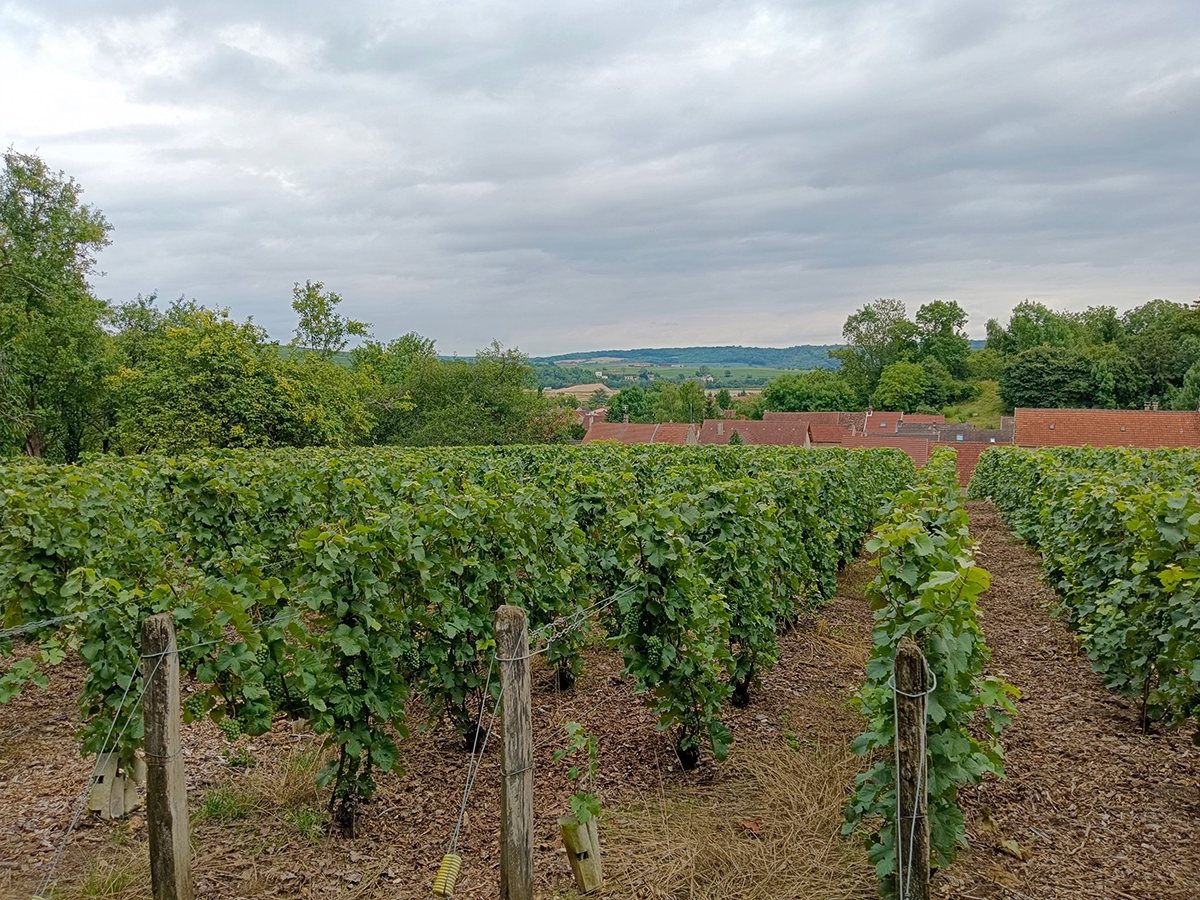
There are now vineyards across much of the county, ranging from some of England’s largest and most recognised producers to small family-run estates. These are among the names that have played an important role in Kent’s growing wine reputation.
Chapel Down, Tenterden
Chapel Down is one of the names most closely associated with the modern English wine industry. Its winery sits at Small Hythe near Tenterden, surrounded by the landscape of the Kentish Weald.
Visitors can book guided vineyard and winery tours followed by tutored tastings, or explore the vineyard on a self-guided walk. There is also a tasting bar, winery shop and opportunities to combine wine with food, making it one of Kent’s most developed vineyard destinations.
Its scale and reputation make Chapel Down a useful starting point for anyone discovering English wine for the first time, while its range demonstrates how far the industry has moved beyond sparkling wine alone.
Biddenden Vineyards, Biddenden
Biddenden provides an important link between Kent’s modern wine boom and its earlier history. The Barnes family established the vineyard in 1969 after deciding to diversify part of their apple farm, making it Kent’s original commercial vineyard.
Beginning with just a third of an acre, the vineyard has grown to around 23 acres of south-facing slopes. Twelve grape varieties are now grown there, producing white, rosé, red and sparkling wines. The estate remains in family ownership and is managed by the second and third generations of the Barnes family.
It is a particularly interesting stop for visitors who want to understand that Kentish wine existed long before the industry’s recent surge in popularity.
Gusbourne, Appledore
Set in countryside near Appledore, Gusbourne has developed a reputation for premium English wines and a polished visitor experience centred around The Nest, its cellar door and tasting space.
Visitors can choose anything from a relaxed sparkling wine flight to a guided vineyard tour, extended tasting or estate experience with lunch. The vineyard also uses its Kent setting effectively, with tasting spaces overlooking the surrounding estate.
For those particularly interested in how English wine is positioning itself at the premium end of the market, Gusbourne is one of Kent’s most interesting estates to explore.
Balfour Winery, Staplehurst
Balfour Winery sits within the extensive Hush Heath Estate near Staplehurst, where vineyards are surrounded by apple orchards, wildflower meadows and ancient woodland.
That landscape is an important part of the visitor experience. Guests can take expert-led tours through the estate and finish with tutored tastings of still and sparkling wines. Free self-guided walks are also available for visitors who would rather explore at their own pace.
Balfour is particularly well suited to those wanting to combine wine with a longer countryside visit rather than simply attending a tasting session.
Simpsons Wine Estate, Barham
Near Barham in the North Downs, Simpsons Wine Estate is another of the producers that has contributed to Kent’s growing reputation for high-quality still and sparkling wines.
The estate offers tasting experiences from its Glass House tasting room, overlooking the winery, giving visitors an opportunity to learn more about the wines and the story behind the estate. Booking is generally required for its organised experiences.
Its location also demonstrates how significant the chalk landscape of east Kent has become to the county’s developing wine industry.
Squerryes, Westerham
At the western edge of Kent, Squerryes brings together wine, food and the history of a long-established country estate near Westerham.
Its presence helps demonstrate that Kent’s wine map extends well beyond the better-known clusters around Tenterden and Ashford. The estate has become one of the established names in the Wine Garden of England and offers another option for visitors travelling from London into west Kent.
Westwell Wine Estate, Charing
Westwell is based near Charing at the foot of the North Downs and represents another side of modern English wine: smaller-scale, individual and strongly connected to its surrounding landscape.
The estate forms part of the wider collection of producers promoted through the Wine Garden of England and adds further variety to the vineyards accessible around Ashford and the Kent Downs.
Domaine Evremond, Chilham
Few developments illustrate the changing status of English wine more clearly than Domaine Evremond near Chilham.
The estate is associated with Champagne house Taittinger and now welcomes visitors to a purpose-built winery and cellar door set among its Kent vineyards. Guests can book tastings, estate tours and food-pairing experiences, while walk-in visitors can also sample its sparkling wine when capacity allows.
Its arrival has attracted considerable attention because it demonstrates that Kent is no longer viewed purely as an emerging wine region by domestic producers. Established international wine businesses now see genuine potential here too.
Terlingham Vineyard, Hawkinge
Terlingham offers a more intimate contrast to some of Kent’s larger estates. The family-run vineyard sits near Hawkinge, with elevated views towards the English Channel.
Its visitor experiences combine a walk through the vines with tastings of still and sparkling wines, creating the kind of personal vineyard visit that has become an important part of Kent’s wine tourism scene.
Its location also makes it a useful addition to a day or weekend exploring Folkestone, the coast and the eastern side of the county.
More Than Wine: The Rise of the Kent Vineyard Experience
The appeal of Kent’s vineyards increasingly extends beyond what is produced in the bottle. Estates have recognised that visitors want to understand the place, the process and the people behind the wine.
That has transformed many wineries into genuine Kent attractions.
Vineyard Tours and Guided Wine Tastings
A vineyard tour will typically introduce visitors to the grape varieties grown on the estate, the annual growing cycle and the decisions made during harvest. Winery tours can then follow the grapes through pressing, fermentation, ageing and bottling.
For sparkling wines, visitors may also learn about secondary fermentation and the additional time required before a finished bottle is ready to drink.
The tasting at the end brings everything together. Rather than simply sampling several wines, a tutored tasting can help explain why wines made only a few miles apart can have noticeably different characters.
Food, Restaurants and Dining Among the Vines
Food has become an increasingly important part of Kent’s wine tourism offering. Some estates provide tasting platters using local cheeses, charcuterie and seasonal produce, while others have developed full restaurant and dining experiences.
At Gusbourne, for example, selected experiences pair estate wines with seasonal lunches, while Balfour offers dining alongside its range of tours and tastings. Chapel Down also offers wine and food experiences at its Tenterden estate.
This connection between vineyards and local produce feels particularly appropriate in Kent, where farming and food production have shaped the landscape for generations.
Events, Experiences and Days Out at Kent Vineyards
Vineyards are also becoming seasonal destinations. Depending on the estate and time of year, visitors might find harvest events, sunset tastings, winemaker dinners, picnics, masterclasses or special English Wine Week programmes.
Some wineries have extensive year-round indoor facilities, while others are at their best during the warmer months when visitors can walk through the vines and sit outside overlooking the estate.
It means a Kent vineyard visit can work equally well as part of a weekend break, a special occasion or simply an alternative day out in the countryside.
What Wines Is Kent Becoming Known For?
Kent produces considerably more than one style of wine. Sparkling wine may have generated much of the international attention, but the range of still wines being produced continues to broaden.
English Sparkling Wine
Sparkling wine remains at the heart of the county’s reputation. Chardonnay, Pinot Noir and Pinot Meunier are widely planted and used by numerous Kent producers to create traditional-method sparkling wines.
The style can range from bright and citrus-led wines to more complex bottles that spend longer ageing before release. Rosé sparkling wines have also become an important part of many producers’ ranges.
Chardonnay, Pinot Noir and Pinot Meunier
These three varieties have become strongly associated with southern England because they can perform well in cooler climates and provide the building blocks for high-quality sparkling wine.
They are not restricted to blends. Kent producers are increasingly exploring what individual varieties can achieve as still wines too, particularly Chardonnay and Pinot Noir.
At Mereworth, for example, Chardonnay, Pinot Noir and Pinot Meunier grown in its Wateringbury vineyards are used to make English sparkling wine using the traditional bottle-fermentation process.
Kent’s Growing Range of Still Wines
Still wine is one of the most interesting areas to watch. Alongside Chardonnay and Pinot Noir, Kent vineyards grow varieties including Bacchus, Ortega and other grapes that have long been associated with English vineyards.
Biddenden is a particularly good example of this diversity, growing 12 grape varieties across its estate and producing white, rosé, red and sparkling wines rather than concentrating exclusively on one style.
As vineyards gain greater experience with individual sites and changing growing conditions, Kent’s still wines are likely to become an increasingly important part of the county’s identity.
When Is the Best Time to Visit a Vineyard in Kent?
There is no single best time to visit, although the experience changes noticeably through the year.
Late spring and summer are ideal for seeing vineyards green and full, with longer days making outdoor tastings and vineyard walks particularly appealing. Late summer into early autumn brings the approach of harvest, while autumn can offer some of the most atmospheric vineyard scenery as the leaves begin to change.
Harvest dates vary according to the vineyard, grape variety and conditions each year, so visitors should not assume that a particular weekend will coincide with picking.
Many larger Kent wineries now operate throughout the year, with indoor tasting rooms making winter visits possible too. Smaller vineyards may have more seasonal opening arrangements, so checking directly before travelling is sensible.
Planning a Kent Vineyard Tour or Wine-Tasting Day
With vineyards spread across the county, a little planning can make a substantial difference to a wine-focused day out.
One approach is to choose a particular part of Kent and explore several nearby estates rather than trying to cross the entire county. Ashford, Tenterden and the surrounding Weald provide one particularly strong concentration, while the North Downs and west Kent offer further clusters.
Do You Need to Book Vineyard Tours in Advance?
For a full vineyard tour or tutored tasting, booking in advance is usually the safest option. Some of the most popular experiences operate at fixed times and can fill quickly, particularly at weekends during spring and summer.
Policies differ between estates. Chapel Down allows visitors to drop in and explore parts of its estate independently, Balfour offers a free self-guided route, and Domaine Evremond accepts walk-ins for drinks subject to availability, although its organised tours and tastings require advance booking.
Visiting Several Kent Vineyards in One Trip
A dedicated wine weekend opens up considerably more possibilities. Staying around Ashford, Tenterden or the surrounding countryside puts several prominent estates within relatively easy reach.
Public transport is possible for some vineyards. Southeastern services connect London with Kent, while estates including Westwell and Domaine Evremond can be approached from nearby stations. Others are likely to require a taxi for the final part of the journey.
If several tastings are planned on the same day, arranging transport in advance is the obvious choice. It removes the need for a designated driver and allows everyone in the group to take part.
Why Kent’s Wine Story Is Still Only Just Beginning
Perhaps the most interesting thing about Kent’s vineyards is the sense that the county is still developing its wine identity.
Biddenden has been growing vines since 1969, giving Kent genuine winemaking heritage, while estates such as Chapel Down, Gusbourne, Balfour, Simpsons and Squerryes have helped introduce English wine to a much wider audience. New investment and the opening of Domaine Evremond show that the story continues to move forward.
At the same time, smaller vineyards continue to give the region character and variety. That combination of established producers, independent growers and international investment is creating something that feels increasingly distinctive.
For visitors, this means some of the most interesting wine experiences in England can now be found without leaving Kent. For the county itself, vineyards are becoming another defining part of the landscape and another reason why the Garden of England continues to attract attention.
Frequently Asked Questions About Kent Vineyards
What are the best vineyards to visit in Kent?
Kent has a wide selection of vineyards open to visitors, including Chapel Down near Tenterden, Gusbourne at Appledore, Balfour Winery near Staplehurst, Biddenden Vineyards, Simpsons Wine Estate, Squerryes, Domaine Evremond and a number of smaller independent producers. The best choice depends on whether you want a detailed winery tour, informal tasting, meal or countryside experience.
Which Kent vineyards offer wine tasting?
Many of Kent’s larger vineyards offer wine tastings, including Chapel Down, Gusbourne, Balfour, Biddenden, Simpsons and Domaine Evremond. Experiences range from simple wine flights to guided tastings accompanied by vineyard or winery tours.
Can you visit Kent vineyards without booking a tour?
Some can be visited without a pre-booked tour, although policies vary. Several estates have cellar doors, shops, restaurants or self-guided walking routes that can be enjoyed independently. Organised vineyard tours and tutored tastings are generally best booked in advance.
What wine is Kent famous for?
Kent is particularly well known for English sparkling wine made from Chardonnay, Pinot Noir and Pinot Meunier. The county also produces increasingly varied still wines, including Chardonnay, Pinot Noir, Bacchus, Ortega, rosé and other white and red styles.
Where are most of Kent’s vineyards located?
Vineyards can be found across Kent, although there are notable concentrations around Tenterden, Ashford, the Weald, the North Downs and parts of east and west Kent. The variety of locations means vineyard visits can easily be combined with countryside, coastal or town breaks elsewhere in the county.
Are Kent vineyards open all year?
Some of Kent’s larger wineries and cellar doors are open throughout much or all of the year, while smaller vineyards may operate seasonally or by appointment. Tours, food service and opening days can also change through the year, so it is worth checking directly with an estate before travelling.