
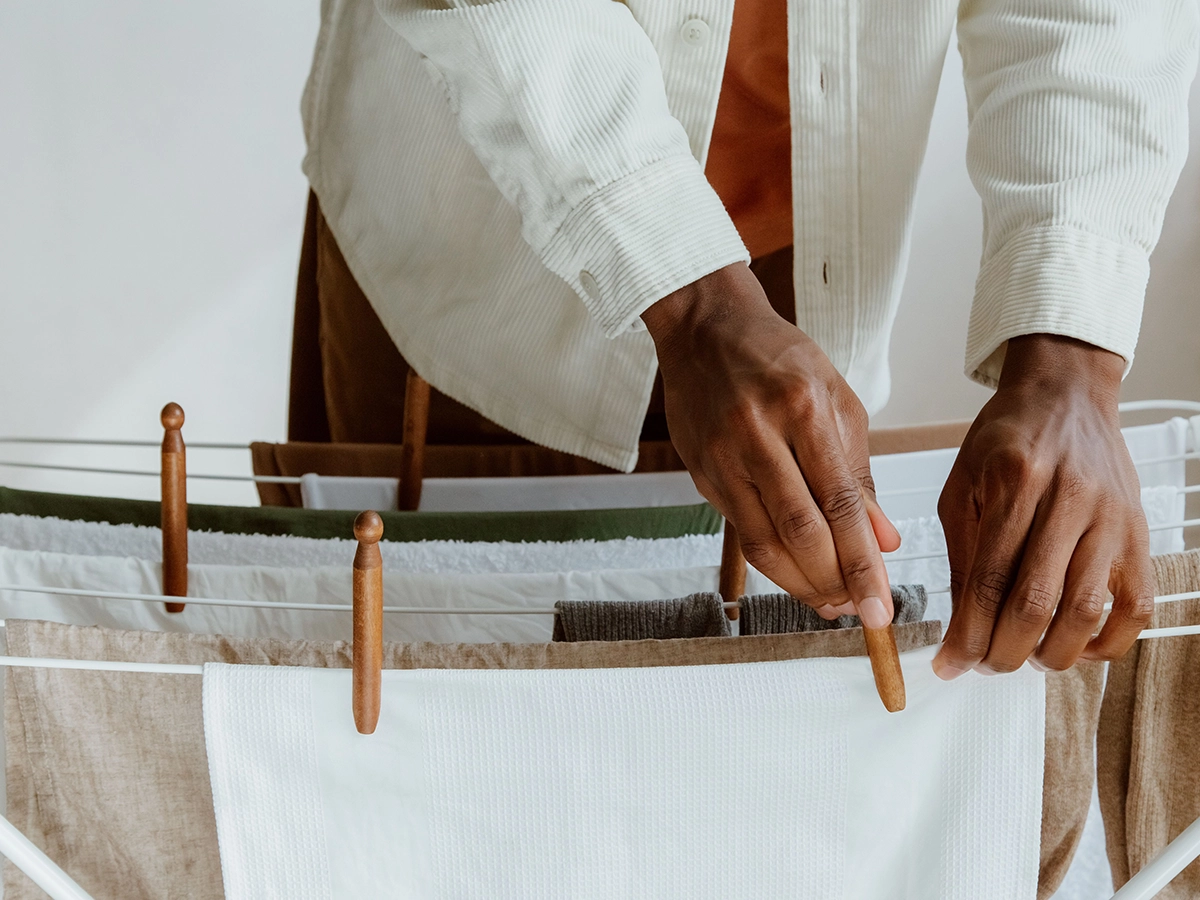
Drying clothes outside is simple enough in summer, but once autumn and winter arrive it becomes much harder to rely on a washing line. The alternative is usually an airer somewhere inside the house, and that creates a different problem: all of the water held in those wet clothes has to go somewhere.
As laundry dries, moisture evaporates into the surrounding air. If that humid air has nowhere to escape, it can eventually collect on colder windows and walls as condensation, contributing to damp patches and mould. The solution is not simply to make the clothes dry as quickly as possible. You also need to control where the moisture goes.
Fortunately, indoor drying does not have to cause a damp problem. Removing as much water as possible before hanging clothes up, giving them plenty of space and combining the drying process with either effective ventilation or a dehumidifier can make a substantial difference.
Why Can Drying Clothes Indoors Cause Damp and Condensation?
Freshly washed clothes contain a surprising amount of water, even after the washing machine has finished spinning. When you hang them indoors, that water gradually evaporates and increases the humidity in the room.
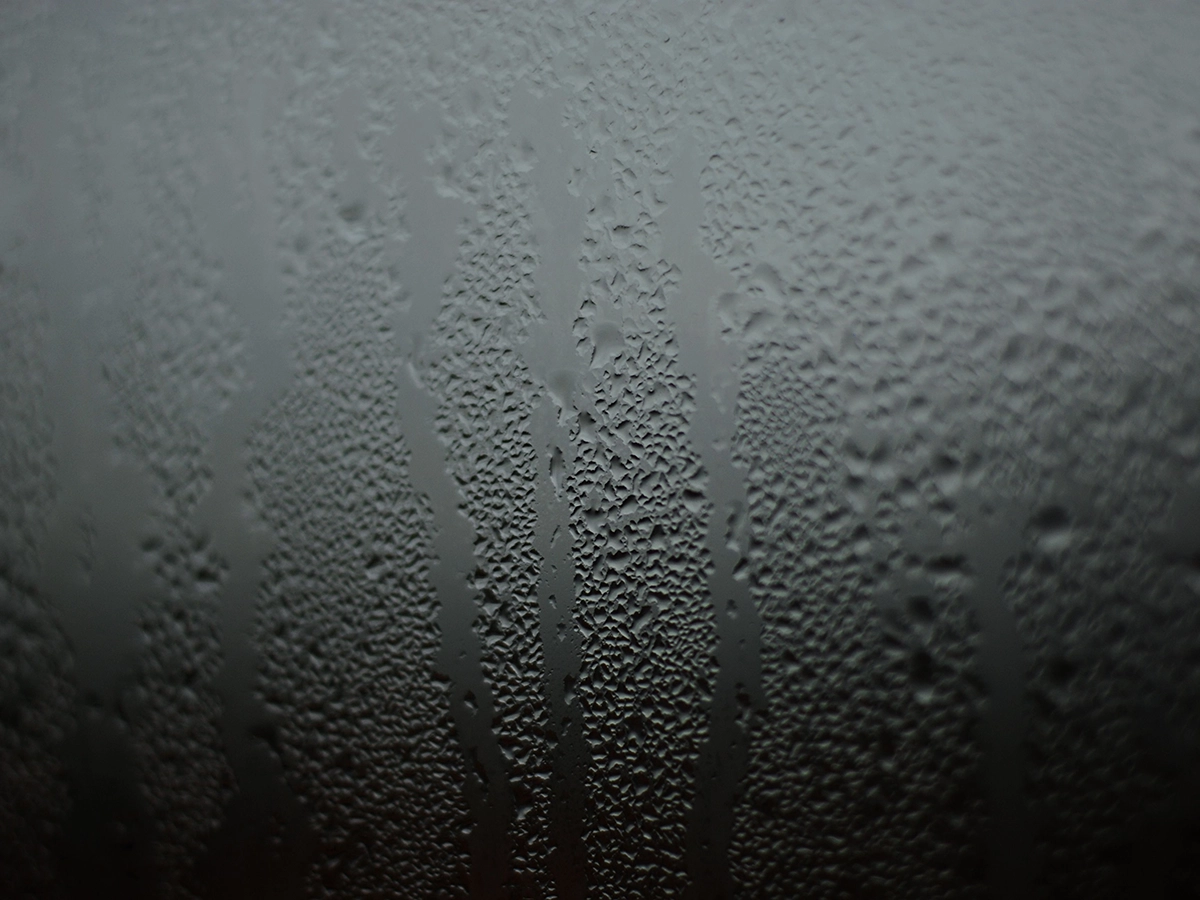
If the moisture cannot escape through ventilation or be removed in another way, it remains in the indoor air. When that warm, humid air reaches a colder surface such as a window, external wall or poorly insulated corner, some of the water vapour turns back into liquid and appears as condensation.
The problem tends to become more noticeable during autumn and winter because windows and walls are colder, homes are kept closed more often and laundry is less likely to be dried outside. Repeated high humidity can create the conditions in which mould grows, particularly around window frames, behind furniture and on cold external walls.
The Best Way to Dry Clothes Indoors Without Creating Damp
There is no single perfect drying method for every home. The important thing is to reduce the amount of water entering the room in the first place, help air move around the clothes and then either ventilate the moisture outside or remove it with a dehumidifier.
Use an Extra Spin Cycle First
One of the easiest improvements happens before the clothes even leave the washing machine. If the fabric and care instructions allow it, run an additional spin cycle after the wash has finished.
The more water the machine removes mechanically, the less moisture needs to evaporate inside your home. Clothes will feel noticeably less saturated when they come out and should take less time to dry on the airer.
This is particularly useful for heavier items such as towels, jeans, sweatshirts and bedding, which can hold a considerable amount of water after a normal wash cycle. Always choose a spin speed appropriate for the garments rather than automatically using the highest possible setting on delicate clothing.
Choose the Right Room
Where you position the airer matters almost as much as the type of airer you use. Ideally, choose one room where moisture can be controlled rather than spreading wet laundry across several parts of the house.
A utility room is ideal if you have one. A bathroom with effective extraction can also work well, or another room where you can ventilate directly outside. Avoid drying washing in bedrooms where possible, particularly overnight, because people are already adding moisture to the room through breathing while they sleep.
Do not push the airer tightly against a cold external wall. Leave enough space for air to circulate around both the clothing and the wall, especially in homes that already experience condensation.
Give Clothes Plenty of Space
An overloaded airer may hold an entire washing-machine load, but that does not mean it will dry it efficiently. When wet garments are pressed tightly together, very little air reaches the surfaces between them and drying slows considerably.
Leave gaps between items wherever possible and spread thick garments across enough rails that air can reach both sides. Shirts, blouses and similar clothes can often be hung on hangers, which frees up space on the airer and helps them dry with fewer creases.
If an especially large wash will only fit by layering one item over another, consider splitting it into two drying sessions. A smaller load with good airflow can sometimes dry more effectively than twice as many clothes crowded together.
Ventilate the Room Properly
If you are air-drying laundry without a dehumidifier, the moisture needs a route out of the property. Keep trickle vents open where fitted and use an extractor fan if you are drying in a room that has one.
Opening a window for a period can also help remove humid air. Keeping the door to the drying room closed stops that moisture simply spreading into bedrooms, hallways and other parts of the house before it has a chance to escape.
You do not necessarily need to leave a window wide open all day in winter. The goal is effective ventilation rather than making the whole room freezing cold. Monitor how quickly moisture builds up and adjust the ventilation accordingly.
Can a Dehumidifier Help Dry Clothes Indoors?
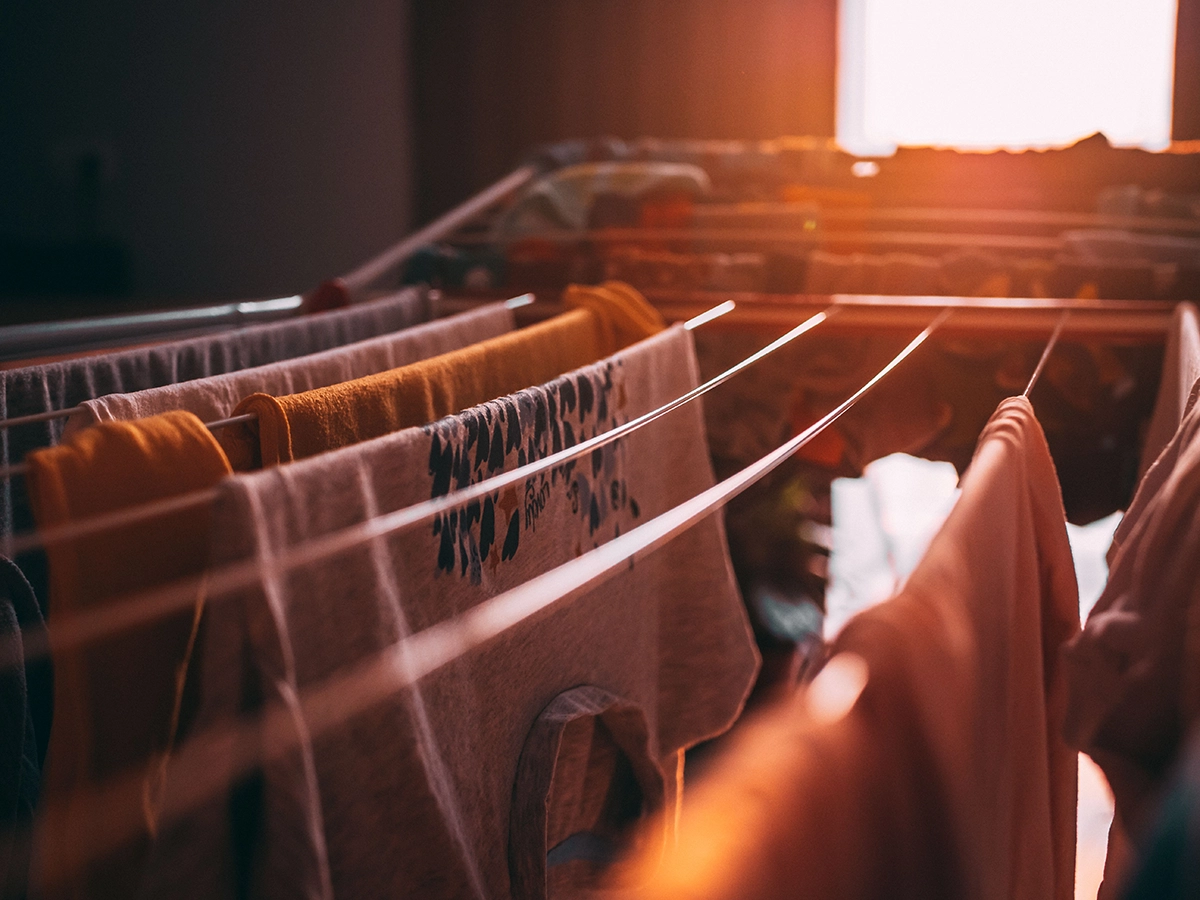
A dehumidifier can be one of the most effective ways to dry laundry indoors while controlling condensation. Instead of allowing the water evaporating from the clothes to remain in the room, the appliance draws moisture from the air and collects it in a tank or drains it away.
Some models include a dedicated laundry mode designed to run more intensively while clothes are drying. Even without one, a suitable dehumidifier can shorten drying times substantially when positioned in the same room as the airer.
Follow the manufacturer’s guidance on positioning and clearance around the appliance. It should be reasonably close to the laundry without being somewhere that wet clothing could drip onto it or fall against it.
There is also an important difference between drying with ventilation and drying with a dehumidifier. When deliberately using a dehumidifier for laundry, keeping the room’s doors and windows closed generally allows the machine to concentrate on the moisture within that space rather than constantly processing new outside air. Check the clothes periodically and switch the appliance off once the washing is dry rather than leaving it running unnecessarily.
Are Heated Clothes Airers Worth Using?
A heated clothes airer can reduce drying time compared with an ordinary rack by warming the areas of fabric in contact with the rails. They are particularly useful when you need laundry dry more quickly but do not want to use a tumble dryer for every load.
The important point is that a heated airer does not make the water disappear. It simply helps it evaporate faster, which means the moisture still ends up in the surrounding air. In a poorly ventilated room, that faster evaporation can still contribute to high humidity and condensation.
For that reason, heated airers work best alongside appropriate moisture control. Ventilate the room or use a dehumidifier, depending on your setup. If your airer has a purpose-made cover, follow the manufacturer’s instructions carefully. A cover may help retain warmth around the clothes on some models, but humid air still needs to be dealt with rather than trapped indefinitely around the laundry.
Why You Should Avoid Drying Clothes on Radiators
Covering radiators with wet washing can seem like an obvious shortcut, particularly when the heating is already running. Unfortunately, it can create two problems at once.
First, the water evaporating from the clothes is released directly into the room, often quite quickly, increasing indoor humidity. That moisture may then appear on colder windows and external walls as condensation.
Second, covering a radiator can interfere with the way heat circulates around the room. Instead of allowing warm air to rise and spread normally, much of the heat is concentrated around the damp clothing.
If you want to take advantage of a warm room, position an airer nearby while leaving the radiator itself unobstructed. The clothes benefit from the warmer air without directly covering the heat source.
How to Dry Clothes Indoors Faster
Faster drying is not only convenient. The less time laundry remains wet indoors, the less opportunity there is for prolonged moisture release. A few simple changes can make a significant difference.
Start With the Driest Washing Possible
Use an additional spin where the fabrics allow it and remove clothes from the washing machine promptly once the cycle finishes. Leaving a wet load sitting tightly packed in the drum does nothing to help the drying process and can leave laundry smelling stale if forgotten for long enough.
Increase Air Movement
Moving air helps moisture evaporate from the surface of clothing. Space garments properly, use appropriate ventilation and consider running an ordinary fan in the room if airflow is poor.
A fan does not remove humidity by itself, so it should still be combined with ventilation or a dehumidifier. Its job is simply to keep air moving around the wet fabric so moisture can evaporate more efficiently.
Turn or Reposition Slow-Drying Items
Jeans, hoodies, towels and other thick garments often feel almost dry everywhere except the waistband, pockets, seams or folded sections. Reposition them once or twice while drying so those damp areas receive more airflow.
If something has been folded across two rails for several hours, turning it over or changing the fold can expose the section that has remained trapped underneath.
Dry Smaller Loads
Trying to force two washing loads onto one small airer dramatically restricts airflow. If laundry is regularly taking several days to dry, overcrowding may be part of the problem.
Smaller loads spread properly across the rack can dry much more efficiently. This is particularly relevant when using a dehumidifier because the appliance can work more effectively when air can circulate freely through the clothes.
What Is the Best Indoor Clothes-Drying Method?
The most suitable method depends on how much laundry you produce, how much space you have and whether your home already struggles with humidity. There is no single approach that will be best for everyone.
- Standard clothes airer with ventilation: simple and inexpensive, but usually slower. Best where you have a suitable ventilated room and are not in a rush.
- Clothes airer with a dehumidifier: offers good moisture control and can shorten drying times considerably. Particularly useful in homes prone to condensation or where indoor drying is frequent.
- Heated clothes airer: generally dries clothes faster than an unheated rack, but the moisture still needs to be removed through ventilation or other means.
- Heated airer with a dehumidifier: combines additional warmth with active moisture removal and can be useful when faster indoor drying is a priority.
- Tumble dryer: often the quickest and most convenient option for suitable garments, although running costs, space and fabric-care requirements mean it will not suit every household or every item of clothing.
Whichever option you use, the basic principle remains the same: water leaving the laundry has to go somewhere. If it is not being collected by an appliance or vented outside, it remains inside the home.
Signs That Drying Laundry Indoors Is Creating Too Much Moisture
A little extra humidity while clothes are drying is normal. The warning signs appear when that moisture is repeatedly accumulating faster than the home can deal with it.
- Windows regularly becoming covered in condensation while washing is drying.
- Water collecting on window sills or frames.
- A persistent musty smell in the drying room.
- Black mould appearing around windows, external walls or behind furniture.
- Rooms feeling noticeably damp or clammy.
- Clothes taking several days to dry despite being well spaced.
- Heavy condensation continuing long after the laundry itself is dry.
If these problems continue despite sensible drying practices, effective ventilation and moisture control, the property may have a wider issue with ventilation, heating, insulation or damp. Continually wiping away condensation without addressing the cause is unlikely to solve a persistent problem.
A Simple Indoor Laundry Routine for Winter
You do not need an elaborate setup every time you wash clothes. A consistent routine that removes as much water as possible and controls the moisture during drying is usually enough.
- Use the fastest suitable final spin for the garments you are washing.
- Remove laundry promptly and shake each item out before hanging it.
- Spread clothes across the airer with space for air to circulate.
- Dry the load in one suitable room rather than distributing it throughout the house.
- Ventilate effectively, or close the room and use a dehumidifier to collect the moisture.
- Keep wet laundry off radiators.
- Reposition thick items if seams or folded areas remain damp.
- Take clothes down once they are fully dry rather than leaving them hanging around the room indefinitely.
Drying laundry indoors during a British winter is sometimes unavoidable, but damp and condensation are not. Get more water out of the clothes before you hang them up, give air room to move between garments and make sure the moisture has somewhere to go. That combination will usually dry washing faster while keeping far more of that humidity off your windows and walls.