

Feeding a family well while trying to keep the weekly food bill under control can feel like a constant balancing act. Meat, fresh produce and convenience foods can quickly push the cost of an ordinary supermarket shop upwards, particularly when several different meals require ingredients that are only used once.
The good news is that cheaper family dinners do not have to mean bland food, tiny portions or eating the same meal every night. Some of the most useful budget recipes are built around inexpensive staples such as potatoes, pasta, rice, beans and lentils, with smaller amounts of meat, cheese or fish used to add flavour rather than dominate the plate. Planning meals that share ingredients also makes it much easier to use everything you buy instead of finding half a bag of vegetables or an open packet of cheese at the back of the fridge a week later.
These easy family meals use ingredients readily available in UK supermarkets and are designed to be filling, adaptable and realistic for busy weeknights. Most can also be doubled, frozen or turned into something different the following day.
10 Cheap Family Meals for Easy Weeknight Dinners
Sausage and Vegetable Traybake
A sausage traybake is one of the easiest ways to turn a relatively inexpensive packet of sausages into a complete family dinner. Cut potatoes, carrots and onions into similar-sized pieces, toss them with a little oil, dried herbs and seasoning, then roast until they are beginning to soften. Add the sausages and continue cooking until everything is browned and cooked through.
The recipe is extremely forgiving, which makes it useful for using up vegetables already in the fridge. Peppers, courgettes, parsnips, sweet potatoes and small pieces of broccoli can all be added depending on what you have. A spoonful of mustard mixed with a little honey makes an easy glaze, although the traybake works perfectly well without it.
Because potatoes and vegetables provide most of the bulk, you do not need an enormous quantity of sausages to feed four people. Vegetarian sausages work equally well, and any leftovers can be chopped up and added to pasta or served in wraps the following day.
One-Pot Tomato and Cheese Pasta
Pasta is one of the most useful ingredients to have around when the cupboards are looking bare. For a simple one-pot dinner, soften an onion and a little garlic, add chopped tomatoes, dried herbs and enough water or stock to cook the pasta directly in the sauce. Stir regularly as it cooks, then finish with grated cheese once the pasta is tender.
Frozen peas or spinach can be added near the end, while fresh vegetables that need using up can go in earlier. Leftover peppers, mushrooms or courgettes are all useful additions. If you have half a tub of soft cheese or crème fraîche in the fridge, a spoonful stirred through at the end makes the sauce creamier without requiring a separate ingredient.
This is particularly useful towards the end of the shopping week because nearly everything can come from the cupboard or freezer. Cooking the pasta in the sauce also means fewer pans to wash and helps create a naturally thicker, richer finish.
Chicken, Tomato and Chickpea Stew
Chicken thighs are usually better suited to stews than chicken breast and can often be more economical. Combining them with chickpeas allows a relatively small amount of chicken to stretch across several generous portions without the meal feeling as though it has been bulked out.
Brown the chicken if you have time, then cook it gently with onion, chopped tomatoes, chickpeas, stock and simple seasonings such as paprika, garlic and dried herbs. Carrots, peppers or frozen spinach can all be added depending on what you have available. Allow everything to simmer until the chicken is tender and the sauce has thickened.
Serve the stew with rice, couscous or crusty bread. It is also an excellent batch-cooking recipe because the flavours improve after sitting for a day, and portions can be frozen for another week.
Easy Lentil Bolognese
Lentils are one of the simplest ways to make a filling pasta sauce without relying on a large quantity of meat. Cook finely chopped onion and carrot until soft, then add lentils, chopped tomatoes, stock and Italian-style herbs. Leave the sauce to simmer until the lentils are tender and the vegetables have almost disappeared into the tomatoes.
For a completely meat-free dinner, serve it exactly as it is with spaghetti and a little grated cheese. If your family prefers a traditional beef bolognese, another option is to use half the usual amount of mince and add lentils alongside it. The final sauce still tastes familiar, but the meat goes considerably further.
Bolognese is also worth cooking in larger quantities. Extra sauce can be frozen, served with jacket potatoes or turned into a pasta bake later in the week.
Sausage and Bean Hotpot
A sausage and bean hotpot is ideal once the weather turns colder because it uses affordable ingredients but still feels like proper comfort food. Slice sausages into chunks and combine them with onions, chopped tomatoes and inexpensive beans such as cannellini, butter beans or haricot beans.
Transfer the mixture to an ovenproof dish and cover with thin slices of potato before baking until the potatoes are tender and golden. Adding beans means you can use fewer sausages while still producing generous portions, and the potatoes on top remove the need for a separate side dish.
This is another recipe that adapts easily to whatever is available. Add carrots, frozen peas or leftover vegetables to the sauce, or use vegetarian sausages for a meat-free version.
Chicken and Vegetable Fried Rice
Fried rice is one of the best ways to turn a relatively small quantity of chicken into dinner for the whole family. Cooked rice, eggs and frozen vegetables provide most of the volume, while shredded chicken adds flavour and protein without requiring a large pack of meat.
Fry an onion if you have one, add frozen peas, sweetcorn or mixed vegetables, then stir in cooked chicken and rice. Push everything to one side of the pan, scramble a couple of eggs in the empty space and mix everything together with a splash of soy sauce.
This works particularly well with leftover roast chicken. If using previously cooked rice, cool it quickly after the original meal, refrigerate it promptly and use it within the recommended storage period. When reheating, make sure it is steaming hot throughout and do not repeatedly cool and reheat the same rice.
Loaded Jacket Potatoes
Jacket potatoes are inexpensive, filling and one of the easiest ways to make small quantities of leftovers stretch into another meal. Bake large potatoes until crisp outside and fluffy in the centre, then let everyone choose from whatever toppings you have available.
- Beans and grated cheese
- Tuna and sweetcorn
- Leftover chilli
- Cheese and sliced spring onion
- Chickpea curry
- Leftover bolognese
The advantage is that you do not need enough of any one topping to feed the whole family. A small bowl of chilli left from the previous night, a little grated cheese and half a tin of beans can all be used at the same meal. Add a simple salad or frozen vegetables if you want something alongside them.

Easy Vegetable and Chickpea Curry
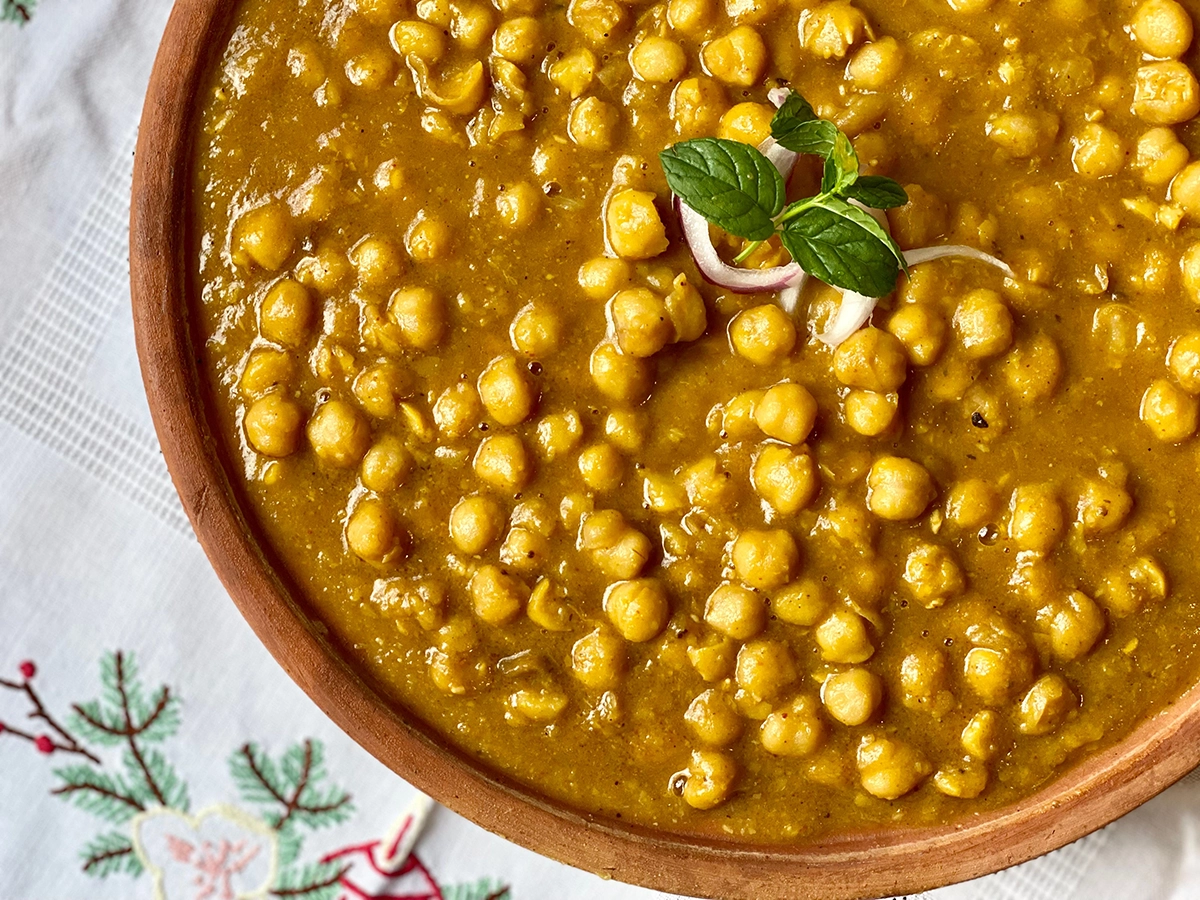
Chickpeas make an excellent base for a cheap curry because they are filling, inexpensive and easy to combine with almost any vegetables. Soften an onion, add garlic and basic curry spices, then stir in chopped tomatoes and chickpeas. Add frozen spinach, peas, cauliflower, carrots or whatever vegetables you want to use up.
A little coconut milk can make the sauce richer, but it is not essential. Simmer until the vegetables are tender and serve with rice. If you regularly cook curries, buying a few basic spices and keeping them in the cupboard works out far cheaper than buying a new jar of sauce for every meal.
This is also an ideal recipe to make in a larger quantity. The leftovers keep well for lunch and can be served the following evening over a jacket potato or in wraps to make the meal feel different.
Tuna and Sweetcorn Pasta Bake
Tuna pasta bake is a useful family standby because most of the ingredients can be kept in the cupboard or freezer. Cook pasta until just tender, then combine it with tinned tuna, sweetcorn and either a simple tomato sauce or a basic white sauce. Transfer to a baking dish, sprinkle with grated cheese and bake until bubbling and golden.
Frozen peas, spinach or leftover vegetables can be added easily, and this is a good recipe for using the end of a block of cheese before it dries out. You can also assemble the entire dish earlier in the day and bake it when everyone is ready to eat.
Serve with some vegetables or a simple salad and you have a straightforward dinner that does not require an expensive list of ingredients.
Homemade Cottage Pie With Hidden Vegetables
Cottage pie is another meal where a relatively small amount of beef can feed plenty of people. Start with mince, onion and carrot, then add peas and a handful of lentils before stirring in stock and a little tomato purée. The lentils absorb the flavour of the gravy while increasing the amount of filling considerably.
Top the mixture with mashed potato and bake until golden. Frozen vegetables work perfectly well here and remove the need to buy several separate fresh ingredients. You can also add leftover mashed vegetables such as swede or carrot to the potato topping.
Making two smaller cottage pies at once is often worthwhile. Eat one and freeze the other, and you have a future dinner ready for a night when cooking from scratch is the last thing you want to do.
How to Make Family Meals Cheaper Without Making Them Smaller
Reducing the cost of dinner does not have to mean serving noticeably less food. The more useful approach is to make the expensive ingredients work harder and build the bulk of meals around affordable ingredients that still make them satisfying.
Use Less Meat and Add Beans or Lentils
Meat is often one of the most expensive ingredients in a recipe, yet many dishes do not need as much as the traditional version suggests. Beef mince can be stretched with lentils, chicken can be combined with chickpeas and sausages can be sliced through casseroles rather than served two or three per person.
This works especially well in chilli, bolognese, curries, casseroles and cottage pie because the pulses absorb the flavour of the sauce. The aim is not to make the family feel as though something has been taken away, but to create a more substantial meal from the same amount of meat.
Make Potatoes, Rice and Pasta Work Harder
Potatoes, pasta and rice are useful budget staples because they can form the basis of dozens of different meals. A baked potato can carry leftover chilli, a little curry or beans and cheese; rice can become the base of a curry one night and fried rice another; and pasta can stretch a small amount of meat or vegetables through an entire family meal.
The important thing is balance. Building a meal around an affordable staple does not mean filling every plate entirely with pasta or potatoes. Use vegetables, beans, eggs, fish or smaller amounts of meat alongside them to create something filling and varied.
Use Frozen Vegetables
Frozen vegetables can be particularly useful when food waste is part of the problem. Peas, sweetcorn, spinach and mixed vegetables can be taken from the freezer in exactly the quantity you need and the rest remains usable for another meal.
They also require virtually no preparation, making it easier to add vegetables to pasta, fried rice, stews and curries on busy evenings. Fresh produce still has an important place in the weekly shop, but there is no reason every vegetable needs to come from the fresh aisle.
Buy Own-Brand Basics
Pasta, rice, tinned tomatoes, beans, flour and many other basic ingredients are straightforward places to try supermarket own-brand alternatives. Once those ingredients are mixed into a bolognese, curry or casserole, paying more for a familiar label may make very little difference to the finished dinner.
You do not need to switch everything at once. Start with the ingredients that disappear into recipes and see which changes your family actually notices.
Cook Once, Eat Twice
One of the easiest ways to make a food shop work harder is to cook more than you need on purpose. Dishes such as chilli, curry, bolognese, stew, cottage pie and pasta sauce generally require very little additional effort to make in a larger quantity, yet the extra portions can provide another dinner or be frozen for a later week.
This is different from simply hoping there will be leftovers. If you deliberately cook eight portions when you need four, you can plan the second meal from the beginning. It can also save money on nights when the alternative might otherwise be a takeaway or last-minute trip to the supermarket.
Turn Leftovers Into a Different Meal
Eating exactly the same dinner two nights in a row is not always appealing, but many leftovers can be turned into something that feels completely different.
- Use leftover chilli to fill jacket potatoes.
- Turn roast chicken into vegetable fried rice.
- Use bolognese sauce in a pasta bake.
- Blend leftover cooked vegetables into soup.
- Slice cooked sausages into a tomato pasta sauce.
- Serve leftover curry in wraps or over baked potatoes.
Thinking about the second use before you cook the first meal makes this much easier. You can deliberately save enough chicken for fried rice, for example, rather than discovering the next day that there are only two small pieces left.
Build Your Shopping List Around Meals, Not Individual Recipes
A cheap recipe is not particularly cheap if it sends you to the supermarket for six ingredients you will never use again. A better weekly plan uses the same core ingredients across several dinners. A bag of carrots might appear in a traybake, cottage pie and stew; onions can form the base of almost everything; and one block of cheese can be used for pasta, jacket potatoes and a pasta bake.
Before writing the shopping list, check the fridge, freezer and cupboards. Planning around what you already own is often more valuable than finding another discounted product in the supermarket. It also prevents duplicates building up at the back of cupboards.
It helps to keep two or three cheap emergency meals available too. Pasta with tomato sauce, beans on jacket potatoes or eggs with something from the freezer can rescue an evening when plans change without requiring another shop.
Cheap Ingredients Worth Keeping in the Cupboard and Freezer
You do not need an enormous store cupboard, but a handful of versatile ingredients make it much easier to produce dinner without buying something new for every recipe.
Cupboard
- Pasta
- Rice
- Tinned tomatoes
- Chickpeas
- Kidney beans and other tinned beans
- Lentils
- Tinned tuna
- Stock cubes
- Basic herbs and spices
Freezer
- Peas
- Sweetcorn
- Mixed vegetables
- Spinach
- Bread
- Portions of previously cooked chilli, curry, stew or pasta sauce
Fridge and Vegetable Rack
- Eggs
- Cheese
- Carrots
- Onions
- Potatoes
These are the ingredients that help turn leftovers into another dinner. A portion of chilli becomes a complete meal once you have potatoes to bake, while eggs and frozen vegetables can turn yesterday’s rice into fried rice in minutes.
Example Five-Day Budget Family Dinner Plan
A useful budget meal plan should make ingredients overlap naturally rather than asking you to buy an entirely different basket of food every evening. One simple working week could look like this:
- Monday: Sausage and vegetable traybake with potatoes, carrots and onions.
- Tuesday: Chicken, tomato and chickpea stew served with rice.
- Wednesday: Lentil bolognese with spaghetti and a little grated cheese.
- Thursday: Loaded jacket potatoes using leftover bolognese or stew, plus beans and cheese for anyone who wants a different topping.
- Friday: Chicken and vegetable fried rice using remaining chicken, rice and frozen vegetables.
The same onions and carrots appear across several meals, rice is used more than once, cheese can cover both pasta and jacket potatoes, and frozen vegetables fill gaps without leaving half-used packets of fresh produce in the fridge.
A simple consolidated shopping list might include sausages, chicken thighs, potatoes, carrots, onions, rice, spaghetti, lentils, chickpeas, chopped tomatoes, beans, cheese, eggs and frozen mixed vegetables, alongside basic seasonings and stock that may already be in the cupboard.
The real trick to cheaper family dinners is not finding one miraculous low-cost recipe. It is getting several meals from the same group of affordable ingredients, deliberately planning for leftovers and making sure the food you buy actually gets eaten. Once the weekly shop starts working across several dinners rather than one recipe at a time, keeping the cost under control becomes much easier.