
Kent has a surprisingly varied independent cinema scene, ranging from historic single-screen picture houses and small boutique cinemas to university arts centres, community film clubs and volunteer-supported screening spaces. These venues offer something different from the larger multiplex experience, whether that means international films, independent releases, classic cinema, filmmaker discussions, live theatre broadcasts or simply a more personal atmosphere.
Independent cinema in Kent is not limited to arthouse films. Many venues also show current mainstream releases, family films and major productions, while community film societies often concentrate on films that receive less exposure through the biggest commercial chains. Some operate from permanent cinemas, while others organise occasional screenings in theatres, museums or community buildings.
This guide brings together a carefully selected range of independent cinemas and film clubs across Kent, including venues in Broadstairs, Westgate-on-Sea, Herne Bay, Faversham, Canterbury, New Romney, Hawkhurst, Ramsgate, Hythe and Rochester. Opening arrangements, ticket prices and programmes can change, so it is always worth checking the venue’s official website before travelling.
What Makes Kent’s Independent Cinemas Different?
Independent cinemas tend to offer a more individual experience than large national chains. Smaller auditoriums, historic buildings and locally managed programmes can make the setting itself part of the attraction, while many venues choose a broader mix of films than would normally be found in a multiplex.
Programming can include international cinema, documentaries, restored classics, specialist film seasons, live theatre and opera broadcasts, director Q&As and audience discussions. Some venues also run relaxed, subtitled or sensory-friendly screenings, while community organisations may combine films with talks, short-film programmes or events involving local filmmakers.
That does not mean every independent cinema is primarily aimed at specialist audiences. Several of Kent’s independent venues show mainstream releases and family favourites throughout the week, providing a locally operated alternative to travelling to a larger commercial cinema.

Independent Cinemas in Kent Worth Visiting
The venues below have been chosen because they offer something distinctive, whether through their history, programming, community involvement or location. They are arranged broadly from the North Kent coast through Canterbury and Faversham towards Romney Marsh and the Weald.
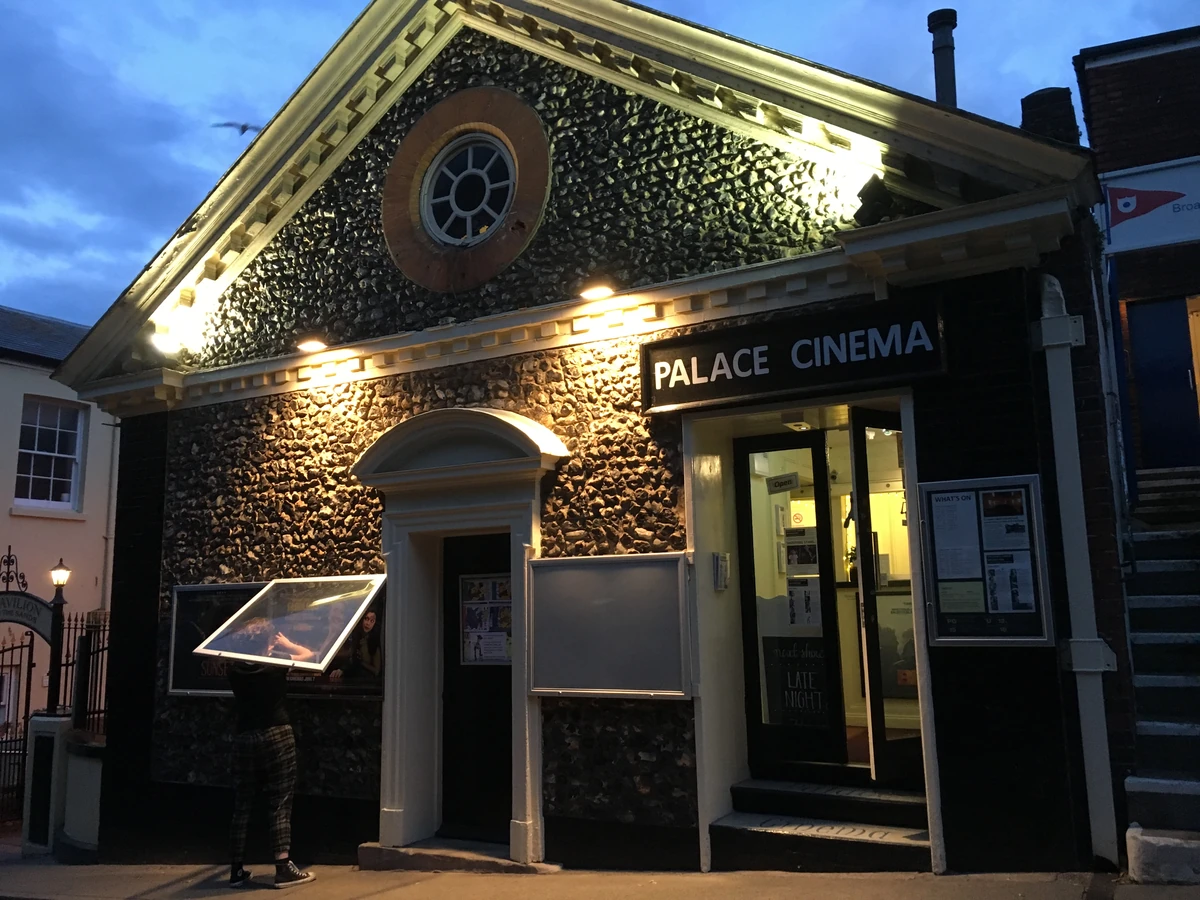
The Palace Cinema, Broadstairs
The Palace Cinema on Harbour Street is one of Kent’s most distinctive small independent cinemas. Close to Viking Bay, it occupies a historic listed building and contains a single auditorium with 111 seats, giving screenings a more intimate atmosphere than a modern multiplex.
Its programme regularly includes independent releases, international cinema and award-winning films alongside more unusual events. Silent films accompanied by live piano, filmmaker Q&As and special screenings have all formed part of the programme, helping the Palace develop a reputation for showing films that go beyond the most obvious commercial releases.
The cinema has been operated by a local family since 2016 and retains the feel of a traditional picture house despite using modern screening technology. Its location also makes it particularly easy to combine a film with a walk around Broadstairs or the seafront.
Tickets can be booked through the cinema’s website, and seating is limited compared with larger venues, making advance booking sensible for popular films and events. The cinema has an accessible rear entrance, but visitors with mobility requirements are advised to contact the venue in advance to confirm arrangements.
Carlton Cinema, Westgate-on-Sea
The Carlton Cinema occupies a Grade II-listed building on St Mildred’s Road that was originally constructed as Westgate-on-Sea’s town hall in 1910. It now operates as part of the smaller Picturedrome group rather than one of the major national cinema chains, giving Westgate a permanent local cinema in a building with considerable architectural character.
Its three screens provide a broader programme than many single-screen independent venues, combining mainstream releases and family films with selected independent titles. The cinema has also advertised subtitled and sensory-friendly screenings, making it useful for local audiences who want accessible options without travelling to one of Kent’s larger entertainment complexes.
The Carlton experienced a temporary closure in late October 2026 following an insurance issue. Local reporting on 30 October stated that the cinema had reopened, although a closure notice remained visible on the official cinema website at the time the research for this article was completed. Anyone planning a visit should therefore confirm the current operating status and listings directly before travelling.
Kavanagh Cinema, Herne Bay
The Kavanagh Cinema on William Street offers a different version of independent cinema. Rather than concentrating mainly on specialist films, it operates daily and provides Herne Bay with a locally run venue showing a broad selection of current releases, family films and special screenings.
Its central location, adjoining the leisure centre, means local residents can see major new films without travelling to a larger multiplex elsewhere in the county. This makes the Kavanagh a useful reminder that independent cinema can still provide a familiar mainstream film-going experience while remaining outside the major national chains.
The cinema also promotes a film club and autism-friendly screenings alongside its standard programme. Tickets can be booked online, and current prices, concessions and accessibility information are published through the cinema’s website, allowing visitors to check arrangements before attending.
For audiences who value convenience and regular new releases but prefer a smaller local cinema, the Kavanagh offers one of the most straightforward independent alternatives in North Kent.
The Royal Cinema, Faversham
The Royal Cinema in Faversham is one of Kent’s most notable surviving traditional picture houses. The building was constructed as an Odeon in 1935 and opened the following year, while the current operators have run the venue since February 1994.
Its large single auditorium, with approximately 440 seats, gives it a very different atmosphere from Kent’s smaller boutique cinemas. The building retains the scale and character of a historic picture house while using modern digital projection, allowing it to combine traditional surroundings with contemporary film presentation.
Programming includes mainstream releases, family films, specialist cinema and live theatre broadcasts. The cinema has also had a longstanding relationship with Faversham Film Society, which traditionally holds screenings at the Royal twice each month and introduces local audiences to international, subtitled and less commercially prominent films.
This combination demonstrates how a conventional independent cinema and a local film society can complement one another. Regular releases keep the venue active as an everyday cinema, while curated society screenings broaden the range of films available to audiences in the town.
Gulbenkian Cinema, Canterbury
The Gulbenkian operates within the University of Kent’s arts centre in Canterbury but is open to the wider public rather than functioning solely as a student facility. Its position within a larger cultural venue allows it to combine cinema with theatre, performance and academic involvement in ways that commercial cinemas rarely can.
The film programme includes independent releases, international cinema, documentaries, mainstream titles and specialist screenings. Introductions, discussions and selected events involving filmmakers, academics and other speakers can also form part of the programme, making the venue particularly appealing to audiences interested in the wider context around a film.
The 2026 programme has included family films, relaxed screenings and special events alongside conventional cinema releases. The combination of university involvement and a professional arts centre gives the Gulbenkian considerable flexibility, allowing it to show films that may receive limited distribution elsewhere while still programming accessible and popular titles.
Visitors should check individual listings for ticket information and accessibility arrangements, as special screenings and events may operate differently from standard film bookings.
Cinemarsh, New Romney
Cinemarsh is one of the most interesting examples of community-focused cinema in Kent. Located within The Marsh Academy Leisure Centre in New Romney, it operates from a small auditorium with approximately 46 seats, creating a particularly intimate screening environment.
The cinema was established to improve cultural opportunities on Romney Marsh, where residents might otherwise need to travel considerably further to access regular film screenings. According to the Independent Cinema Office, Cinemarsh operates with charitable status and directs profits towards employment, education or additional resources, giving the venue a broader community purpose beyond ticket sales.
Its programme combines independent and international films with more familiar releases, helping it serve both specialist audiences and local residents who simply want a convenient cinema nearby. In a relatively rural part of Kent, the existence of a permanent screening venue can make a meaningful difference to access to film and cultural activity.
Programmes and opening arrangements can vary, so visitors should check current listings before travelling rather than assuming screenings take place every day.
Kino Hawkhurst
Kino Hawkhurst is a boutique independent cinema occupying the former Victorian lecture hall known as Victoria Hall on Rye Road. Its setting is one of its strongest features, combining a stylish screening space with a café-bar, heated veranda and garden to create a cinema visit that feels different from a conventional multiplex trip.
The programme mixes mainstream releases and independent films with live broadcasts from major theatre, opera and performing arts organisations. Unlike an occasional film society, Kino is a permanent cinema operating throughout the week, giving audiences in the Weald regular access to a broad range of screenings.
The venue has level access and wheelchair spaces, although advance arrangements are recommended for visitors who need particular assistance. Tickets can be booked through Kino’s website, where current screening times and practical information are also published.
Kino operates other venues outside Kent, but Hawkhurst has its own character. For audiences in the west of the county, it combines a smaller independent cinema atmosphere with the convenience of a permanent professionally run venue.
Film Clubs & Community Cinemas in Kent
Kent’s cinema scene extends beyond permanent picture houses. Film societies and community cinemas bring screenings into high streets, museums, halls and other shared spaces, often concentrating on international cinema, documentaries, classics and independent films that receive relatively limited commercial distribution.
These organisations generally operate differently from daily cinemas. Screenings may take place monthly or as part of a seasonal programme, membership can sometimes be required, and tickets may need to be bought in advance rather than at the door.
Ramsgate Community Cinema
Ramsgate Community Cinema is a volunteer-supported venue managed by the registered charity Kent Film Foundation. Local residents and volunteers helped transform an empty high street premises into a community cinema, giving the project a direct connection with the regeneration and cultural life of the town.
The programme includes independent films, international releases, documentaries and events involving filmmakers. Partnerships with local arts organisations and festivals add another layer to the programme, helping the cinema function as a cultural space rather than simply a room where films are shown.
Kent Film Foundation also runs free youth filmmaking clubs during term time, encouraging younger people to learn production skills and engage with film beyond simply watching it. This educational work is one of the clearest differences between Ramsgate Community Cinema and a conventional small commercial venue.
The cinema was recognised in the 2026 British Independent Film Awards Cinema of the Year competition, although it should not be described as having won the award. Visitors should check the current programme, address details and ticket arrangements directly before attending.
Hythe Community Cinema
Hythe Community Cinema, originally founded in 2011 as Hythe Film Society, provides a low-cost and sociable way to see films from around the world. Screenings take place at The Tin Tabernacle on Portland Road and usually run monthly between October and July.
The programme often includes international cinema alongside additional short films, talks or informal discussion, making the experience more communal than simply arriving for a commercial screening. The emphasis is on watching films together and giving audiences opportunities to encounter work they may not otherwise see locally.
Membership is currently free, although people attending screenings normally need to join the society. The official website lists tickets at £5, generally purchased in advance through Best Wishes on Hythe High Street, while a limited online ticketing trial was introduced for the 2026/27 season.
Tickets are not normally sold at the door, so checking the current booking process is particularly important. For regular film-goers in Hythe, the society provides an affordable alternative to travelling further for specialist cinema.
Electric Medway Cinema Club, Rochester
Electric Medway Cinema Club is a community film initiative that combines independent cinema with creative work from local filmmakers and digital artists. Launched in 2025, the club has organised screenings at the Huguenot Museum on Rochester High Street rather than operating as a conventional daily cinema.
Its format can include experimental shorts or immersive media before the main feature, followed by opportunities for discussion. This creates a more participatory experience and gives local filmmakers and artists space alongside established cinema programming.
The organisation has connections with the BFI Film Audience Network, Medway Lottery Community Fund and Cinema for All, helping place the programme within the wider UK community-cinema network. Its official website currently displays the 2025/26 programme, so future screening dates should be confirmed rather than assuming the same monthly schedule will continue indefinitely.

How to Choose & Book an Independent Cinema Screening
Independent cinemas vary considerably in how they operate, so it is worth checking the programme before setting out. Permanent venues such as Kino Hawkhurst, the Kavanagh and the Royal Cinema generally publish regular film listings, while societies such as Hythe Community Cinema may only run one scheduled screening each month.
Ordinary cinema tickets are usually available directly through the venue’s website or box office, but film societies may operate membership systems or use separate booking arrangements. Special events such as filmmaker Q&As, festivals and live theatre broadcasts can also have different ticket prices or sell out more quickly than a standard film screening.
Accessibility arrangements differ between venues as well. Some cinemas offer wheelchair spaces, step-free entrances, relaxed screenings, subtitled films or sensory-friendly sessions, but older buildings can present practical limitations. Visitors with specific requirements should check the venue’s accessibility information and contact the cinema directly where necessary.
Parking and public transport also vary considerably between locations, particularly when comparing town-centre cinemas with rural venues. Checking these details directly with the cinema or local transport provider is more reliable than relying on older visitor information.
For people looking beyond the venues featured here, Cinema for All’s My Community Cinema directory provides another way to find film societies and community screening organisations operating locally.
Why Kent’s Independent Cinema Scene Matters
Independent cinemas and film clubs contribute to Kent’s cultural life in ways that extend beyond showing films. They can preserve historic picture houses, support local arts organisations, provide space for international and independent cinema and create opportunities for discussion that are difficult to reproduce in large commercial venues.
The Palace Cinema demonstrates the appeal of a small historic auditorium, while Kino Hawkhurst combines boutique surroundings with a permanent professional programme. Cinemarsh shows the importance of providing access to cinema in a rural area, and volunteer-supported organisations such as Ramsgate Community Cinema illustrate how film can become part of wider community and educational activity.
Film societies add another layer by introducing audiences to titles that may never receive a wide commercial release. In some cases they also create opportunities for local filmmakers, young people and community groups to participate in cinema rather than simply consume it.
Kent’s independent cinema scene is therefore not one single type of experience. It includes traditional picture houses, modern boutique venues, cultural centres and volunteer-run clubs, each serving its audience in a different way. Checking a local programme and trying one of these venues can offer a very different kind of cinema visit from the standard multiplex experience.