
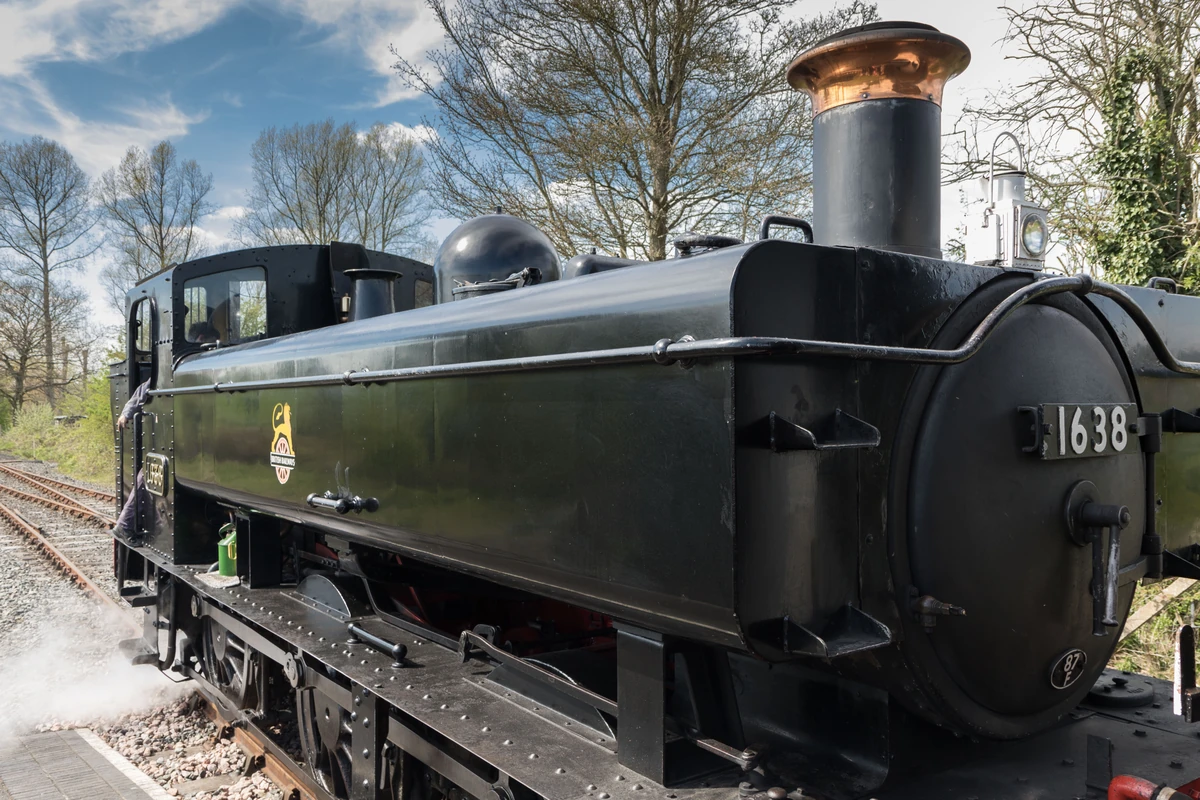
Kent’s heritage railways offer several very different ways to experience the county’s railway past. Visitors can travel behind full-sized steam locomotives through the countryside, ride a miniature railway across Romney Marsh, explore former industrial lines or discover preserved trains connected with Kent’s coal-mining history.
These railways represent different chapters of the county’s development. The Kent & East Sussex Railway grew from the rural light railway movement, the Romney, Hythe & Dymchurch Railway became part of Kent’s coastal tourism story, while Sittingbourne & Kemsley and East Kent Railway preserve links with industries that once depended heavily on rail transport.
Not every heritage railway operates steam locomotives on every service. Some use a mixture of steam, heritage diesel and electric trains, while smaller preservation lines may only run on selected event days. Checking the timetable before travelling is therefore essential, particularly if a steam-hauled journey is the main reason for your visit.
Heritage Railways in Kent at a Glance
| Railway | Route / Location | Type & Trains | Website |
|---|---|---|---|
| Kent & East Sussex Railway | Tenterden to Bodiam | Full-sized steam & diesel | kesr.org.uk |
| Spa Valley Railway | Tunbridge Wells West to Eridge | Full-sized steam & diesel | spavalleyrailway.co.uk |
| Romney, Hythe & Dymchurch Railway | Hythe to Dungeness | 15-inch miniature steam & diesel | rhdr.org.uk |
| Sittingbourne & Kemsley Light Railway | Sittingbourne to Kemsley Down | Industrial steam railway | sklr.net |
| Bredgar & Wormshill Light Railway | Near Sittingbourne | Narrow-gauge steam & diesel | bwlr.co.uk |
| East Kent Railway | Shepherdswell to Eythorne | Heritage diesel & electric | eastkentrailway.co.uk |
Operating patterns vary considerably between these railways. Some run frequent seasonal services, while smaller preservation organisations may only open on selected weekends or event days, so the table is best used to identify the type of railway that interests you before checking its current timetable.
Kent’s Heritage Railways & Steam Train Journeys
Kent’s preserved railways are not variations of the same attraction. Some recreate traditional passenger journeys using full-sized trains, others preserve industrial equipment, and the Romney, Hythe & Dymchurch Railway was built from the outset as an unusually ambitious miniature railway. Their individual histories are what make the journeys distinctive.
Kent & East Sussex Railway, Tenterden
The Kent & East Sussex Railway operates between Tenterden Town and Bodiam, following a rural route through the Rother Valley and countryside on both sides of the Kent and East Sussex border. A complete journey takes approximately 50 minutes each way and uses full-sized heritage trains hauled by steam or diesel locomotives according to the timetable.
The railway began life in 1900 as the Rother Valley Railway before becoming the Kent & East Sussex Railway in 1904. It became closely associated with Colonel Holman F. Stephens, one of the most important figures in Britain’s light railway movement, whose low-cost rural lines were designed to connect agricultural communities that could not justify major mainline railway investment.
Regular passenger services ended in 1954, but preservation eventually returned trains to the route. Heritage operations restarted in 1974 and gradually expanded until services reached Bodiam again in 2000. Visitors today can travel in traditional carriages, see steam and heritage diesel locomotives, explore rural stations and visit the Colonel Stephens Railway Museum at Tenterden.
Bodiam provides a natural destination at the southern end of the route, although it is important to remember that the village lies in East Sussex rather than Kent. Anyone specifically wanting a steam journey should also check the daily locomotive roster, as the 2026 timetable includes steam-only, diesel-only and mixed operating days rather than guaranteeing steam on every departure.
Spa Valley Railway, Royal Tunbridge Wells
Spa Valley Railway runs from Tunbridge Wells West through Groombridge and the High Weald countryside to Eridge. The preserved line offers full-sized heritage trains and operates a mixture of steam locomotives and historic diesel traction, with Tunbridge Wells West serving as the principal starting point for most visitors.
The route is part of a much larger railway story connected with the nineteenth-century expansion of lines around Tunbridge Wells, Groombridge and destinations further into Sussex. Regular passenger services eventually ceased in 1985, after which preservation volunteers began the long process of restoring sections of the railway for heritage use.
Trains returned in December 1996 over a short section before the preserved route reached Groombridge in 1997 and Eridge in 2011. Today the journey passes through stations including High Rocks and Groombridge, with Eridge providing a connection to the national railway network. Special events and dining experiences also form part of the railway’s programme.
The timetable requires careful checking because not every advertised service is steam-hauled and some departures operate over only part of the route. Spa Valley is particularly rewarding for visitors interested in the preservation of a full-sized railway and the experience of travelling through the High Weald behind historic traction rather than simply seeing locomotives in a static collection.
Romney, Hythe & Dymchurch Railway, Romney Marsh
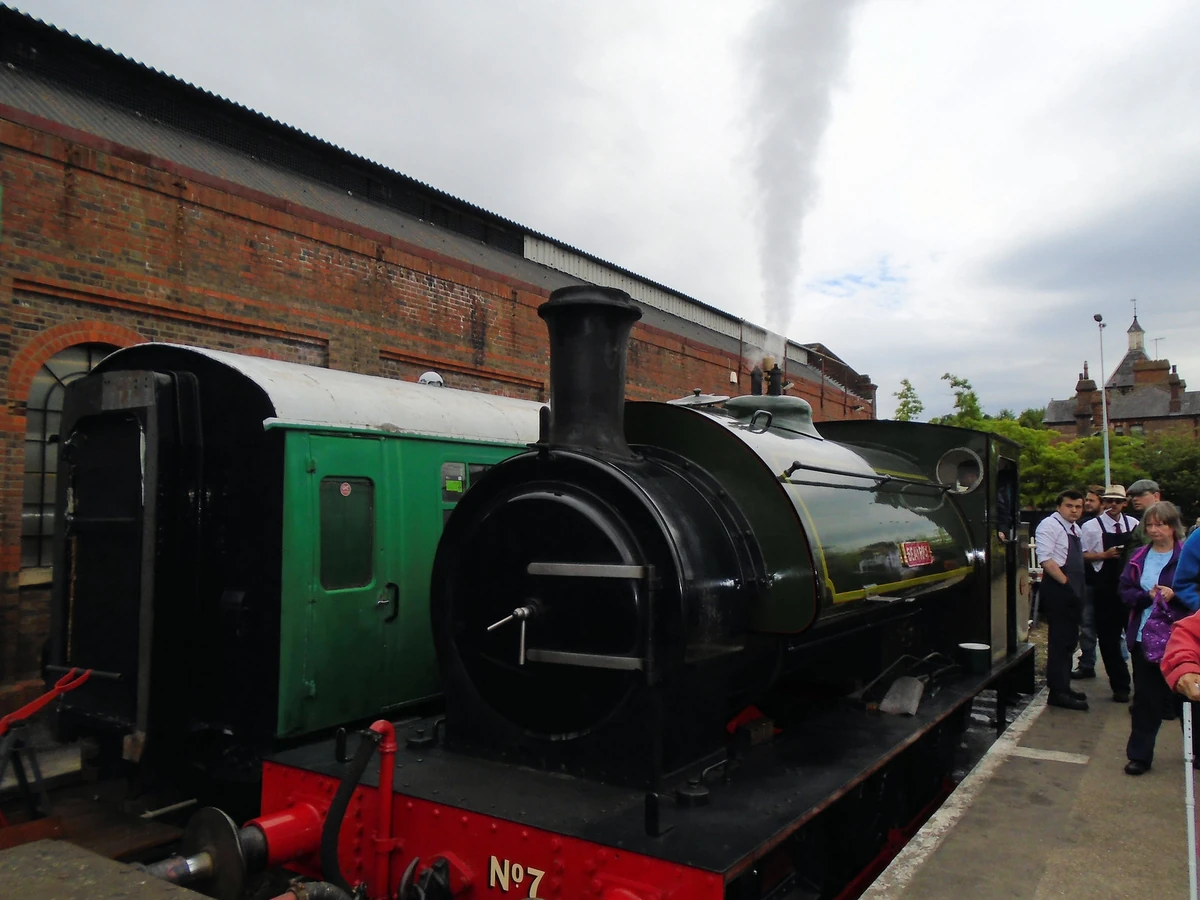
The Romney, Hythe & Dymchurch Railway is one of Kent’s most unusual railway experiences. Its 15-inch-gauge trains are approximately one-third the size of conventional mainline locomotives, yet the railway stretches for around 13½ miles between Hythe, New Romney and Dungeness, making it far more substantial than a typical miniature attraction.
The railway developed from the ambitions of Captain J. E. P. Howey and racing driver Count Louis Zborowski. The first section between Hythe and New Romney officially opened on 16 July 1927, with the extension to Dungeness following in 1928. Unlike several other heritage railways in Kent, it was purpose-built as a miniature railway rather than created by restoring an abandoned conventional passenger line.
Its history extends beyond tourism. During the Second World War the railway was requisitioned for military use, after which it returned to civilian operation and became an enduring part of Kent’s coastal tourism heritage. Visitors today travel across the open landscape of Romney Marsh, with stations serving places including Hythe, Dymchurch and New Romney before the route reaches the distinctive surroundings of Dungeness.
Both steam and diesel locomotives operate depending on the timetable. Ticket options also vary, with Rover tickets allowing more flexible travel across the network while station-to-station tickets suit passengers planning a simpler return journey. The combination of an unusually long route, miniature locomotives and a dramatic coastal landscape makes it unlike any other heritage railway in the county.
Sittingbourne & Kemsley Light Railway, Sittingbourne
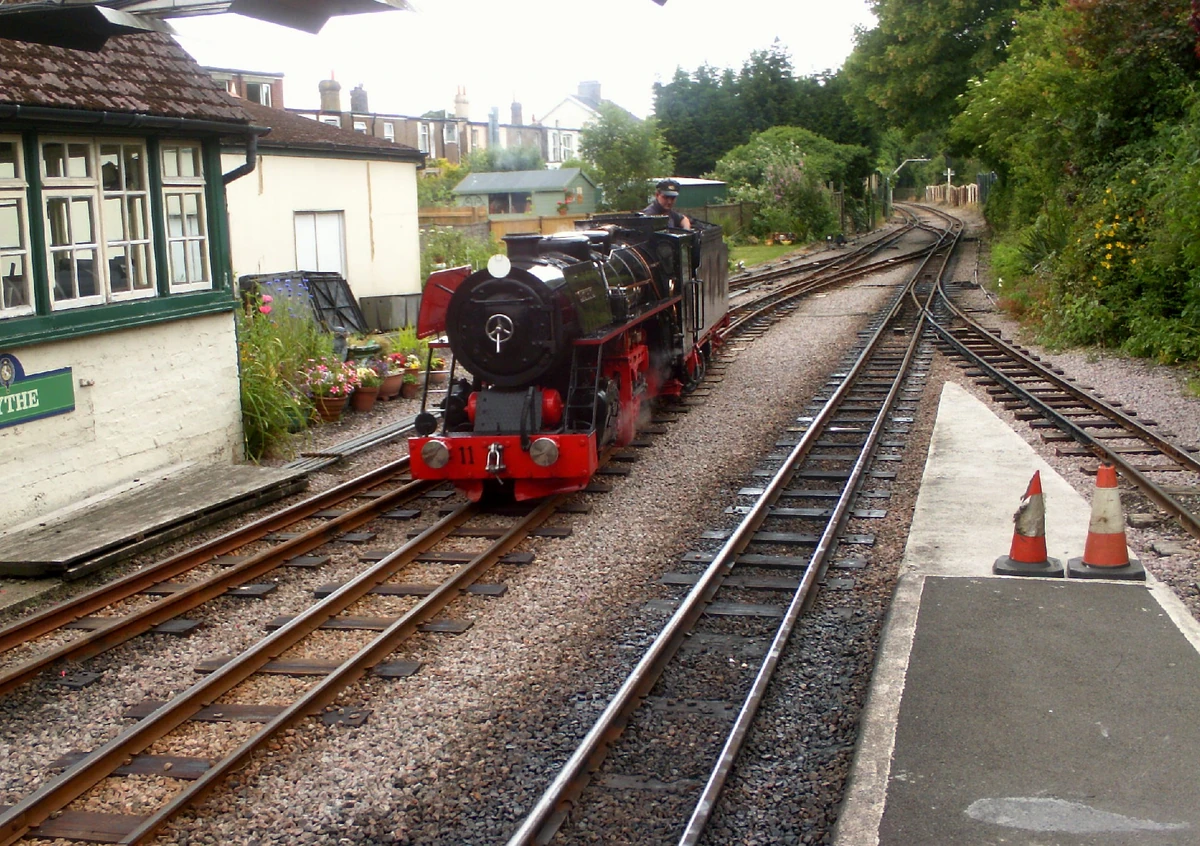
Sittingbourne & Kemsley Light Railway preserves part of a former industrial network rather than a conventional passenger line. Its route runs between Sittingbourne Viaduct and Kemsley Down and is closely connected with the paper industry that once dominated parts of Sittingbourne and Milton Creek.
Steam locomotives began operating on the industrial system in 1905, moving raw materials and finished products around the paper mills. The preserved railway continues to use locomotives and rolling stock associated with this working history, which gives the experience a very different character from lines designed primarily to carry passengers through rural scenery.
The journey begins at Sittingbourne Viaduct before crossing the historic concrete structure and following the landscape around Milton Creek towards Kemsley Down. It is relatively short, but the industrial equipment, railway infrastructure and connection with paper-making form much of the attraction.
Services are seasonal rather than daily. At the time of the November 2026 research, the railway had completed its regular season and was preparing for December Santa Specials before reopening for its 2027 programme. Anyone planning a visit should therefore check the current operating calendar rather than assuming trains run every weekend throughout the year.
Bredgar & Wormshill Light Railway, Near Sittingbourne
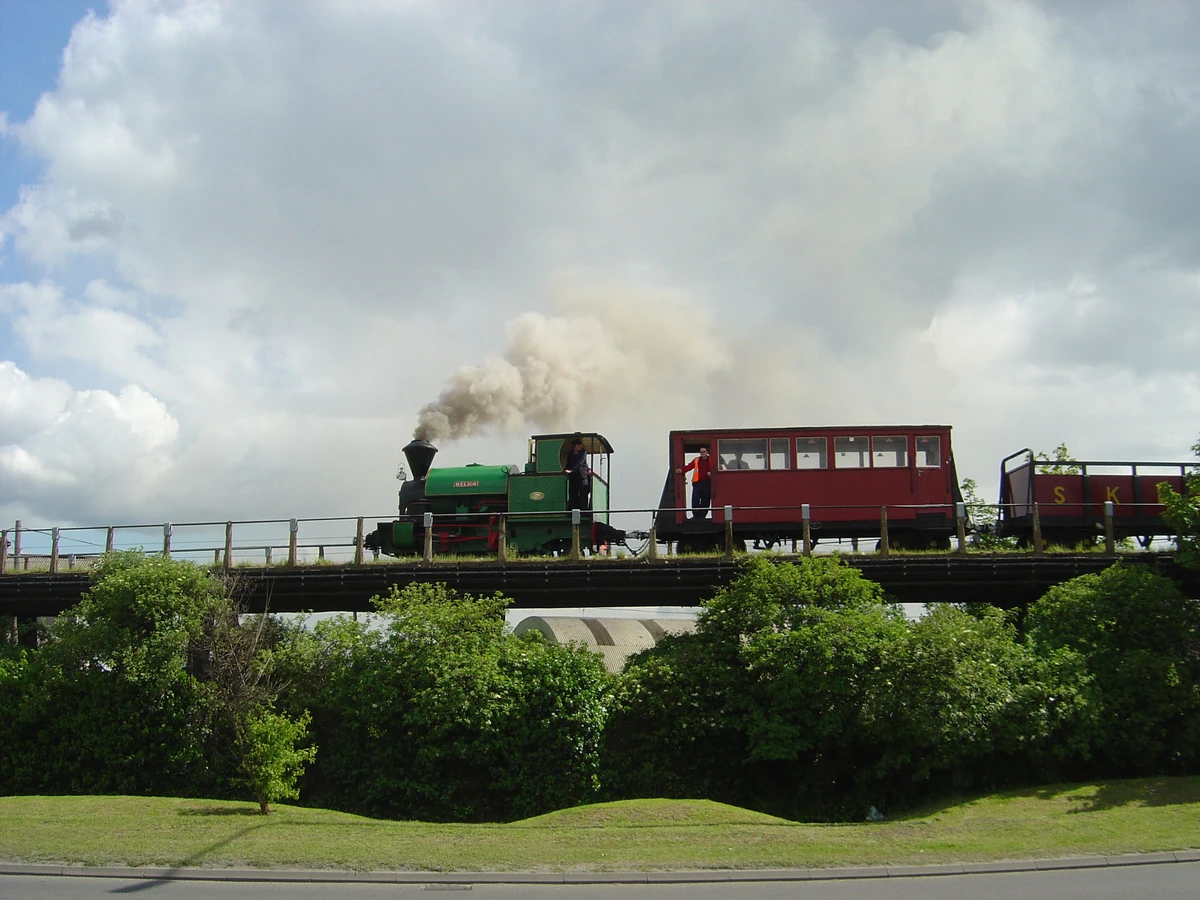
Bredgar & Wormshill Light Railway sits in woodland near Bredgar in the North Kent Downs and preserves a collection of narrow-gauge industrial locomotives, railway equipment and other examples of mechanical engineering. Its history differs fundamentally from Kent’s restored passenger and industrial routes because the railway itself was constructed specifically for preservation.
Development began in 1975, and the arrival of its first steam locomotive, Bronhilde, in 1979 helped establish the direction of the collection. The railway subsequently expanded with additional track, workshops, carriages and engineering exhibits, gradually developing into a substantial volunteer-supported preservation site.
Visitors can experience short narrow-gauge journeys through woodland while also exploring restored locomotives, workshops, preserved vehicles and other machinery. Its appeal lies as much in engineering history and restoration work as in the length of the train ride, making it particularly interesting for visitors who enjoy seeing how historic machinery is maintained and operated.
Steam does not run on every opening day. The 2026 programme included selected steam events alongside regular Wednesday running days and other seasonal activities, with diesel traction used on some ordinary operating dates. Checking the specific event information is therefore important if travelling specifically to see steam locomotives in action.
East Kent Railway, Shepherdswell
East Kent Railway operates between Shepherdswell and Eythorne and preserves part of a railway whose history is closely tied to the development of the Kent Coalfield. Rather than beginning primarily as a tourist or rural passenger route, the original railway helped connect mining communities and collieries with the wider railway network.
After industrial activity declined, preservation volunteers retained and restored part of the former line. The modern visitor experience includes heritage train journeys through chalk cuttings and Golgotha Tunnel, alongside a railway museum, signalling exhibits, miniature railway attractions and equipment connected with the coalfield’s railway history.
Its inclusion in a guide to Kent’s heritage railways is important because it preserves a very different part of the county’s economic past. Kent’s coalfield transformed communities in the east of the county, and the railway provides physical evidence of the transport infrastructure required to support that industry.
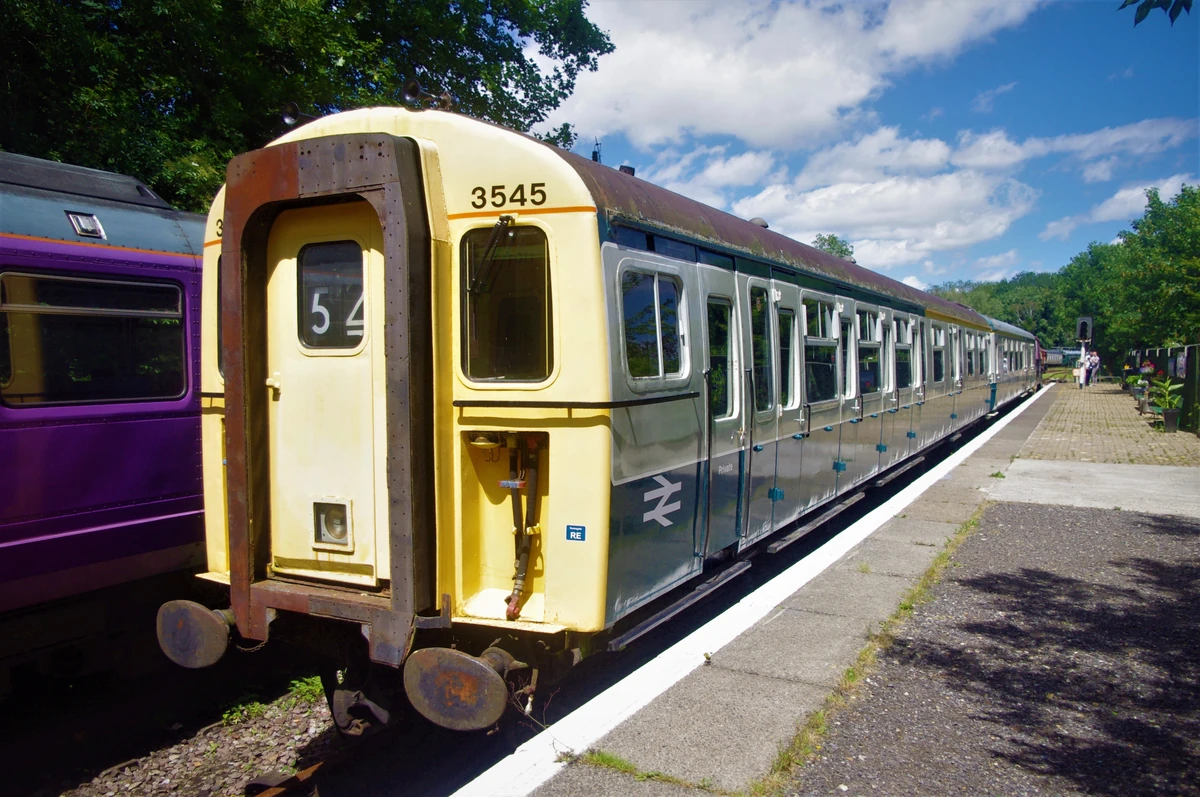
Visitors looking specifically for a steam journey should note an important distinction: East Kent Railway’s regular heritage services are primarily operated using restored diesel and electric rolling stock rather than steam locomotives. Seasonal operating dates and special-event arrangements vary, so current information should be checked directly before visiting.
How to Plan a Heritage Steam Train Journey in Kent
Heritage railways do not operate like ordinary National Rail services. Many are run largely by volunteers, operate seasonally or use different locomotives according to the day, so a little planning can make the difference between enjoying the journey you expected and discovering that the service you chose is not steam-hauled.
- Steam versus diesel services: check the actual operating timetable or locomotive roster. Kent & East Sussex Railway and Spa Valley Railway both schedule different types of traction, while Bredgar & Wormshill reserves steam for selected operating days.
- Operating dates: larger railways may run frequently during spring and summer, while smaller preservation lines can operate only on particular weekends, event days or during school holidays.
- Journey length: a return trip between Tenterden and Bodiam is a substantial countryside journey, whereas Sittingbourne & Kemsley and Bredgar & Wormshill offer shorter experiences where the historical equipment and surroundings are an important part of the visit.
- Ticket options: some railways offer standard returns, family tickets or special-event fares, while the Romney, Hythe & Dymchurch Railway also offers Rover tickets for passengers wanting greater flexibility.
- Advance booking: ordinary services may allow tickets to be bought on arrival, but dining trains, themed events and popular seasonal services can sell out and are better booked in advance.
- Accessibility: historic carriages, narrow platforms and older station infrastructure can create limitations. Check wheelchair spaces, boarding arrangements and accessible facilities directly with the railway before travelling.
- Families: consider the length of the journey, toilets, refreshments and how long younger children will comfortably remain on the train. A shorter industrial or miniature railway experience may suit some families better than a lengthy return trip.
- Dogs: policies vary between railways, carriages and special events, so check before travelling with a pet.
- Travel and parking: confirm which station you need to reach. Facilities can differ significantly between stations on the same railway, and the principal departure point is not always obvious from the railway’s name.
Several Kent heritage railways also operate Christmas services during November and December, but these usually have different booking arrangements and fares from ordinary operating days. If the main priority is travelling behind a steam locomotive rather than attending a themed event, the normal seasonal timetable is usually the most useful place to start.
Preserving Kent’s Railway Heritage for Future Generations
Kent’s heritage railways preserve far more than historic locomotives. Collectively they tell stories about rural passenger transport, seaside tourism, engineering, paper-making, coal mining and the industrial development of communities across the county. The contrast between a rural light railway at Tenterden, a miniature line across Romney Marsh and an industrial railway in Sittingbourne demonstrates how varied that history really is.
Keeping these railways operational requires considerable work. Volunteer organisations, preservation groups and railway trusts maintain track, restore vehicles, repair buildings and preserve specialist engineering knowledge that might otherwise disappear. Steam locomotives and historic rolling stock require ongoing maintenance, while even a relatively short preserved railway represents a substantial piece of infrastructure.
The result is history that can still be experienced rather than simply viewed behind glass. Travelling in an old carriage, hearing a steam locomotive working through the countryside or following an industrial line past the landscape it once served creates a direct connection with the people and industries that used these railways in the past.
Before setting out, check the official operating calendar and choose a railway that matches the experience you want. Whether that means a full-sized steam journey, a miniature train across Romney Marsh or an industrial railway preserved by volunteers, Kent offers several very different ways to experience its railway heritage.