
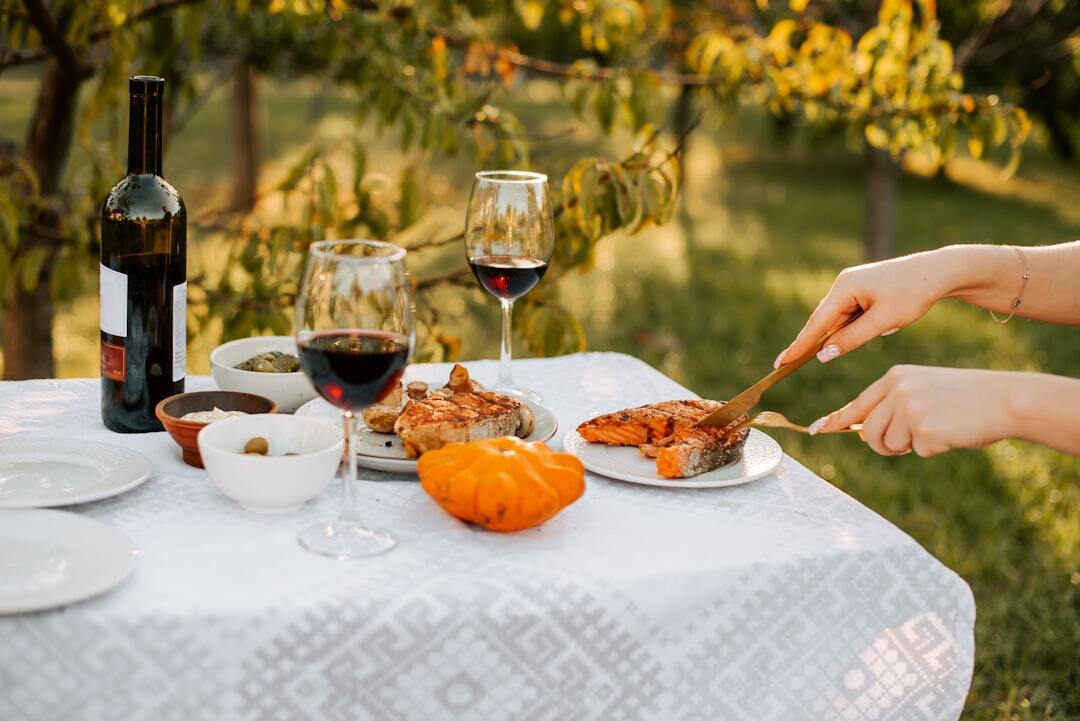
With summer officially behind us, autumn sets the stage for bold flavours, comfort food, and evenings best spent with a glass of wine and good company. Making the most of the season’s hearty, richly-textured dishes calls for a thoughtful approach to wine pairing. Finding the right balance between what’s on your plate and in your glass can elevate a simple meal into a memorable occasion.
Finding Balance: Principles of Autumn Wine Pairing
When pairing wine with hearty autumnal fare, the principle to remember is balance. Lighter, delicate dishes such as a poached fish or a simple salad pair well with equally delicate wines, ensuring neither overwhelms the other. Meanwhile, autumn’s signature roasted vegetables, slow-cooked stews, and robust casseroles call for wines with enough body and complexity to stand up to rich flavours. Earthy ingredients like mushrooms, root vegetables, and game can be complemented by reds or substantial whites that match their depth. Pairing food with wine is like adding the perfect seasoning: each element should bring out the best in the other rather than compete. Experimentation is encouraged, as variations in cooking styles and spice levels can shift the best wine partner for a dish.
Red Wines for Hearty Dishes: Body, Style and Food Matches
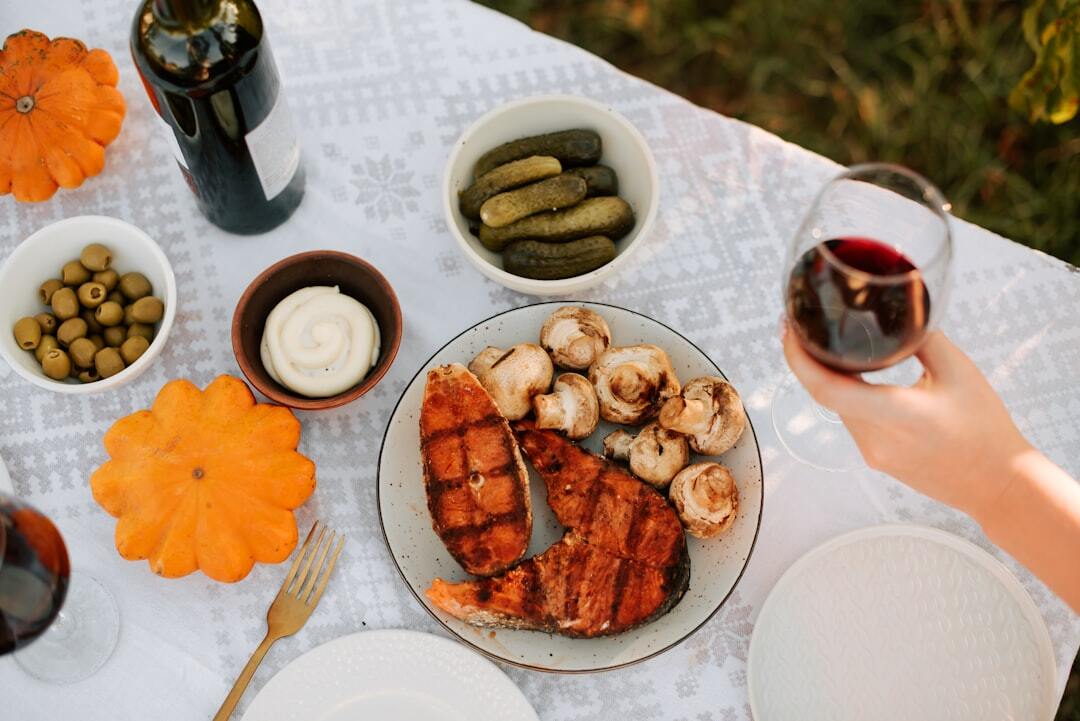
Red wines offer a spectrum of options to match autumn’s comforting dishes. Big, bold varietals such as Cabernet Sauvignon, Syrah or Shiraz, and Malbec are made for slow-cooked meats, braised beef, and deeply flavoured stews. Their tannins and intensity cut through the richness of dishes, adding layers of flavour. Medium-bodied reds like Merlot, Zinfandel, or Tempranillo are smooth choices that are versatile enough for a range of recipes, from roasted pork to tomato-based casseroles and even hearty vegetarian bakes. For lighter options like roast chicken or baked salmon, red wine can still work beautifully, lightweights such as Pinot Noir and Beaujolais offer elegance, bright fruit and subtle earthiness. In general, pairing food with red wine is as much about texture as it is about flavour; a silky Pinot Noir can elevate a rich mushroom risotto, while a Bordeaux blend stands up to a classic steak and roasted root vegetables.
The Wine Caverns Approach: Expert Pairing Strategies
According to expert advice from The Wine Caverns, successful pairings begin by understanding the body and style of both the wine and the dish. Big, robust reds, with power and structure, thrive alongside the weight and umami of hearty meat dishes, enhancing depth without overpowering. Medium-bodied reds bridge a range of possibilities, smoothing their way through recipes where spice or tomato could overwhelm fuller-bodied wines. Light-bodied reds, conversely, bring freshness and subtlety, making them exceptional companions for autumnal poultry or vegetable dishes. The real trick lies in matching the wine’s character to the primary ingredients and cooking method. For pizza, pasta bakes or rustic pies, the acidity in a well-chosen red, such as Sangiovese or Zinfandel, cuts through cheese and tomato sauces. For spicy dishes, opt for reds with suppressed tannins to keep the balance in check.
Beyond Red: Versatile Whites, Orange and Sparkling Wines
Autumnal pairings do not belong solely to red wine. Textured white wines, such as a full-bodied Chardonnay or a wine made with skin contact (so-called ‘orange’ wines), provide richness and structure that can compete with creamy soups, risottos and roasted squash dishes. Their acidity refreshes the palate while their weight complements roasted and caramelised flavours. Sparkling wines and rosé can also offer bright contrasts, particularly with fatty meats or fried starters, providing both a reset between bites and flexibility in courses to come. For the cheese board, wine and cheese truly are the perfect couple, white and sparkling wines can be as successful as reds, often providing cleaner pairings for creamy styles.
Appetisers, Cheeses and Sweet Finishes: Pairing Across the Meal
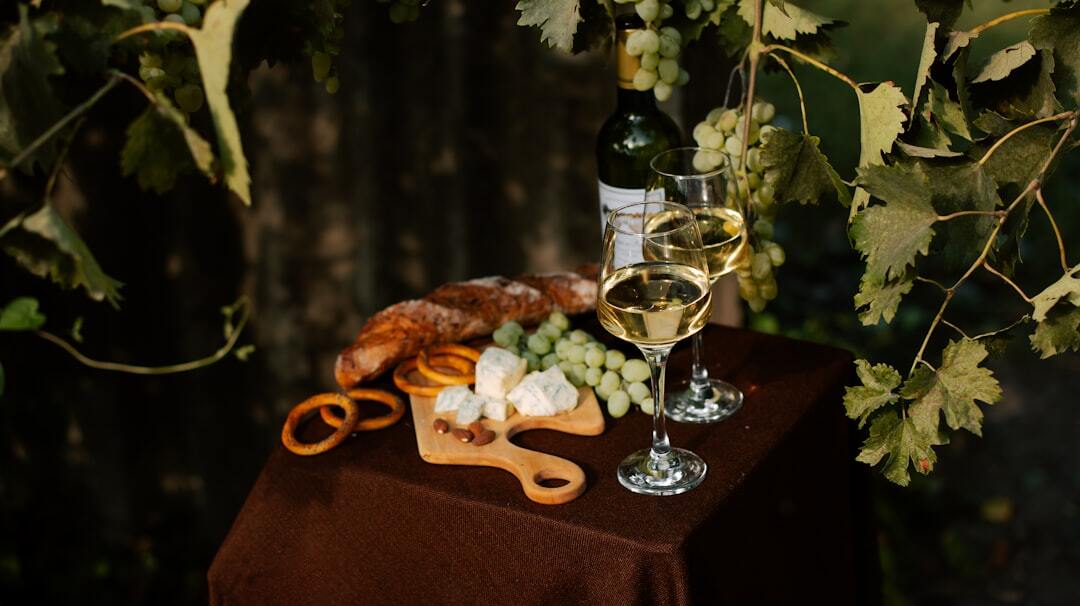
Choosing the best wines to accompany the start and end of your meal is crucial for balance. Crisp whites and sparkling wines work beautifully with lighter appetisers, canapés and fresh cheeses, preparing your palate for what follows. Medium-bodied reds can help transition from cheese platters into richer mains. For puddings, especially those featuring autumn fruits such as apple tarts or plum cakes, consider dessert wines, late-harvest options or even a well-chilled glass of Moscato or Sauternes to echo sweetness and spice. Presenting thoughtful pairings throughout a meal enhances both the food and the wine, and turns an autumn dinner into a true celebration of the season.
Tips for Pairing Success: Comfort, Confidence and Experimentation
For successful seasonal wine pairings, a few key ideas make the process fun and rewarding. Start with the body of the dish and seek a wine to match it, hearty stews, bold wines; lighter dishes, delicate wines. Look for complementary or contrasting flavours: earthy mushrooms invite earthy reds, while spicy fare can call for light reds with lower tannin. Visual presentation, including the colour and clarity of the wine alongside vibrant autumnal food, adds to the sense of occasion. Keep in mind that personal taste trumps tradition: wine is subjective, and finding your preferred partnerships, even if they break the so-called rules, is part of the pleasure. Above all, the aim is comfort, balance and a memorable meal.