
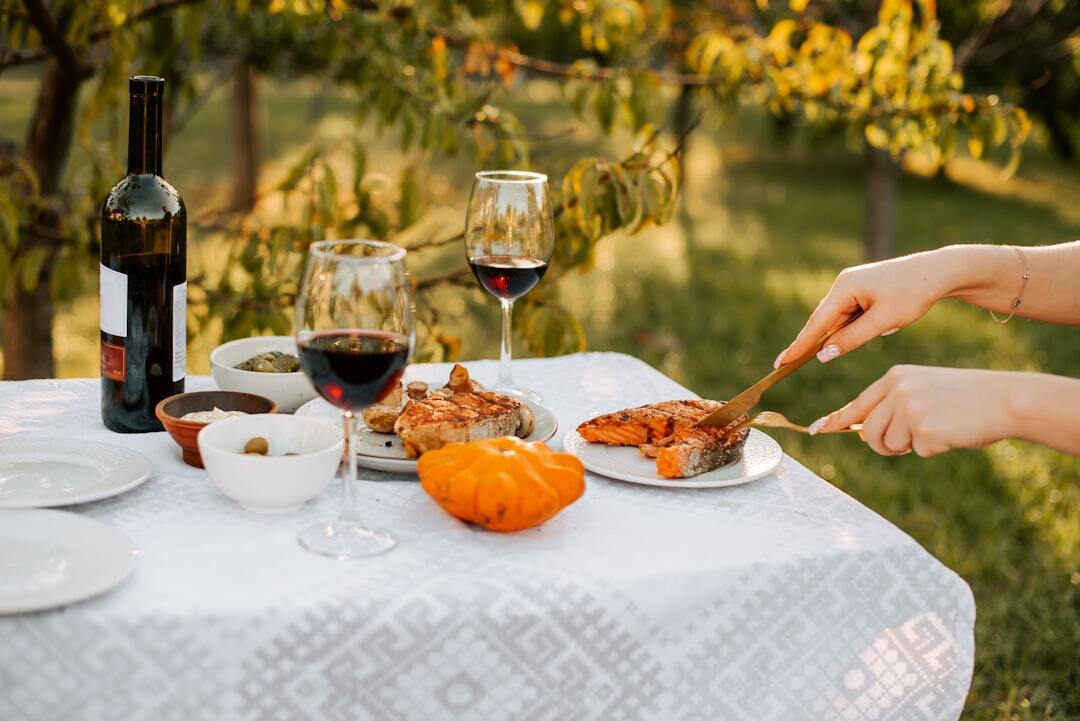
With summer behind us, autumn brings a different style of cooking to the table. Roasted vegetables, slow-cooked meats, creamy sauces, earthy mushrooms and warming casseroles replace lighter summer dishes, and the wines we choose can change with them.
The best wines for autumn dishes tend to have enough character to complement richer flavours without overpowering the food. That might mean a structured Cabernet Sauvignon beside braised beef, an earthy Pinot Noir with mushroom risotto, or a rounded Chardonnay with roast chicken and creamy sauces.
Wine pairing does not need to be complicated. Understanding a few basic principles makes it much easier to choose bottles that work with everything from autumn comfort food and Sunday roasts to vegetarian dishes, cheese boards and seasonal puddings.
Why Autumn Food Calls for Richer, More Characterful Wines
Autumn cooking naturally introduces deeper flavours and heavier textures. Roasting caramelises vegetables, slow cooking intensifies meat and sauces, while ingredients such as mushrooms, squash, game, root vegetables and mature cheeses bring earthy and savoury notes to the plate.
As food becomes richer, wine generally needs more structure to remain noticeable alongside it. A very delicate white wine can disappear beside a beef casserole, just as an intensely tannic red might overwhelm a light vegetable dish. The key is to consider the overall weight of the meal rather than simply whether it contains meat, fish or vegetables.
Autumn dishes also tend to feature more butter, cream, gravy, herbs and spices than many summer meals. These additions can completely change the best wine pairing. A simple roast chicken can work with a light Pinot Noir, but add a rich cream sauce or buttery gratin and a fuller Chardonnay may become the better choice.
The aim is balance. The wine and food should feel as though they belong at the same table, with neither dominating the other.
How to Pair Wine with Hearty Autumn Dishes
Successful autumn wine pairing is less about memorising rigid rules and more about understanding how weight, acidity, tannin and flavour interact. Once those principles are familiar, it becomes much easier to make good choices even when a dish does not have an obvious textbook pairing.
Match the Weight of the Wine to the Dish
One of the simplest principles is to match lighter foods with lighter wines and more substantial dishes with fuller-bodied styles.
A slow-cooked beef stew can handle the depth of Cabernet Sauvignon, Malbec or Syrah because the dish has enough richness and intensity to stand up to the wine. Roast chicken, by contrast, may be better suited to Pinot Noir or a fuller-bodied Chardonnay, both of which offer enough character without overwhelming the meat.
A mushroom tart, vegetable risotto or squash-based dish sits somewhere between the two. These dishes may have substantial flavour, but they often benefit from a wine with freshness rather than sheer power.
The cooking method matters as much as the main ingredient. Roast chicken with crisp skin, gravy and root vegetables requires a different wine from simply poached chicken, despite both dishes using the same meat. Grilling, roasting, braising and slow cooking all concentrate flavour, which usually allows for a more expressive wine.
Use Acidity to Balance Rich and Creamy Foods
Acidity gives wine freshness and can help prevent a rich dish from feeling heavy. This becomes particularly important during autumn, when cream, cheese, butter and slow-cooked sauces feature more frequently.
This is why wines with good acidity work so well with creamy pasta, cheese-based dishes, buttery sauces and fatty meats. Chardonnay, Chenin Blanc, Sangiovese and Pinot Noir can all provide enough freshness to cut through richness while still complementing autumn flavours.
Acidity also helps when food contains naturally sweet ingredients such as roasted carrots, parsnips or squash. A fresh wine can keep those sweeter flavours in balance and stop the whole pairing becoming cloying.
As a general rule, if a dish feels rich or creamy on the palate, look for a wine that brings some lift and freshness rather than simply matching richness with more richness.
Think About Tannins When Pairing Wine with Meat
Tannins create the drying sensation found in many red wines and are particularly useful when pairing wine with rich meat dishes. Protein and fat can soften the impression of tannin, which is why structured red wines often feel smoother alongside beef or lamb than they do when tasted alone.
Beef, lamb and venison can stand up to Cabernet Sauvignon, Syrah, Malbec and Bordeaux-style blends. These wines offer enough structure and depth to complement slow-cooked or roasted meat without disappearing beside it.
Lighter meats and vegetable dishes generally suit wines with softer tannins. Pinot Noir, Grenache and some Merlots are therefore often safer choices where the dish is more delicate.
This is one reason Pinot Noir can be so effective with roast poultry and mushrooms: it provides red-wine character, acidity and savoury complexity without the aggressive tannin that might dominate the food.
Match Earthy and Savoury Flavours Rather Than Just Ingredients
Instead of focusing only on whether a dish contains chicken, beef or vegetables, think about its overall flavour profile.
Mushrooms, lentils, roasted squash and root vegetables can have substantial earthy depth, while herbs, spices, gravy and sauces may ultimately determine which wine works best. A mushroom risotto, for example, is not simply a rice dish; it is creamy, earthy and savoury, which is why Pinot Noir and Chardonnay both work so naturally with it.
Likewise, a tomato-rich casserole may call for a wine with good acidity, while a heavily spiced dish may need softer tannins and generous fruit rather than a powerful Cabernet.
Pairing wine with food is much like seasoning a dish. The goal is for each element to make the other taste better rather than compete for attention.
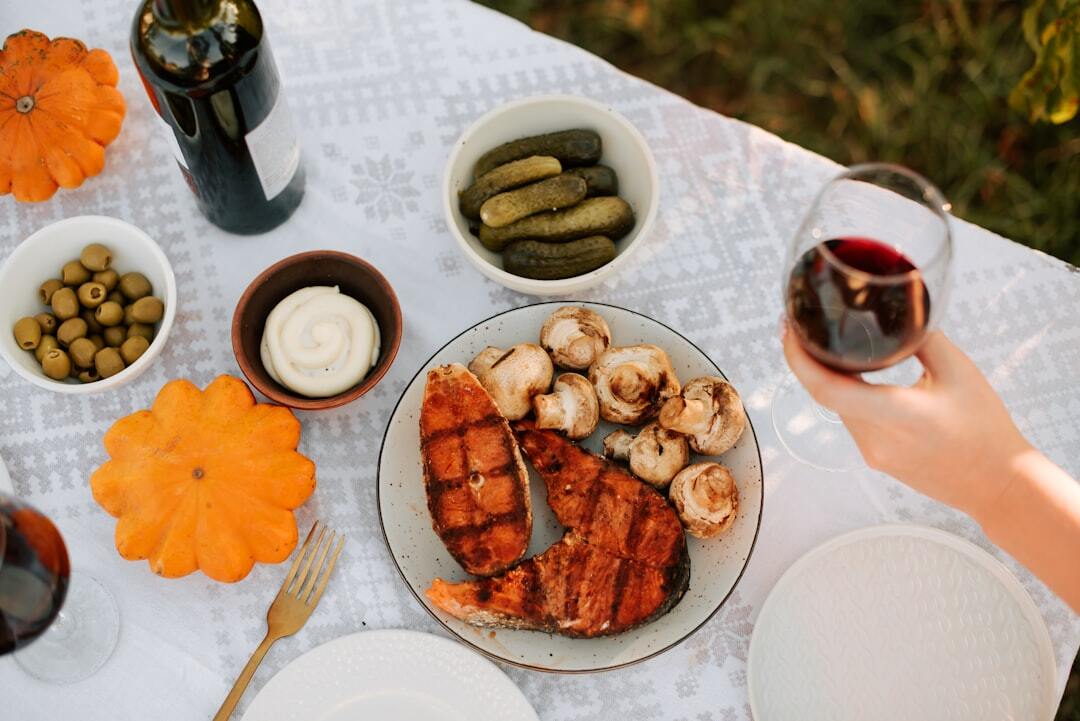
Best Red Wines for Autumn Food
Red wines naturally come into their own as temperatures fall, particularly alongside slow-cooked meat, roasts, mushrooms and deeply flavoured sauces.
However, bigger is not always better. The best red depends on the weight and character of the dish, and some of the most successful autumn pairings use lighter reds rather than the most powerful bottles available.
Pinot Noir – Ideal for Mushrooms, Pork and Roast Poultry
Pinot Noir is one of the most versatile autumn reds. Its combination of bright acidity, red-fruit flavours and subtle earthy notes makes it particularly good with mushrooms, roast poultry and pork.
With mushroom risotto, Pinot Noir echoes the earthy flavour of the fungi while its acidity cuts through butter, cheese and cream. With roast chicken or duck, it brings enough structure to complement browned skin and gravy without overpowering the meat.
Pork is another excellent match, especially when the dish includes apple, herbs or roasted vegetables. The wine’s freshness helps balance the sweetness of fruit-based sauces and the richness of the meat.
It is also a useful choice when you want a red wine that will carry across several courses, particularly at an autumn dinner where both vegetable and meat dishes are being served.
Syrah and Shiraz – A Natural Match for Stews, Lamb and Game
Syrah and Shiraz offer darker fruit, spice and more body, making them natural partners for intensely flavoured dishes.
Lamb casserole, venison, beef stew and roasted meats all work well, particularly when black pepper, rosemary, thyme or smoky flavours are involved. The peppery, savoury quality found in many Syrah-based wines can mirror the seasoning used in autumn cooking particularly well.
The style can vary considerably depending on where the wine is produced. Cooler-climate Syrah often feels more savoury and peppery, while warmer-climate Shiraz can be fuller, riper and more fruit-driven.
Both approaches can work in autumn, but the more robust the dish, the easier it is to accommodate a richer style of wine.
Cabernet Sauvignon – Best with Rich Beef and Slow-Cooked Dishes
Cabernet Sauvignon has the body and tannin required for some of autumn’s most substantial dishes.
Braised beef, steak, beef casserole and slow-cooked meat served with roasted root vegetables are classic matches because the food has enough protein and richness to soften the wine’s structure.
Cabernet also works well with dishes featuring deeply browned flavours, whether from roasting, grilling or reduction sauces. Those savoury notes can echo the darker fruit and oak character found in many examples of the wine.
Because Cabernet can be powerful, it generally works best when the food has enough richness to match it. It is usually less successful with delicate poultry, lightly cooked vegetables or subtle creamy dishes.
Grenache – A Softer Red for Roasted Vegetables and Spiced Food
Grenache can be a useful alternative when you want warmth and generous fruit without especially aggressive tannins.
Its softer character works nicely with roasted vegetables, pork, tomato-based casseroles and gently spiced dishes. The ripe fruit found in many Grenache-based wines can also complement the natural sweetness that develops when squash, peppers or root vegetables are roasted.
Grenache-led blends are particularly useful at informal autumn dinners because they tend to be forgiving across a range of foods. They can handle meat, vegetables and tomato-rich sauces without being so dominant that every dish has to be built around the wine.
Best White Wines for Hearty Autumn Dishes
Autumn wine does not have to mean red. Fuller, more textured white wines can be excellent with richer seasonal food and sometimes offer a better pairing than red wine altogether.
Rich whites are particularly useful with creamy sauces, roast poultry, squash, mushrooms and dishes containing cheese. Their acidity keeps the pairing fresh, while their texture allows them to stand up to more substantial food.
Oaked Chardonnay – Perfect with Creamy Sauces and Roast Chicken
A fuller-bodied Chardonnay works particularly well with roast chicken, creamy pasta, mushroom dishes and buttery sauces.
Oak-aged styles can bring flavours of vanilla, toast and spice that echo the richness and roasted character of autumn food. This makes them a particularly natural match for roast poultry, gratins, creamy risottos and dishes finished with butter.
Good acidity remains important, helping prevent the combination from becoming overly heavy. The best pairings have enough richness to match the food while retaining freshness through the finish.
Chardonnay can also be a better choice than red wine when a dish contains delicate meat but a rich sauce, because it complements the richness without introducing tannin.
Viognier – A Good Match for Squash, Root Vegetables and Aromatic Spices
Viognier’s fuller texture and aromatic character can complement sweet roasted vegetables particularly well.
Butternut squash, pumpkin, sweet potato and dishes seasoned with warming spices can all pair successfully with it. The wine’s floral and stone-fruit character can mirror the natural sweetness of the vegetables without making the overall pairing feel sugary.
It can also work with gently spiced chicken and creamy vegetable dishes where a lighter white might feel too delicate.
Because Viognier can be quite aromatic, it is best paired with food that has enough character of its own rather than very subtle dishes.
Chenin Blanc – Versatile Enough for Pork, Cheese and Autumn Vegetables
Chenin Blanc can combine freshness with considerable texture, making it one of the more adaptable white wines for autumn cooking.
Depending on the style, it can pair with roast pork, creamy cheese, squash, root vegetables and rich poultry dishes. Drier styles are particularly useful when the food contains cream or cheese because their acidity cuts through richness.
Examples with a touch of sweetness can also work well with pork dishes involving apple or gently spiced food, where a completely bone-dry wine may feel too austere.
This versatility makes Chenin Blanc particularly useful when several dishes are being served at once.
Richer White Wines Can Work Better Than Red with Some Autumn Dishes
It is worth ignoring the idea that rich food automatically requires red wine.
A creamy chicken casserole, roast poultry or squash risotto can often work more naturally with a substantial white wine because the acidity refreshes the palate while the texture mirrors the richness of the dish.
White wine also avoids the tannin that can clash with certain creamy, egg-based or subtly flavoured foods. This makes fuller whites particularly useful for dishes involving cheese sauces, creamy mushrooms or delicate meats.
If a meal feels rich but not especially meaty, a textured white is often one of the safest and most rewarding options.
What Wine Goes Best with Classic Autumn Comfort Food?
Sometimes the easiest way to choose a wine is simply to start with what you are cooking. Autumn comfort food tends to rely on slow cooking, roasting and richer sauces, all of which have a direct impact on the best match.
Beef Stew and Red Wine
Slow-cooked beef needs a wine with enough structure to remain present beside the meat and sauce.
Cabernet Sauvignon, Malbec and Syrah are all strong options. Cabernet offers structure and dark fruit, Malbec brings richness and softness, while Syrah adds savoury spice.
If the stew contains plenty of herbs or black pepper, Syrah can be particularly effective. A tomato-heavy version may work better with something that has brighter acidity.
Lamb Casserole and Syrah
Lamb and Syrah are natural partners, particularly when rosemary, thyme, garlic or pepper feature in the dish.
The wine’s dark fruit and savoury spice complement the meat without masking its flavour, while its tannins have enough structure to deal with the richness of slow-cooked lamb.
If the casserole is particularly rich, a fuller Shiraz can work well; for a more herb-led dish, a peppery Syrah may feel more precise.
Mushroom Risotto and Pinot Noir or Chardonnay
Mushrooms provide an earthy quality that makes them unusually wine-friendly.
Pinot Noir echoes those savoury notes while providing enough acidity to refresh the palate. A rounded Chardonnay is an excellent alternative when the risotto is particularly creamy.
The choice between red and white largely depends on the richness of the dish. A lighter mushroom risotto may suit Pinot Noir, while one finished with substantial butter, cream or Parmesan may favour Chardonnay.
Roast Chicken and Oaked Chardonnay
Roast chicken is versatile enough to work with both red and white wine, but a well-balanced oaked Chardonnay is particularly reliable.
The wine complements browned skin, butter, gravy and roasted vegetables while retaining enough acidity to stop the meal feeling heavy.
If the chicken is accompanied by mushrooms or darker gravy, Pinot Noir becomes an equally attractive option. This makes roast chicken one of the easiest autumn dishes around which to build a flexible wine pairing.
Roast Pork and Pinot Noir
Pork often benefits from a red that is lighter and fresher rather than heavily tannic.
Pinot Noir works particularly well, especially when the dish includes apple, herbs or roasted vegetables. The wine’s red fruit can complement apple-based sauces while its acidity keeps the richness of the meat in check.
For pork served with sweeter glazes or fruit, a textured Chenin Blanc can also be worth considering.
Venison and Game with Full-Bodied Red Wine
Game dishes generally have more intensity than poultry and can comfortably handle fuller-bodied reds.
Syrah, Cabernet Sauvignon and mature Bordeaux-style blends can all complement venison and similar meats. Earthy, peppery and savoury wines often work particularly well because they mirror the deeper flavours associated with game.
Fruit-based sauces can alter the pairing slightly. If the dish includes blackberry, plum or redcurrant, a wine with generous dark-fruit character can create a particularly harmonious match.
Butternut Squash and Pumpkin Dishes with Viognier or Chenin Blanc
The natural sweetness of squash and pumpkin works beautifully with textured white wines.
Viognier complements aromatic spices and caramelised flavours, while Chenin Blanc provides freshness when the dish includes cheese or cream.
These wines also work particularly well when squash is combined with sage, nuts or browned butter, because they have enough weight to complement richer accompaniments.
Wine Pairings for Vegetarian Autumn Dishes
Vegetarian autumn food can be every bit as rich and complex as meat-based cooking, particularly when it involves roasting, mushrooms, pulses and cheese.
The key is to look at texture, seasoning and cooking method rather than assuming vegetarian food requires a light wine.
Roasted Root Vegetables
Carrots, parsnips, beetroot and squash become sweeter and more concentrated when roasted.
Grenache, Pinot Noir, Viognier and Chenin Blanc can all work, depending on the seasonings and accompaniments. Grenache is particularly useful where the vegetables have been heavily roasted or served with herbs, while Viognier works nicely with sweeter, aromatic flavours.
If cheese, nuts or grains are added, the dish can usually handle a wine with more body than the vegetables alone might suggest.
Mushroom-Based Dishes
Pinot Noir remains one of the classic choices for mushrooms because the wine’s earthy character complements their savoury depth.
For creamy mushroom pasta or risotto, Chardonnay can work equally well. The creamier and richer the sauce, the more useful the weight and acidity of a fuller white become.
Mushroom pies and tarts can also pair nicely with lighter reds, especially when thyme, caramelised onions or cheese are involved.
Lentil, Bean and Vegetable Stews
Medium-bodied reds are usually more successful here than exceptionally powerful wines.
Merlot, Grenache and Tempranillo can complement tomato, herbs and earthy pulses while allowing the vegetables to remain the focus. These wines offer enough fruit and body for the richness of the stew without overwhelming it.
If the dish is heavily spiced, softer tannins are usually preferable because high tannin can make chilli and spice feel more aggressive.
Autumn Risottos and Creamy Pasta
Acidity becomes especially important with creamy dishes.
Chardonnay, Chenin Blanc or Pinot Noir can all bring enough freshness to offset butter, cream and cheese without clashing with seasonal vegetables.
Squash risotto, mushroom pasta and dishes involving sage or browned butter all benefit from wines that combine freshness with some texture.
A light, crisp white can sometimes feel too thin, while a very full red may overpower the dish. Medium-bodied wines usually provide the best balance.
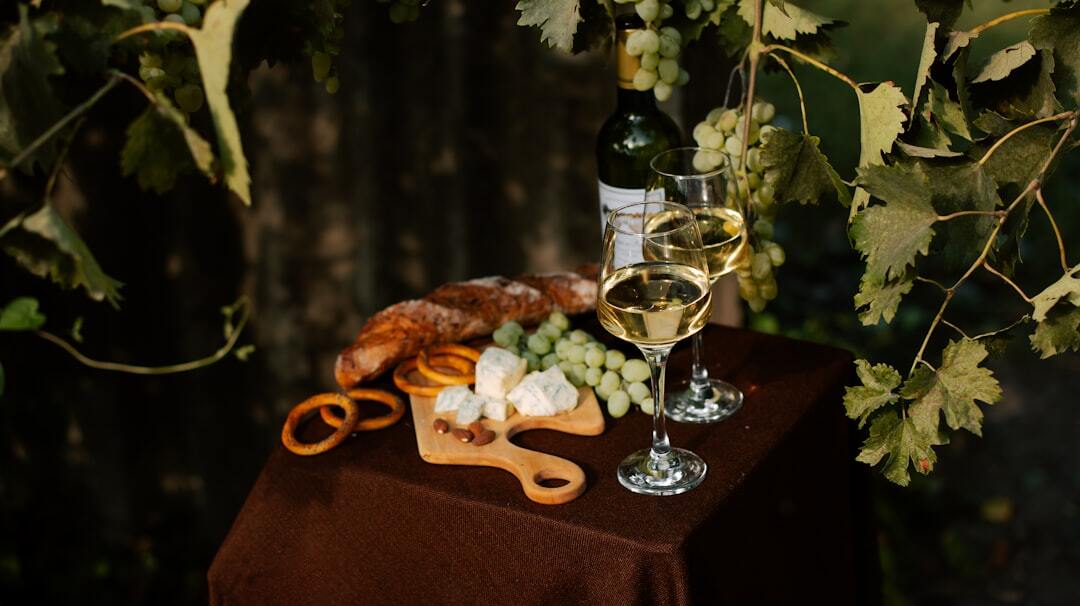
Which Wines Work Best with Autumn Cheese Boards?
An autumn cheese board is an ideal opportunity to experiment because different cheeses respond to wine in very different ways.
Rather than choosing one powerful red for the entire board, it is often better to think about texture and intensity. Hard cheeses, soft cheeses and blue cheeses each create very different pairing opportunities.
Hard Cheeses with Cabernet Sauvignon and Rioja
Mature Cheddar and other firm, strongly flavoured cheeses can cope with structured red wines.
Cabernet Sauvignon, Rioja and other medium-to-full-bodied reds can provide enough intensity to match mature flavours, particularly when the cheese has nutty, savoury or crystalline characteristics.
Older cheeses generally cope better with tannin than very young cheeses, which can sometimes make red wine feel more astringent.
Soft Cheeses with Chardonnay and Sparkling Wine
Creamy cheeses often work better with white or sparkling wine than with tannic reds.
Chardonnay provides enough body for richer cheeses, while the acidity and bubbles of sparkling wine help cleanse the palate between bites.
This is particularly useful with soft-ripened cheeses, where a heavy red can overwhelm the subtle flavour and make the rind taste more bitter.
Blue Cheese with Port and Sweeter Wines
Blue cheese creates an intense combination of saltiness and richness, making sweet wines particularly effective partners.
Port and other dessert wines create a contrasting pairing where sweetness balances the salt and strong flavour of the cheese.
The more powerful the blue cheese, the more concentrated the wine can be. This is one of the clearest examples of contrast working better than trying to match similar flavours.
Don’t Forget Orange Wines, Sparkling Wines and Lighter Reds
Some of the most interesting autumn pairings sit outside the traditional red-versus-white choice.
Orange wines, made by allowing white grapes to remain in contact with their skins during production, can have the texture and structure needed for roasted vegetables, mushrooms and strongly seasoned dishes. They can be particularly interesting with food that sits awkwardly between traditional red- and white-wine pairings.
Sparkling wine is another useful option, particularly with fried starters, creamy cheeses and richer appetisers. Its acidity and bubbles provide contrast rather than trying to match the weight of the food.
Light reds such as Pinot Noir and Beaujolais are particularly versatile where a dinner includes several courses or a mixture of meat and vegetable dishes. Slightly chilling them can also make them feel fresher and more flexible at the table.
Wine Pairings for Autumn Puddings
The final course requires a slightly different approach. As a general principle, the wine should be at least as sweet as the pudding. A dry wine served against a sweet dessert can suddenly taste thin, sour or unusually bitter.
Apple tarts, baked pears and plum-based desserts can work with late-harvest wines and other sweet styles, while Moscato can complement lighter fruit puddings. Spiced apple or pear desserts may also suit wines with honeyed or floral characteristics.
Rich desserts may call for something more concentrated, while cheese can provide an alternative final course for anyone who would rather return to red wine or Port.
It is also worth serving dessert wines in smaller measures. Their sweetness and concentration mean a little can go a long way, particularly after a substantial autumn meal.
How Serving Temperature Can Improve Autumn Wine Pairings
Even a good pairing can be undermined if the wine is served at the wrong temperature.
Red wine does not necessarily need to be warm. Lighter reds such as Pinot Noir can benefit from being served slightly cool, while fuller reds generally show better below the temperature of a heavily heated room. If a red feels overly alcoholic or heavy, a small reduction in serving temperature can make it feel fresher.
Likewise, richer whites should not always be served ice-cold. Excessive chilling can suppress aroma and flavour, which matters particularly with Chardonnay, Viognier and other textured wines.
Allowing a fuller white to warm slightly in the glass can reveal more complexity and make it feel more naturally matched to rich autumn food.
Choosing Wine for an Autumn Dinner Party
If you are serving several courses, there is no need to find a separate bottle for every plate.
A versatile sparkling wine or fresh white can cover appetisers, followed by a Pinot Noir or medium-bodied red that works across several main-course options. A sweeter wine or Port can then accompany pudding or cheese.
Consider the overall menu rather than each ingredient in isolation. If the main course contains rich sauces and roasted flavours, choose a wine with enough character to match them. If several dishes contain spice, avoid excessively tannic reds that could exaggerate the heat.
It can also be useful to choose wines that overlap between courses. A good Chardonnay might carry from a starter into roast chicken, while Pinot Noir may work with mushroom dishes, poultry and a cheese course.
Most importantly, choose wines you and your guests actually enjoy. Food and wine pairing should make dinner more pleasurable, not turn it into an exercise in following rules.
Simple Rules to Remember When Pairing Wine with Autumn Food
- Match weight with weight: substantial dishes usually need wines with enough body to stand alongside them.
- Use acidity to cut through richness: particularly with cream, cheese, butter and fatty meat.
- Save highly tannic reds for richer proteins: such as beef, lamb and game.
- Think about sauces and cooking methods: they can influence the pairing more than the main ingredient.
- Do not overlook white wine: textured whites can be excellent with roast poultry, squash, mushrooms and creamy dishes.
- Experiment with lighter reds and sparkling wines: particularly when serving several courses.
- Let personal taste guide you: the best pairing is ultimately one that makes both the wine and the food more enjoyable.
Autumn offers some of the most rewarding opportunities for pairing food and wine. Slow-cooked meats, roasted vegetables, mushrooms, warming spices and mature cheeses provide enough depth to explore richer reds, textured whites and less obvious choices such as orange and sparkling wines.
Rather than searching for a single perfect bottle, focus on balance between the weight, texture and flavours of the dish and the wine beside it. Get that relationship right and even a simple autumn supper can feel like something worth lingering over.