
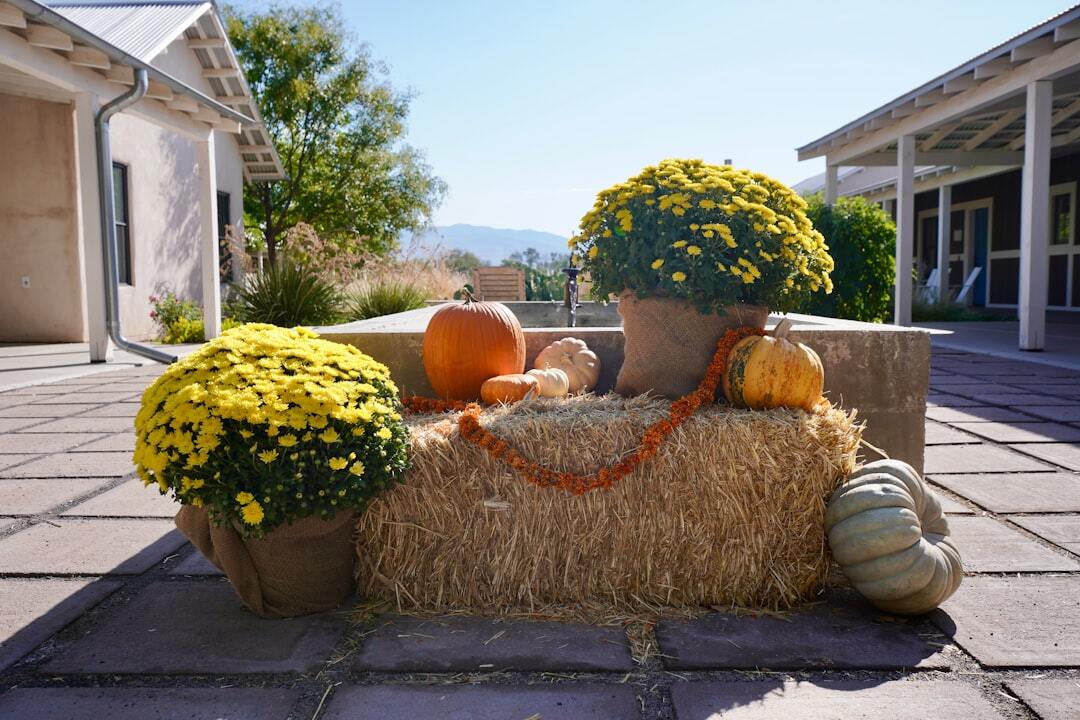
Autumn has its own decorating palette before you buy a single accessory. Burnished leaves, sculptural branches, seed heads, apples, pumpkins, berries and dried grasses bring the colours and textures of the season indoors in a way that feels warmer and more individual than mass-produced decorations.
Using natural harvest materials to decorate your home can also be remarkably simple. A few branches in a large vase, a bowl filled with seasonal apples or a handmade wreath of foliage can completely change the mood of a room without requiring a full seasonal makeover.
The key is restraint. Rather than covering every surface with autumn decorations, choose a handful of natural materials and repeat them throughout your home. The result feels considered, seasonal and much easier to adapt as autumn moves towards winter.
Bring the Colours and Textures of Autumn Indoors
Before collecting pumpkins or reaching for the secateurs, think about the atmosphere you want to create. Autumn interiors tend to work best when their colours are borrowed directly from the landscape.
Rust, ochre, moss green, burgundy, warm brown and muted orange all sit naturally alongside neutral shades such as cream, stone and oatmeal. You do not need every colour at once. Picking two or three and repeating them creates a calmer and more cohesive look.
Build an Autumn Colour Palette From Nature
Look outside before deciding what belongs indoors. A branch of turning leaves can establish an entire colour scheme, while the dusty green of eucalyptus, deep burgundy foliage or pale dried grasses can create a more understated alternative to traditional orange.
Natural materials also introduce subtle variations that manufactured decorations rarely reproduce. No two leaves, gourds or seed heads are identical, which is part of what makes an arrangement feel relaxed rather than overly styled.
Mix Colour With Texture
Autumn decorating is as much about texture as colour. Smooth pumpkins look particularly effective beside rough bark, dried grasses, woven baskets and soft linen.
Try combining hard and soft surfaces rather than filling a display with one type of object. A wooden table topped with a linen runner, small gourds, foliage and simple ceramic candleholders will usually feel richer than a collection of decorations all bought from the same range.
Natural Materials to Look for This Autumn
Many of the best autumn decorations begin with materials already available in gardens, markets and seasonal produce displays.
Your own garden is the easiest place to start. When collecting elsewhere, stick to places where you have permission and avoid taking large quantities from areas where plants and fallen materials provide food or shelter for wildlife.
Autumn Leaves and Colourful Branches
A single branch can make more impact than a complicated flower arrangement. Look for interesting shapes and leaves that are beginning to turn red, bronze or yellow.
Taller branches work particularly well in floor-standing vessels or oversized vases, while smaller cuttings can be incorporated into wreaths, table decorations and mantel displays.
Seed Heads, Dried Grasses and Garden Cuttings
Do not assume everything in the garden has finished being decorative once the flowers fade. Hydrangea heads, ornamental grasses, honesty, teasels and many other seed heads develop beautiful shapes and muted colours as they dry.
They can be displayed individually or combined with fresh foliage to create arrangements that gradually become more rustic as the season progresses.
Pine Cones, Acorns, Conkers and Twigs
Small natural finds are useful for filling gaps in larger arrangements. Pine cones work well in bowls, wreaths and table centrepieces, while acorns and conkers can be scattered more sparingly amongst candles or seasonal foliage.
Twigs and flexible stems can also become useful structural materials for wreaths and garlands.
Pumpkins, Squashes and Gourds
Harvest produce is one of the easiest ways to decorate for autumn because it brings both colour and sculptural form into a room.
Look beyond large orange pumpkins. Green, cream, striped and unusually shaped squashes can produce a far more subtle display and often work better with existing interiors.
Apples, Pears and Other Seasonal Fruit
Seasonal fruit can be decorative without being wasteful. A wooden bowl filled with red and green apples makes a simple kitchen or dining-room centrepiece, and the fruit can simply be eaten as the display changes.
Pears, nuts in their shells and small bunches of grapes can be added for larger harvest-style arrangements.
Dried Flowers, Rosehips and Seasonal Berries
Dried flowers bring softness to harder harvest materials such as pumpkins, branches and nuts. Rosehips and berries introduce small flashes of colour, while lavender and dried herbs can also bring fragrance into arrangements.
Be cautious with berries if young children or pets can reach the display, as some ornamental varieties should not be eaten.
Create a Natural Autumn Wreath for Your Front Door
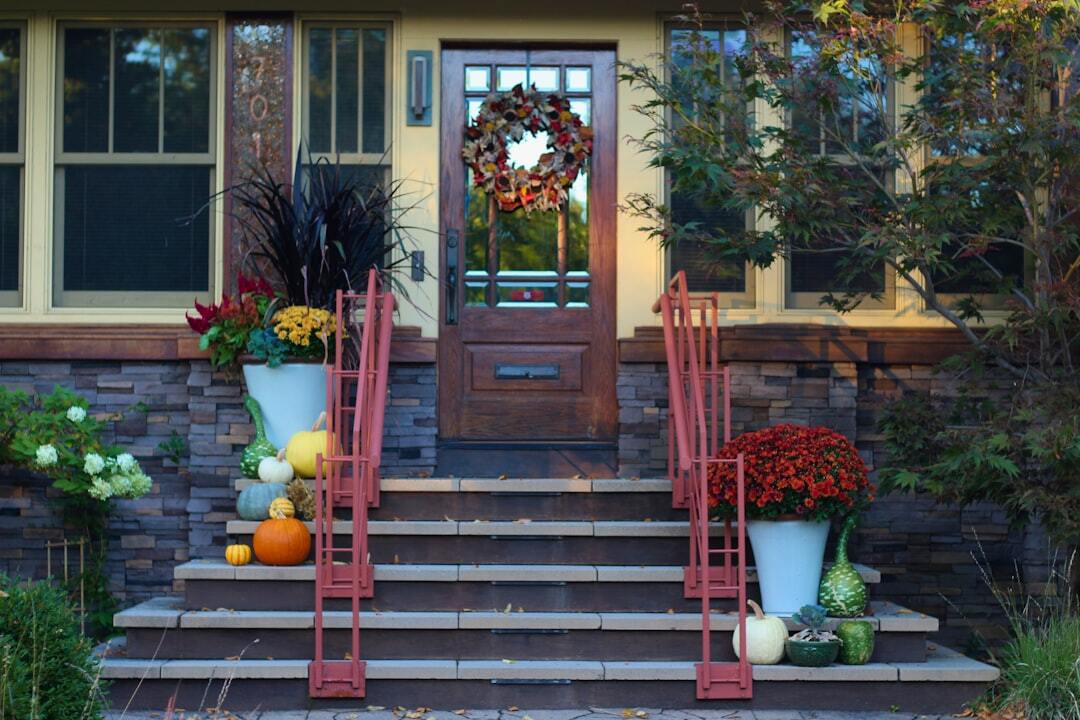
An autumn wreath made with natural materials is one of the easiest ways to establish a seasonal look before anyone even steps inside your home.
Rather than aiming for perfect symmetry, allow some stems and grasses to extend beyond the main shape. Natural wreaths often look better when they retain some movement and irregularity.
Start With a Natural Base
A woven willow, vine or twig wreath provides a useful foundation and can often be reused for several seasons.
If you are making your own base, flexible stems can be bent into a circle and secured with garden twine or floristry wire. It does not need to be completely hidden once the wreath is finished; exposed twigs add to the natural appearance.
Layer Foliage, Seed Heads and Dried Grasses
Begin with the largest foliage and work around the wreath in one direction, overlapping each small bundle to disguise the attachment points.
Once the green framework is established, introduce grasses, dried hydrangeas, seed heads or colourful leaves to create variation in height and texture.
Finish With Berries, Pine Cones or Dried Fruit
Use smaller materials as accents rather than filling every available gap. A few rosehips, pine cones or dried orange slices can be enough to give the wreath a distinctly autumnal character.
A linen, velvet or natural jute ribbon can provide a final finishing touch if the arrangement needs it.
Turn Seasonal Foliage Into Simple Indoor Displays
You do not need floristry experience to create convincing autumn arrangements. In many cases, keeping things deliberately simple produces the strongest result.
Style Autumn Branches in Oversized Vases
One of the easiest autumn decorating ideas is to place several tall branches in a substantial vase or stoneware vessel.
Use branches of slightly different heights and let their natural shapes dictate the arrangement instead of trying to make everything symmetrical.
A display like this works particularly well on a hallway console, dining-room sideboard or in an otherwise empty corner of a living room.
Create Small Arrangements With Grasses and Seed Heads
Not every arrangement needs to be a statement piece. Small groups of dried grasses, seed heads and garden cuttings can bring autumn into bookshelves, bedside tables and smaller surfaces.
Use simple glass bottles, small stoneware pots or vintage jars rather than highly decorative containers that compete with the plants themselves.
Press and Frame Autumn Leaves
Leaves with strong shapes or particularly attractive colours can become temporary seasonal artwork.
Press clean, dry leaves between sheets of absorbent paper beneath a stack of heavy books until completely flat and dry. They can then be displayed between two pieces of glass or arranged against plain paper in an existing frame.
This works especially well as a small grouped display rather than a single isolated leaf.
Decorate the Table With Harvest Materials
The dining table provides one of the best places to experiment with natural autumn décor because many different materials can be brought together without permanently changing the room.
Build a Centrepiece With Pumpkins, Squashes and Gourds
Start with a loose line of different-sized pumpkins and squashes rather than one large centrepiece. Mixing shapes and colours produces a more natural effect.
Allow plenty of the table surface to remain visible so the display enhances rather than overwhelms the setting.
Add Apples, Pears and Seasonal Fruit
Tuck apples or pears between the larger gourds to introduce smaller shapes and deeper colours. Fruit works particularly well when you are creating a harvest table for lunch or dinner because the decoration remains edible afterwards.
Weave Foliage and Candles Along the Table
Small branches, individual leaves or dried grasses can run loosely between the produce. Add candles of different heights to bring warmth as evenings become darker.
Keep flames safely away from dried foliage, grasses and other combustible materials and use enclosed candleholders where appropriate.
Keep the Display Low Enough for Conversation
A beautiful centrepiece becomes annoying very quickly if guests have to peer around it. Keep the main arrangement below eye level or use a few deliberately tall but narrow elements that do not obstruct the view across the table.
Style a Mantel or Sideboard With Natural Autumn Finds
Mantels, shelves and sideboards are ideal for seasonal decorating because they can be changed easily without affecting the whole room.
Start With Branches and Dried Foliage
Choose one taller arrangement to anchor the display. Branches, dried hydrangea heads or grasses in a simple vase work particularly well.
From there, gradually reduce the height of the objects around it rather than creating a perfectly mirrored arrangement.
Add Pumpkins, Conkers and Pine Cones in Small Groups
Odd-numbered groups usually look more relaxed than a row of identical decorations. Three small gourds beside a bowl of pine cones or conkers will often be enough.
Leave empty space between groups. Natural autumn decorating should still allow the room to breathe.
Bring in Warm Light
Autumn decorating becomes particularly effective after dark. Table lamps, lanterns and safely positioned candles can emphasise the warm tones of wood, foliage and seasonal produce.
You do not necessarily need more objects; changing the lighting can sometimes do more to create an autumn atmosphere than adding another decoration.
Make Autumn Decorations From Apples and Dried Fruit
Apples and citrus fruits offer another way to introduce harvest materials without creating waste.
Use Apples as Part of a Harvest Display
A large ceramic or wooden bowl filled with different apple varieties is an effortless kitchen decoration. Choose a mixture of colours rather than attempting to make every piece of fruit match.
Eat and replace the apples as necessary rather than leaving them solely for decoration.
Make Dried Orange and Apple Garlands
Thinly sliced apples and oranges can be dried at a low temperature until their moisture has been removed. Once completely dry, thread them onto natural twine to create a simple garland.
Use the finished decoration across a mantel, around an internal doorway or as part of a larger wreath.
Combine Dried Fruit With Cinnamon and Greenery
Dried citrus slices and cinnamon sticks work particularly well alongside foliage, pine cones and dried grasses. The materials bring both colour and subtle fragrance and can transition easily from autumn into early winter decorating.
Use Pumpkins Without Making Your Home Feel Like Halloween
Pumpkins are synonymous with autumn, but they do not have to make a room look as though it is permanently waiting for Halloween.
Mix Different Pumpkin and Squash Varieties
Combining several natural shapes is generally more effective than buying multiples of the same bright orange pumpkin.
Butternut squash, crown prince squash and smaller gourds all bring variation and can later be cooked rather than discarded.
Try Green, Cream and Muted Varieties
If traditional orange feels too strong for your interior, choose pale, green or muted varieties and combine them with dried foliage and natural wood.
The result feels much more like a seasonal harvest display and can stay in place well beyond the end of October.
Group Them Rather Than Spreading Them Everywhere
One carefully composed group near the fireplace, on a console table or by the front door will usually make a stronger impression than a pumpkin on every surface.
Concentrating decorations also makes them easier to remove or adapt when the season changes.
Add Autumn Texture With Natural Fabrics and Materials
Harvest decorations are most convincing when they sit naturally within the rest of the room. Introducing a few tactile materials can help connect seasonal displays to the wider interior.
Layer Wool, Linen and Woven Baskets
A wool throw, linen tablecloth or woven basket can add warmth without relying on explicitly autumn-themed patterns.
Baskets are particularly useful because they can hold logs, blankets, magazines or even a collection of seasonal produce while contributing additional natural texture.
Bring in Wood, Terracotta and Natural Ceramics
Wooden bowls, chopping boards, stoneware vases and terracotta pots all complement autumn foliage and harvest materials.
Pieces you already own can often be rearranged to create the desired effect, removing the need to buy decorations that will only be used for a few weeks.
Layer Rather Than Completely Redecorate
The aim is not to transform your entire home every September. A change of throw, a natural arrangement and a few warmer textures can be enough to shift the atmosphere of a room.
This restrained approach is also easier to maintain as autumn develops and individual natural materials need replacing.
Decorate Different Areas of the Home for Autumn
Front Door and Entrance
Start with a natural wreath and, if space allows, a small arrangement of pumpkins or potted autumn plants nearby.
Inside, a bowl for conkers or pine cones and a simple arrangement of branches can continue the theme without cluttering the hallway.
Living Room and Fireplace
Use the mantel or a sideboard as the main focal point and repeat one or two materials elsewhere in the room.
If your main display uses dried grasses and green gourds, for example, a smaller vase of the same grass on a coffee table helps everything feel connected.
Dining Room and Kitchen
Seasonal fruit, wooden boards, ceramic bowls and edible pumpkins are especially suited to kitchens because they remain practical as well as decorative.
A dining table can take a slightly more elaborate arrangement, but keep enough space available for it to remain usable every day.
Hallways, Shelves and Smaller Spaces
Smaller homes do not require miniature versions of every autumn decorating idea. One good branch arrangement or a carefully chosen cluster of natural objects can establish the season without taking up valuable space.
How to Make Natural Autumn Decorations Last Longer
Dry Flowers, Leaves and Seed Heads Properly
Natural materials last considerably longer when excess moisture has been removed before they are displayed.
Seed heads and grasses can often be tied into small bunches and hung upside down somewhere dry and well ventilated. Leaves intended for framing should be pressed until completely dry.
Check Fresh Produce Regularly
Pumpkins, gourds, apples and pears are still fresh food even when they form part of a display. Check them regularly for soft patches or signs of deterioration and remove affected produce promptly.
Keeping edible decorations somewhere relatively cool will generally help them last longer.
Reuse or Compost Decorations Afterwards
One of the advantages of decorating with natural harvest materials is that relatively little needs to end up in the bin.
Edible produce can be cooked, reusable wreath bases and baskets can be stored, while untreated leaves, flowers and plant material can often be composted once the display has finished.
Pine cones, dried grasses and seed heads that remain in good condition can simply be packed away for another year.
Forage Responsibly for Autumn Decorations
Gathering seasonal materials can be part of the pleasure of autumn decorating, but your own garden should always be the easiest starting point.
When collecting elsewhere, make sure you have permission and avoid stripping large quantities from a single plant or area. Seeds, berries, nuts and fallen vegetation are valuable food and habitat for wildlife as well as attractive decorating materials.
You also do not need pristine specimens. Twisted branches, faded seed heads and imperfect leaves often have far more character indoors than materials chosen for complete uniformity.
A More Natural Way to Decorate for Autumn
Seasonal decorating does not have to mean buying a new collection of accessories every year. Some of the most effective natural autumn décor ideas come directly from what is growing, ripening or falling outside.
Start with a few materials that genuinely appeal to you. Arrange colourful branches in a vase, create a wreath from garden cuttings, fill a bowl with apples or group several unusually shaped squashes together. Repeat those colours and textures elsewhere rather than introducing something completely different in every room.
The result is a home that reflects autumn without feeling themed: warmer, more tactile and connected to the season outside.