
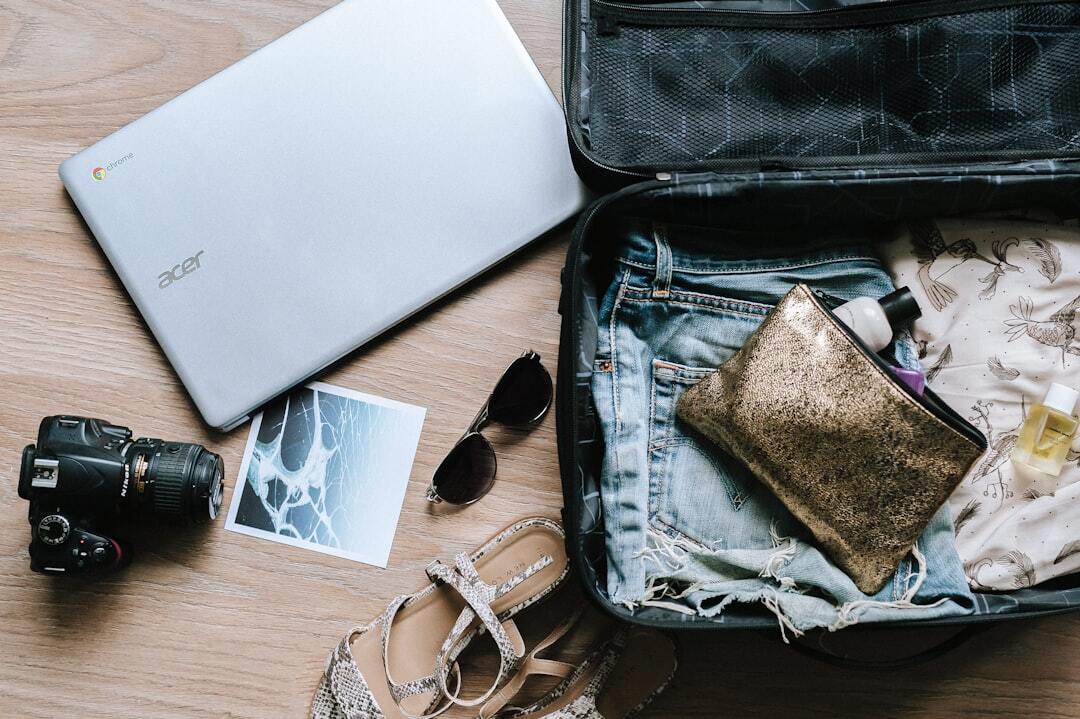
Autumn is one of the best times for a UK break, with quieter towns, colourful countryside and plenty of excuses for long walks followed by pub lunches and cosy evenings. The challenge is the weather. A crisp, bright morning can turn into a mild afternoon, a sudden shower and a noticeably colder evening, all in the space of a few hours.
The easiest way to pack is not to prepare separate outfits for every possible condition, but to build a small wardrobe around layers. A waterproof outer layer, comfortable footwear and clothes that can be worn in different combinations will cover most UK autumn breaks without filling your suitcase with things you never use. Always check the forecast for your actual destination just before travelling, particularly if you are heading somewhere coastal, mountainous or further north.
The Essential Autumn Packing List
If you want the short version, these are the items that will cover most city breaks, countryside weekends and cottage stays during September, October and November.
Clothing
- Waterproof or reliably water-resistant jacket
- Two or three T-shirts or lightweight tops
- One or two long-sleeved tops
- One or two jumpers, fleeces or other warm mid-layers
- Two pairs of jeans, trousers or other everyday bottoms
- Underwear for the length of your stay
- Enough socks, including a warmer pair or two
- Sleepwear
- One smarter outfit or top if you expect to eat somewhere dressier
Footwear
- Comfortable trainers, walking shoes or everyday footwear suitable for long days
- Walking boots or weather-resistant shoes if you will be spending significant time outdoors
- An optional second pair for evenings or as a dry backup
Accessories and Essentials
- Compact umbrella
- Small backpack or day bag
- Scarf
- Hat and light gloves later in the season
- Sunglasses
- Phone and charger
- Power bank
- Toiletries
- Medication
- Refillable water bottle
- Travel and accommodation details
Pack Layers Rather Than One Very Heavy Coat
Layering is the most useful principle when packing for a British autumn because it lets you adapt without carrying a completely different wardrobe for warm, cold and wet weather. A simple combination of a lightweight base layer, a jumper or fleece and a waterproof outer layer can be adjusted throughout the day. On a mild afternoon you might need little more than a long-sleeved top, while the same outfit becomes much warmer once a mid-layer and jacket are added in the evening.
This is usually more practical than taking one bulky winter coat, particularly during September and much of October. The exception is when the forecast genuinely calls for colder conditions. A late-November trip to the Scottish Highlands is very different from an early-September weekend on the south coast, so let the destination and forecast dictate how warm your outerwear needs to be rather than packing for the worst possible version of autumn.
Choose a Waterproof Jacket You’ll Actually Wear
A useful autumn jacket does not need to look like technical mountaineering equipment, especially if your plans revolve around cafés, towns, country houses and relatively gentle walks. What matters is that it offers genuine protection from rain, has a hood and leaves enough room underneath for a jumper or fleece. If a coat is too stiff, bulky or uncomfortable to wear for several hours, there is a good chance it will spend most of the trip hanging in your accommodation.
For walking holidays or exposed countryside, waterproof performance matters more. A lightweight shell worn over warm layers is often more versatile than a heavily insulated coat because you can change what sits underneath it. A compact umbrella is still useful for town and city breaks, but it becomes much less effective on windy coastal paths or open hills, where a hooded waterproof is the better option.
Build a Small Autumn Capsule Wardrobe
A long weekend rarely requires a separate outfit for every day. For three or four nights, three everyday tops, two warm layers, two pairs of trousers or jeans and one outer jacket will usually give you enough combinations to cope with changing conditions. Add one smarter piece if you know you have dinner reservations or another occasion that calls for it, rather than packing several outfits for hypothetical plans.
The easiest way to avoid overpacking is to choose clothes that work with each other. A jumper that can be worn over all three tops is more useful than one that only works with a single outfit, while a pair of trousers that can handle sightseeing during the day and a casual dinner in the evening saves carrying another option. There is no need to build the whole bag around neutral colours, but keeping most items compatible makes it much easier to repeat pieces without feeling as though you are wearing exactly the same outfit every day.
Get the Footwear Right
Footwear is one of the areas where UK autumn conditions can catch people out. Rain, wet leaves, muddy footpaths and slippery cobbles can quickly make a pair of otherwise comfortable shoes feel like a poor choice. For a town or city break, supportive trainers or weather-resistant everyday shoes may be all you need. If your plans include rural walks, country parks or woodland trails, something with more grip becomes far more useful.
Proper walking boots or trail shoes make sense for longer countryside routes or hillier terrain, but they should already be broken in before the trip. A weekend away is not the time to discover that new boots rub after three miles. Pair them with comfortable walking socks and, unless you have a specific reason to take more, try to keep footwear to two useful pairs. Shoes are some of the bulkiest things in a bag, and four pairs packed for unlikely situations can take up more space than the rest of your clothing combined.
What to Pack for a Countryside or Walking Break
If your autumn break is built around walking rather than sightseeing, the core packing list needs a few additions. You do not need technical outdoor clothing for a short woodland stroll, but several hours outside in changeable weather calls for more thought.
- Waterproof jacket
- Walking boots or trail shoes with reliable grip
- Comfortable or quick-drying walking trousers
- Fleece or other warm mid-layer
- Walking socks
- Small daypack
- Refillable water bottle
- Snacks
- Portable charger
- Offline maps or navigation downloaded to your phone
- Small first-aid kit
- Waterproof trousers if the forecast is particularly wet or the route exposed
- Hat and gloves in colder conditions
For longer, remote or mountainous routes, your kit should always be appropriate to the specific walk rather than relying on a general holiday packing list. Weather can change much faster on high or exposed ground than it does in a town or lowland country park.
Don’t Forget the Small Autumn Extras
Some of the most useful things in an autumn bag are also the easiest to forget. Sunglasses are still worth packing, particularly when low autumn sun makes driving or walking uncomfortable. Lip balm and moisturiser can be useful once colder air and wind return, while a small reusable bottle saves buying drinks every time you head out for the day.
A waterproof or washable bag is handy for muddy shoes, wet swimwear or damp clothes that need separating from everything else. A tote or small backpack gives you somewhere to carry an extra layer when the day warms up, and a power bank earns its space quickly if you are using your phone for maps, photos, train tickets and restaurant bookings. If your accommodation has a pool, spa or hot tub, add swimwear too; for a cottage stay, thick socks or slippers can be a worthwhile comfort extra without taking up much room.
September, October or November? Adjust the Bag
Not every autumn break requires the same kit. September can still feel surprisingly summery, particularly in southern England, so lighter tops and a waterproof jacket may be more useful than thick knitwear and a heavy coat. By October, cooler mornings and evenings become more noticeable and wet ground is more common, making warmer layers, weather-resistant footwear and a scarf increasingly useful.
November calls for a little more warmth. A proper fleece or heavier jumper is likely to earn its place, while a hat and gloves become much more sensible additions if you expect to spend time outdoors. Shorter daylight hours are also worth remembering if walking or sightseeing away from towns. These are general patterns rather than rules, though: an unusually warm November weekend may need less clothing than a wet and windy September break, so the forecast should always have the final say.
What You Probably Don’t Need to Pack
Overpacking usually happens because we prepare for every remotely possible scenario rather than the trip we are actually taking. For an ordinary UK weekend, you probably do not need a completely different outfit for every day, several bulky jumpers, four pairs of shoes or full-size bottles of every toiletry you use at home.
Likewise, there is little point carrying technical hiking clothing if your countryside activity amounts to a leisurely walk around a National Trust property, while a huge insulated winter coat may become a nuisance during a mild early-autumn weekend. A useful rule is to look at anything that only works with one outfit or one unlikely activity and ask whether it genuinely earns the space it takes up.
Example Packing List for a Three-Night UK Autumn Break
For a typical three-night break involving a mixture of sightseeing, meals out and a bit of walking, a compact bag could look something like this.
Wear While Travelling
- Jeans or comfortable trousers
- T-shirt or long-sleeved top
- Jumper or fleece
- Waterproof jacket
- Everyday trainers or walking shoes
Pack
- Two additional tops
- One additional jumper, cardigan or fleece
- One additional pair of trousers or jeans
- Underwear for the trip
- Four pairs of socks
- Sleepwear
- One smarter top or outfit if needed
- A second pair of footwear if it serves a genuine purpose
- Scarf
- Hat and gloves if the forecast warrants them
- Toiletries and medication
- Phone charger and power bank
- Compact umbrella
- Water bottle
- Small day bag
For a week-long break, you can add a few more tops and extra underwear without doubling everything else, while a walking-focused trip may replace everyday clothing with more practical outdoor layers. Packing for a UK autumn break is not about preparing for full winter conditions: it is about having enough interchangeable layers to stay comfortable when the weather inevitably changes its mind.