
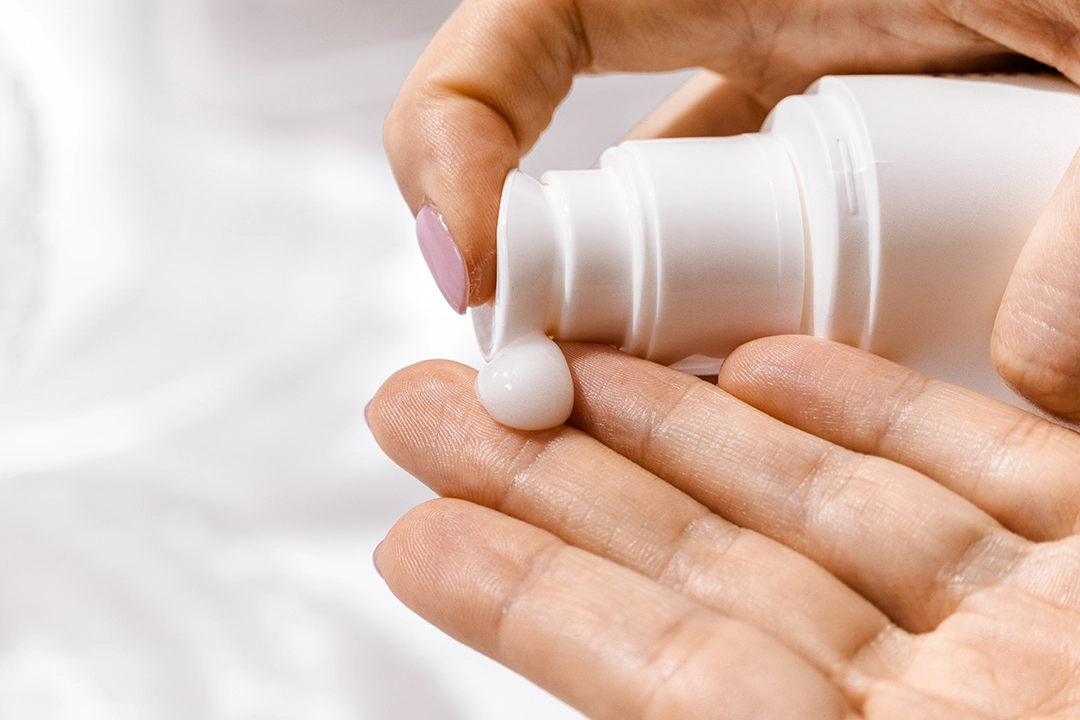
Autumn Skincare Routine: How to Protect and Hydrate Skin in Cooler Weather
The arrival of autumn changes more than the temperature outside. Cooler air, lower humidity, stronger winds and the return of central heating can all influence how skin feels, often leaving it noticeably drier, tighter or more sensitive than it was during summer.
That does not mean your entire skincare shelf needs replacing as soon as the seasons change. A good autumn skincare routine is usually about making thoughtful adjustments: cleansing more gently, adding hydration where it is needed, choosing a moisturiser with enough richness for your skin and paying closer attention to the skin barrier.
It is also important not to abandon habits that matter throughout the year. Daily sun protection remains relevant during autumn, while strong exfoliants and active ingredients may need adjusting if cooler weather makes your skin more reactive.
From choosing the right cleanser and moisturiser to understanding which ingredients can help support hydration, here is how to adapt your skincare routine as the weather gets cooler.
Why Your Skin Changes as the Weather Gets Cooler
Skin does not behave exactly the same way throughout the year. Changes in temperature and humidity can alter how quickly moisture is lost, while our own habits change once colder weather arrives.
Heating goes on, showers often become hotter and we spend more time moving between cold outdoor conditions and warm indoor environments. For some people, this is when previously comfortable skin starts to feel tight after cleansing, dry patches become more noticeable or products that were easy to tolerate during summer suddenly feel less comfortable.
The shift is not necessarily dramatic. For many people it begins with small changes: foundation sitting differently, a moisturiser no longer lasting through the day or areas around the nose and mouth becoming slightly rougher. Recognising those early signs makes it easier to adjust your routine before dryness becomes more uncomfortable.
Cold Air and Lower Humidity Can Leave Skin Feeling Drier
Cold weather itself is only part of the issue. Autumn and winter air often contains less humidity, which means there is less moisture available in the surrounding environment. When the air is dry, water can evaporate from the skin more readily, particularly if the skin barrier is already under strain.
When skin loses too much water, it can begin to feel rough, tight, itchy or flaky. People who naturally have dry or sensitive skin may notice the difference first, but seasonal dryness can affect other skin types too, including combination and oily skin.
It is also possible for skin to become dehydrated without looking visibly dry. You might still notice oil through the T-zone while the cheeks feel tight or makeup begins clinging to certain areas. That combination can be confusing, because it may seem as though the skin is oily and dry at the same time.
This is why a lightweight summer routine that felt perfectly adequate in July can begin to feel insufficient by October or November. The answer is not necessarily to add numerous new products, but to look at where moisture may be getting lost and adjust accordingly.
How Central Heating Affects Skin Hydration
The conditions indoors can be just as important as the weather outside. Central heating creates warmer living spaces but can also contribute to a dry indoor environment, particularly when heating is running for long periods.
Spending hours in heated rooms may therefore make existing dryness more noticeable, particularly on exposed areas such as the face, lips and hands. The effect can be more obvious in offices, bedrooms and living spaces where the air becomes warm and relatively dry for much of the day.
There is also the repeated transition between environments to consider. Moving from cold outdoor air into heated interiors can leave skin feeling increasingly uncomfortable, particularly if it is already prone to sensitivity.
If skin begins to feel tight or rough once the heating goes on, consider the complete environment rather than concentrating solely on skincare products. Avoiding excessively high room temperatures, moisturising consistently and, where appropriate, adding humidity to very dry indoor air can all form part of a broader approach.
Why Your Summer Skincare Routine May Stop Feeling Enough
Summer routines often favour lightweight gels, foaming cleansers and minimal layers, particularly for people whose skin feels oilier in warmer weather.
There is nothing inherently wrong with those products, and there is no need to stop using something simply because the calendar changes. However, the same routine may no longer provide enough comfort once humidity falls and the skin is exposed to colder, drier conditions.
A gel moisturiser that felt refreshing in August may begin to disappear quickly once autumn arrives. Likewise, a cleanser designed to remove sweat and excess oil can start to feel unnecessarily harsh once the skin is producing less surface oil.
Pay attention to your skin rather than following a fixed seasonal date. If your face feels tight shortly after cleansing, moisturiser seems to disappear immediately or flaky areas start developing, those are practical signs that your routine may need more hydration or a gentler approach.
How to Transition Your Skincare Routine from Summer to Autumn
The most effective seasonal changes are usually gradual. Replacing cleanser, serum, moisturiser and active treatments simultaneously makes it difficult to know which change helped or which new product caused irritation.
Instead, keep the parts of your routine that are working and adjust only what your skin appears to need. This not only reduces unnecessary spending but also lowers the risk of overwhelming the skin with too many new ingredients at once.
Change Your Routine Gradually Rather Than Replacing Everything
Begin with the most obvious point of discomfort. If cleansing leaves your skin tight, consider changing the cleanser first. If your skin feels comfortable until later in the day, a richer moisturiser may be the more useful change.
If your routine already includes several active products, making changes slowly becomes even more important. It can otherwise be difficult to distinguish ordinary seasonal dryness from irritation caused by a new acid, retinoid or treatment serum.
Introducing one change at a time also helps you work out whether a product is genuinely useful. A new moisturiser that improves comfort within a few days may be enough; there is no need to immediately add three serums and an overnight mask on top.
A seasonal skincare routine does not need to be a completely different routine. For many people, changing the texture of one or two products is enough to carry an existing routine comfortably into autumn.
Pay Attention to Tightness, Flaking and Increased Sensitivity
Dryness does not always present as obvious flakes. Skin may initially feel tight after washing, look slightly duller or become more sensitive to products that previously caused no problems.
Makeup may also begin sitting differently on the skin, particularly around the nose, mouth and forehead. Foundation that once looked smooth may start catching on rougher areas, while concealer can settle more noticeably around the eyes.
Another early sign can be increased stinging. A serum or moisturiser that previously felt comfortable may suddenly produce a mild burning or prickling sensation. That can be a clue that the skin barrier is becoming more vulnerable.
If dryness progresses to persistent redness, painful cracking, bleeding, significant itching or a rash, however, it is sensible to seek professional medical advice rather than continuing to experiment with cosmetic products.
Focus on Supporting the Skin Barrier
The skin barrier is the outermost protective layer of the skin and plays an important role in limiting water loss while helping protect against environmental irritants.
When this barrier is compromised, skin can become more reactive, rough and uncomfortable. That is why autumn routines often benefit from reducing irritation as much as from adding hydration.
Gentle cleansing, regular moisturising and avoiding excessive exfoliation can all help maintain a more comfortable barrier. Products containing ingredients such as ceramides, glycerin and emollients can also be useful, although the overall formulation matters more than chasing one particular ingredient.
This is also why throwing several strong active ingredients at dry, uncomfortable skin can be counterproductive. When skin is already feeling stressed, a simpler routine may be more useful than adding more treatments.
A Simple Autumn Skincare Routine for Cooler Weather
An effective routine does not have to contain ten different products. A cleanser, moisturiser and daily sun protection provide the basic framework, with additional hydration or treatment products added according to individual needs.
The strongest routines are usually the ones that are easy to follow consistently. If your skin is comfortable with three or four well-chosen products, there is little value in adding multiple extra steps purely because seasonal skincare is often presented as something complicated.
Step 1: Switch to a Gentler Cleanser
Cleansing should remove makeup, sunscreen, excess oil and everyday dirt without leaving the skin feeling stripped.
If a foaming or strongly clarifying cleanser starts producing tightness as temperatures fall, consider a gentler cream, lotion or hydrating cleanser instead. Products labelled fragrance-free may also be helpful for people whose skin becomes more sensitive when dry.
It is worth paying attention to how skin feels immediately after cleansing. If you feel an urgent need to apply moisturiser because your face feels stretched or uncomfortable, the cleanser may be too aggressive for your current needs.
There is no benefit in chasing a squeaky-clean sensation. Clean skin should still feel comfortable, and autumn is often the season when people realise that a summer cleanser has become unnecessarily strong.
Step 2: Add Hydration with a Serum or Essence
A hydrating serum can provide an additional layer between cleansing and moisturising, particularly for skin that feels dehydrated without necessarily being very dry.
Ingredients such as glycerin and hyaluronic acid are commonly used as humectants, helping attract and hold water within the upper layers of the skin. These ingredients are available across many price points and appear in both simple and more complex formulations.
Hydrating serums do not replace moisturiser for everyone. Think of them as an optional layer that can increase hydration before a cream or lotion helps reduce moisture loss.
If your moisturiser already leaves the skin comfortable throughout the day, a separate hydrating serum may not be necessary. Skincare works best when every step has a purpose rather than being included out of habit.
Step 3: Use a Richer Moisturiser When Your Skin Needs It
One of the simplest autumn skincare changes is moving from a very lightweight gel or lotion towards a creamier texture.
Creams generally contain a greater proportion of oils and occlusive ingredients than lightweight lotions or gels, making them useful when seasonal dryness becomes more noticeable. Very dry areas may benefit from richer balms or ointments.
That does not mean everyone needs the heaviest moisturiser available. Combination or oily skin may still prefer lighter textures, perhaps using a richer cream only on drier parts of the face.
It can also help to think about timing. Some people prefer to keep their usual lighter moisturiser during the day and introduce a richer cream at night, particularly if they wear makeup or dislike heavier textures under sunscreen.
Step 4: Keep Using SPF as the Seasons Change
Cooler temperatures do not mean ultraviolet radiation disappears. Sun protection therefore remains part of a sensible skincare routine beyond summer.
For exposed skin, choose a broad-spectrum sunscreen appropriate for your skin type and daily activities. SPF 30 or above is widely recommended for effective protection when used properly.
If your summer sunscreen feels too light or drying during autumn, consider switching to a creamier formulation or applying it over a suitable moisturiser rather than abandoning SPF altogether.
Autumn can actually be a useful time to find a sunscreen you genuinely enjoy using every day, because the focus can shift from heat-resistant or mattifying formulas towards something more comfortable and hydrating.
Step 5: Give Lips, Hands and Other Dry Areas Extra Attention
The face is not the only area affected by cooler weather. Lips and hands are particularly exposed to wind, frequent washing and changes in temperature.
A simple lip balm or petrolatum-based product can help reduce moisture loss from dry lips, while regular hand cream is worth keeping near sinks, desks and bedside tables if your hands tend to become rough.
The skin around the nose can also become irritated in colder months, particularly during colds or allergy flare-ups, while elbows, knees and lower legs may become noticeably drier.
Applying moisturiser soon after washing is particularly useful because it helps trap some of the water already present on the skin.
Which Skincare Ingredients Are Useful in Autumn?
Skincare labels can make seasonal routines seem more complicated than they need to be. There is no single ingredient that everyone requires, but several well-established categories can be useful when the main goal is maintaining hydration and barrier comfort.
The best approach is to focus on what an ingredient actually does rather than how fashionable it is. A straightforward moisturiser containing humectants, emollients and barrier-supporting ingredients can often be more useful than a long routine built around numerous concentrated serums.
Hyaluronic Acid and Glycerin for Hydration
Hyaluronic acid and glycerin are humectants, ingredients used in skincare formulations to attract and retain water.
They appear in serums, moisturisers, cleansers and body products, so there is no need to buy a dedicated serum simply to include them in a routine.
Glycerin is particularly common and has been used in moisturising products for many years. Hyaluronic acid has become more visible in skincare marketing, but both are simply different ways of helping increase water content in the upper layers of the skin.
For dry skin, humectants are often most useful as part of a complete moisturising formula that also contains ingredients designed to soften the skin and reduce water loss.
Ceramides for Supporting the Skin Barrier
Ceramides are lipids naturally found within the skin barrier. Skincare products containing ceramides are commonly used in moisturising formulas intended to help support dry or compromised skin.
They can be particularly relevant during cooler months when the objective is not simply making skin feel temporarily softer but maintaining a comfortable barrier over time.
Ceramides are often combined with cholesterol, fatty acids and humectants in moisturisers designed for dry or sensitive skin. That combination can make a product feel richer and more protective without necessarily relying on heavy oils alone.
Rather than looking for the highest possible number of headline ingredients, concentrate on the formulation as a whole and how your skin responds to it.
Squalane and Emollients for Reducing Moisture Loss
Emollient ingredients help soften and smooth the skin by filling spaces between dry surface cells. Oils, butters, squalane and other emollients often feature in richer autumn and winter moisturisers.
For someone with dry skin, these ingredients can make a moisturiser feel substantially more comfortable than a water-heavy gel. They can also reduce roughness and improve the way skin feels under makeup.
Squalane is popular because it tends to feel lighter than some heavier plant oils, although whether it suits an individual depends on the complete product and skin type.
Those prone to congestion or breakouts may prefer lighter formulations and should choose products according to their individual skin rather than assuming every richer cream will be suitable.
Niacinamide and Panthenol for a Gentle, Barrier-Focused Routine
Niacinamide and panthenol are common additions to products designed around hydration and skin comfort.
Niacinamide is used across a wide range of formulations, including moisturisers and serums, and is often included in products aimed at supporting the skin barrier. However, higher concentrations are not automatically better.
If your skin is sensitive, a straightforward moisturising product containing niacinamide may be preferable to layering several concentrated serums. More is not always more effective, particularly when the skin is already feeling reactive.
Panthenol is also frequently included in soothing and moisturising formulas. As with any skincare ingredient, the overall product formulation and individual tolerance matter more than chasing a particular ingredient in isolation.

Should You Use a Richer Moisturiser in Cooler Weather?
For many people, yes — but richer is relative. Someone with naturally dry skin may move towards a substantial cream or balm, while somebody with oily skin may simply swap a very light gel for a lotion.
The aim is to increase comfort without making the routine unnecessarily heavy. Skin type, climate, indoor heating and the products already being used all influence how much additional richness is actually needed.
When to Move from Lightweight Gels to Creamier Textures
The best signal is how your skin feels. If your usual moisturiser no longer keeps your skin comfortable between morning and evening, a more substantial texture may be useful.
Creams generally provide more occlusion than gels or lightweight lotions, helping reduce water loss. Applying them after cleansing while the skin still holds a little moisture can improve the overall effect.
You can also use different textures at different times. A lighter moisturiser may remain comfortable during the day, with a richer cream used in the evening.
Another option is to adjust by area. The cheeks and jawline may benefit from a richer product while the forehead and nose remain comfortable with something lighter.
Why Oily and Combination Skin Still Needs Hydration
Oiliness and dehydration are not the same thing. Skin can produce noticeable sebum while still feeling tight or lacking water.
People with oily or combination skin therefore do not automatically need to stop moisturising in autumn. The better approach is usually to choose a texture that provides comfort without feeling excessively heavy.
In fact, over-cleansing oily skin in an attempt to remove shine can sometimes worsen discomfort, especially when combined with dry air and central heating.
Combination skin can also be treated by area. A richer cream may be useful around dry cheeks while a lighter product remains sufficient across an oilier forehead, nose and chin.
How to Avoid Making Your Routine Unnecessarily Heavy
There can be a temptation to respond to cooler weather by layering oil, serum, cream, balm and sleeping mask all at once.
More products do not necessarily mean more hydrated skin. Excessively complicated routines can become uncomfortable and make it harder to identify which product is causing irritation or congestion.
If the skin feels sticky for hours, makeup slips or breakouts increase after adding several richer products, the routine may simply be too much.
Start with a good moisturiser and add additional layers only when they provide a clear benefit. A simple routine used consistently is usually easier to manage than one built around multiple overlapping products.
Do You Need to Change Exfoliation and Active Ingredients in Autumn?
Ingredients such as retinoids and exfoliating acids can remain part of an autumn skincare routine, but colder weather may change how well they are tolerated.
If skin becomes noticeably dry or sensitive, it may be sensible to reassess how frequently stronger products are being used rather than pushing through irritation.
Why Over-Exfoliation Can Become More Noticeable in Cooler Weather
Exfoliating acids can improve the appearance and texture of skin when used appropriately, but using too much can contribute to dryness, irritation and sensitivity.
When environmental conditions are already encouraging moisture loss, a routine that was comfortable during summer may suddenly feel excessive.
Flaking is not always a sign that skin needs more exfoliation. If the cause is dryness or irritation, repeatedly trying to scrub or dissolve the flakes can make matters worse.
Look at the entire routine before adding more exfoliation. An acid cleanser, exfoliating toner and active serum used together may create far more cumulative irritation than any one product seems capable of producing on its own.
When to Reduce Acids, Retinoids and Other Strong Actives
If a product suddenly begins stinging, or your skin becomes unusually tight, flaky or irritated, consider reducing the frequency of stronger actives and concentrating temporarily on gentle cleansing, moisturising and sun protection.
This does not mean everyone needs to stop retinoids or exfoliating acids throughout autumn and winter. Many people continue using them successfully all year.
The important point is to respond to your skin rather than maintaining exactly the same frequency simply because it worked several months earlier.
If you use prescription retinoids or other medicated skincare, follow the guidance provided by your doctor or dermatologist rather than changing treatment solely on the basis of seasonal cosmetic advice.
Introduce Changes One Product at a Time
This principle becomes especially important when using active skincare.
If you simultaneously introduce a new retinoid, acid toner, moisturiser and cleanser and irritation develops, identifying the cause becomes difficult.
Introduce one product, monitor how the skin responds and only then consider making another adjustment. Patch testing new products can also be sensible for people with reactive or sensitive skin.
Gradual changes may seem less exciting than a complete seasonal overhaul, but they are far more useful for understanding what your skin actually needs.
Why SPF Still Matters During Autumn
One of the most common seasonal skincare mistakes is treating sunscreen as a summer-only product.
UV radiation reaches the skin throughout the year, even when temperatures are lower. Clouds and cold weather do not provide complete protection from ultraviolet exposure.
UV Exposure Does Not Disappear When Temperatures Drop
Sunburn may feel less likely on a chilly autumn morning, but temperature is not a measure of UV exposure.
Daily habits matter too. Walking the dog, driving, commuting, exercising outdoors or spending a weekend in the countryside can all mean exposed skin receives daylight even when you are not deliberately sunbathing.
UVA radiation in particular is present throughout the year and contributes to cumulative skin damage over time. That is why dermatology guidance generally treats sun protection as an all-season habit rather than a summer-only measure.
Broad-spectrum sun protection therefore remains worthwhile as part of a year-round approach to protecting exposed skin.
How SPF Fits into a Hydrating Autumn Morning Routine
Sunscreen normally sits towards the end of a morning skincare routine, after moisturiser where one is required and before makeup.
If layering a separate moisturiser and SPF feels too heavy, experiment with textures rather than abandoning sun protection. Some people may find that a sufficiently moisturising sunscreen provides enough daytime hydration on its own.
Others may prefer a lightweight moisturiser underneath a separate SPF, particularly if their skin becomes noticeably dry during the day.
As with all skincare, the routine has to be practical enough that you will actually follow it consistently.
Morning Skincare Routine for Cooler Weather
An autumn morning routine can remain relatively simple. The aim is to leave the skin clean and comfortable, provide enough hydration for the day and protect exposed areas from UV.
You do not need to use every possible product category. A short routine that suits your skin is often more effective than an elaborate one you struggle to maintain.
Gentle Cleanse or Rinse
Not everyone needs a full facial cleanse first thing in the morning. For dry or sensitive skin, rinsing with lukewarm water may sometimes be sufficient if the skin was thoroughly cleansed the night before.
If you prefer to cleanse, choose a gentle product that does not leave the face feeling tight or squeaky.
People who wake with noticeable oiliness may still prefer a cleanser, while those with very dry skin might find that washing twice daily becomes unnecessary in colder weather.
The important point is to cleanse according to need rather than automatically applying the same routine year-round.
Hydrating Serum
A serum containing humectants such as glycerin or hyaluronic acid can provide an additional layer of hydration if your skin benefits from one.
This is optional rather than an essential step. If your moisturiser already keeps your skin comfortable throughout the day, there is no requirement to add a separate serum.
For those who do use one, a small amount is usually enough. Applying multiple hydrating serums on top of each other rarely provides proportionally greater benefit.
Follow with moisturiser if needed so the hydration is supported by a product that also helps reduce moisture loss.
Moisturiser
Choose a moisturiser according to your skin rather than the season alone. Dry skin may favour a cream, while combination or oily skin may remain comfortable with a lotion or gel-cream.
Apply enough to leave the skin comfortable without creating unnecessary heaviness underneath sunscreen and makeup.
If certain areas are consistently drier, there is no rule saying the same amount of product has to be used everywhere. Slightly more cream can be applied to cheeks or around the mouth while keeping oilier areas lighter.
Broad-Spectrum SPF
Finish with a broad-spectrum sunscreen suited to your skin and expected exposure. SPF 30 or higher provides a practical benchmark for everyday protection when applied correctly.
Remember areas such as the ears, neck and backs of the hands when they are exposed.
If you are outdoors for extended periods, particularly during walks, sport or travel, sunscreen may need to be reapplied according to product instructions.
Evening Skincare Routine for Autumn
Evening is an opportunity to remove the day’s sunscreen, makeup and dirt before giving skin a chance to remain comfortably moisturised overnight.
This is also often the easiest time to adjust richer products into the routine because there is no concern about how they sit beneath makeup or SPF.
Remove Makeup and SPF Without Stripping the Skin
If you wear substantial makeup or water-resistant sunscreen, you may prefer a cleansing balm or oil followed by a gentle water-based cleanser.
Double cleansing is not compulsory for everyone. If one cleanser removes everything effectively without leaving residue or discomfort, there is no need to add another step simply because it is popular online.
The goal is to remove the day’s products while preserving comfort. Cleansing should not leave the skin feeling polished, squeaky or aggressively stripped.
Using lukewarm rather than very hot water can also make a noticeable difference when skin is already feeling dry.
Use Hydrating and Barrier-Supporting Products
After cleansing, apply any treatment products you already tolerate, followed by hydration where needed.
On nights when skin feels particularly sensitive or dry, simplifying the routine and concentrating on moisturising can be preferable to layering multiple actives.
A hydrating serum followed by a ceramide-rich or emollient moisturiser may be enough. There is no obligation to continue every treatment product every night if the skin is showing signs of stress.
A consistent, comfortable routine is more useful than one that looks impressive but repeatedly irritates the skin.
Seal in Moisture Overnight
A richer evening moisturiser can be useful if your daytime product does not provide enough comfort overnight.
People with very dry areas sometimes benefit from a small amount of an occlusive balm or ointment over moisturiser, particularly around lips or other vulnerable patches.
This approach can also be used selectively. Rather than covering the entire face, apply richer products only where dryness tends to recur.
There is no need for every face to be coated in a heavy occlusive product. Use richer textures where they are genuinely helpful.
Common Autumn Skincare Mistakes to Avoid
Many seasonal skin problems are not caused by a lack of products but by everyday habits that remove moisture or irritate already dry skin.
Recognising these habits is often more useful than buying an entirely new skincare routine.
Taking Long, Very Hot Showers
A long hot shower can be tempting when the temperature drops, but very hot water can worsen dry skin.
Hot water can strip away some of the skin’s natural oils, leaving it more vulnerable to tightness and roughness once you step out of the shower.
Choose warm rather than excessively hot water and moisturise soon after bathing, particularly on areas that tend to become dry.
This applies to hand washing too. Frequent exposure to hot water combined with soap can make autumn and winter hand dryness noticeably worse.
Continuing an Aggressive Summer Cleansing Routine
Products designed to tackle sweat and excess oil during humid summer weather may feel unnecessarily harsh once conditions become cooler and drier.
If cleansing starts leaving your skin tight, there is little benefit in continuing simply because the bottle is labelled for your skin type.
Skin type is not always fixed in the way marketing suggests. The same person may need a slightly different balance of cleansing and moisturising depending on climate, activity and season.
Your routine can change as your skin changes.
Using Too Many Exfoliating Products at Once
Acid cleansers, exfoliating toners, treatment serums and retinoids can sometimes accumulate within a routine without the user realising how many active steps are involved.
When irritation develops, review the complete routine rather than assuming one individual product is responsible.
Using several exfoliating products at once can increase dryness and sensitivity, especially when environmental conditions are already making skin more vulnerable.
If in doubt, simplify temporarily and reintroduce products gradually once the skin feels comfortable again.
Waiting Until Skin Feels Very Dry Before Changing Your Routine
Seasonal changes do not have to be dramatic. If you know that your skin reliably becomes drier each autumn, making small adjustments when the first signs appear can be more comfortable than waiting for cracking and significant flaking.
Keeping a richer moisturiser or lip balm ready for colder weeks makes it easy to respond when conditions change.
You may also find that using hand cream more consistently or switching cleansers slightly earlier prevents dryness from becoming a recurring problem.
Preventive changes are often easier than trying to repair skin that has already become significantly irritated.
Stopping SPF Because Summer Is Over
Sunscreen belongs to sun protection rather than heat protection. A cold day can still involve meaningful UV exposure.
Autumn sunlight may feel weaker, but cumulative exposure still matters, particularly for people who spend significant time outdoors.
Maintaining the habit through autumn also means there is no need to rebuild it every spring.
If your summer sunscreen no longer feels comfortable, change the formula rather than the habit.
How to Keep Skin Comfortable as Autumn Turns into Winter
The transition into winter does not require another complete skincare overhaul. Continue watching how your skin responds as temperatures and humidity fall further.
You may find that the richer moisturiser initially used only at night becomes useful in the morning too, or that exposed areas such as the lips and hands need more frequent attention. Some people also find it helpful to reduce the frequency of exfoliation when their skin becomes drier.
Indoor conditions may become more challenging as heating runs for longer periods, so consistency becomes increasingly important. Regular moisturising, avoiding very hot water and keeping cleansing gentle can make a significant difference over time.
Keep the basic principles consistent: cleanse without stripping the skin, moisturise according to need, avoid unnecessarily hot water, be cautious with excessive exfoliation and continue protecting exposed skin from UV.
Above all, skincare should respond to the skin in front of you rather than a rigid seasonal checklist. Autumn provides a useful opportunity to reassess what is working, remove unnecessary steps and build a routine that keeps the skin comfortable as colder weather settles in.
If dryness becomes persistent, painful, cracked, inflamed or does not improve despite sensible changes to your routine, seek advice from a GP, pharmacist or qualified dermatologist.