

That awkward stretch between summer and autumn can make getting dressed surprisingly difficult. Mornings feel noticeably cooler, afternoons can still be warm and a perfectly sensible outfit at breakfast may feel completely wrong by lunchtime.
The solution is not to pack away your summer wardrobe and replace it overnight. The most useful transitional wardrobe is built around pieces you already wear, with lightweight layers, versatile footwear and a few autumn essentials gradually brought back into rotation.
From trench coats and blazers to fine knitwear, denim and loafers, these are the wardrobe essentials that make moving from summer into cooler days feel much easier.
Don’t Pack Away Your Summer Wardrobe Just Yet
One of the easiest mistakes to make when September arrives is treating it like the beginning of winter. In reality, many summer staples remain useful for weeks, particularly when they are paired with slightly warmer layers.
Instead of completely reorganising your wardrobe, keep the pieces that can adapt:
- T-shirts and shirts: wear them beneath blazers, cardigans and trench coats, or layer an open shirt over a vest on milder days.
- Summer dresses: add a cardigan, lightweight jacket or blazer and swap sandals for trainers, loafers or ankle boots.
- Midi and maxi skirts: pair them with fine knitwear now and introduce tights once temperatures fall further.
- Denim: straight-leg, relaxed and wide-leg jeans work particularly well during transitional weather because they combine easily with both summer basics and autumn layers.
- Trainers: keep them in rotation with jeans, trousers, skirts and trench coats rather than switching immediately to heavier footwear.
The aim is to extend the life of the pieces you already enjoy wearing rather than treating every change of season as a reason to start again.
The Secret to Transitional Dressing Is Smart Layering
Effective autumn layering is less about wearing lots of clothes and more about choosing pieces that can be added and removed throughout the day.
A simple three-layer approach works particularly well:
- Start with a lightweight base: choose a cotton T-shirt, vest, blouse, shirt or fine long-sleeved top that is comfortable enough to wear on its own if the afternoon warms up.
- Add a removable middle layer: a cardigan, fine-knit jumper or knitted vest provides warmth without making the outfit feel heavy.
- Finish with adaptable outerwear: trench coats, blazers, bombers, denim jackets and lightweight wool jackets provide protection for cooler mornings and evenings without feeling like full winter clothing.
Several lighter layers usually give you far more control than one thick jumper or heavy coat. A cardigan can be worn open, buttoned or removed completely, while fine merino and lightweight cotton knits fit comfortably beneath jackets without adding unnecessary bulk.
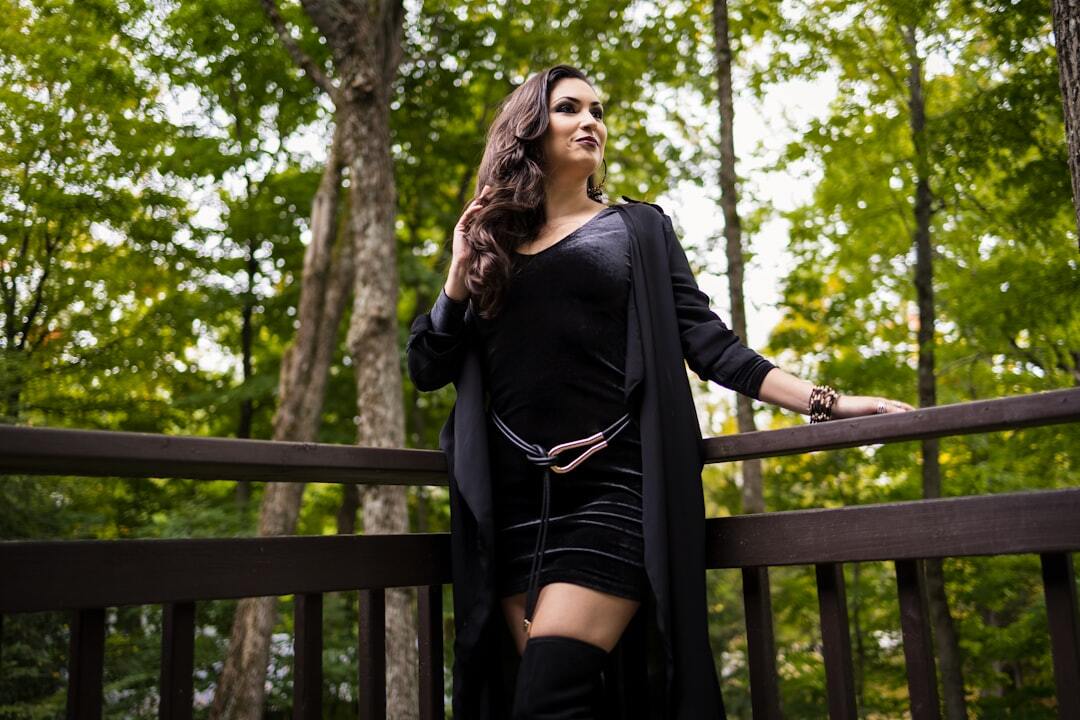
The Autumn Wardrobe Essentials That Do the Most Work
You do not need dozens of seasonal pieces. A small group of dependable wardrobe staples can create most of the outfits you need throughout early autumn.
- Trench coat: works over jeans and a T-shirt, tailored trousers, dresses and knitwear. Neutral shades such as stone, camel, navy or khaki are particularly versatile.
- Relaxed blazer: instantly makes summer basics feel more polished and works equally well over dresses, skirts and denim.
- Bomber, denim or utility jacket: a useful casual alternative when a blazer feels too formal.
- Cardigan: perhaps the easiest transitional knit because it can be adjusted throughout the day or worn across the shoulders when only occasional warmth is needed.
- Fine-knit jumper: lightweight crew-neck and V-neck styles layer neatly beneath trenches and blazers without creating bulk.
- Knitted vest: useful over shirts, T-shirts and dresses when it is too cool for one layer but too mild for a full jumper.
- Straight or wide-leg jeans: reliable with trainers, loafers and boots and easy to dress up or down.
- Tailored trousers: wear them casually with trainers and a T-shirt or switch to loafers, a shirt and blazer for something smarter.
- Midi or maxi skirt: continue wearing summer skirts with fine knitwear and gradually introduce heavier footwear and tights as autumn develops.
The strongest transitional pieces are the ones that work in several different combinations rather than only completing one particular outfit.
Change Your Shoes, Colours and Textures Gradually
Sometimes the simplest way to make an existing outfit feel more autumnal is to change what surrounds it rather than replacing the main pieces.
Footwear is an easy place to start. Loafers sit neatly between summer flats and winter boots, while ankle boots can instantly make lighter dresses and skirts feel more appropriate for cooler days. Clean trainers remain useful throughout autumn and help stop outfits becoming unnecessarily heavy too soon.
Texture makes an equally big difference. Try combining:
- Fine knitwear with satin or pleated skirts
- Leather loafers or ankle boots with denim
- Cotton shirts with wool trousers
- Suede accessories with simple neutral basics
- Lightweight knitwear beneath structured blazers or trench coats
Introduce richer fabrics one piece at a time rather than jumping immediately from summer linen to thick winter wool.
Your colour palette can change gradually too. Black, navy, cream, grey, camel and denim provide a useful neutral foundation, while shades such as burgundy, chocolate brown, olive, rust and deep plum can introduce an autumn feel through a cardigan, scarf, bag or pair of shoes.
You do not need every element of an outfit to match the season. One deeper colour or richer texture is often enough.
Five Easy Transitional Outfits to Wear on Repeat
Having a few dependable outfit combinations makes changeable mornings considerably easier. These formulas can all be adapted using clothes you may already own:
- White T-shirt + jeans + blazer + loafers
Add a trench coat on cooler mornings or remove the blazer if the afternoon warms up. - Summer dress + lightweight knit + ankle boots
A cardigan or fine jumper extends the life of a favourite dress without making it feel overly wintery. - White shirt + knitted vest + tailored trousers
Finish with trainers for a relaxed look or loafers when you want something smarter. - Midi skirt + fine-knit jumper + trainers
The knit gives a summer skirt a more autumnal feel while trainers keep the outfit easy and comfortable. - Jeans + shirt + trench coat + loafers
Add a cardigan underneath the trench on colder days or switch the loafers for ankle boots as autumn progresses.
Accessories can also make familiar outfits feel new. A leather belt can give layered clothing more definition, a lightweight scarf adds warmth without feeling wintry and swapping a straw tote for leather, suede or a more structured bag can subtly change the mood of an outfit.
Edit Your Wardrobe Before Buying Anything New
A change of season is a useful opportunity to see what you already own before adding more.
Move your most adaptable pieces towards the front of the wardrobe and keep a small number of summer clothes accessible rather than packing everything away at once. Heavy wool coats, thick roll-necks, thermal layers and your warmest winter accessories can usually stay in storage until temperatures genuinely require them.
It is also worth using the transition to deal with basic wardrobe maintenance:
- Wash or clean summer clothes properly before storing them.
- Deal with stains, loose buttons and small repairs now rather than next spring.
- Check autumn shoes for worn soles or heels before you need them regularly.
- De-pill knitwear and refresh jackets coming back into rotation.
- Wait a week or two before shopping so genuine gaps become obvious.
You may discover that you already own plenty of knitwear but lack one useful lightweight jacket, or that a comfortable pair of loafers would make several existing outfits considerably more wearable.
Buying to fill a genuine gap creates a much more useful wardrobe than trying to recreate an entirely new autumn look every year.
A Smoother Way to Dress for Cooler Days
The best autumn wardrobe essentials are not necessarily the newest pieces. They are the clothes that adapt as temperatures change and work easily with what you already own.
Keep useful summer basics in rotation, introduce lightweight knitwear and outerwear gradually, change your footwear and add deeper colours and richer textures as the season develops.
A well-edited transitional wardrobe should make getting dressed simpler, not give you more to think about. With a handful of versatile layers and a few reliable outfit combinations, cooler days become much easier to navigate.