
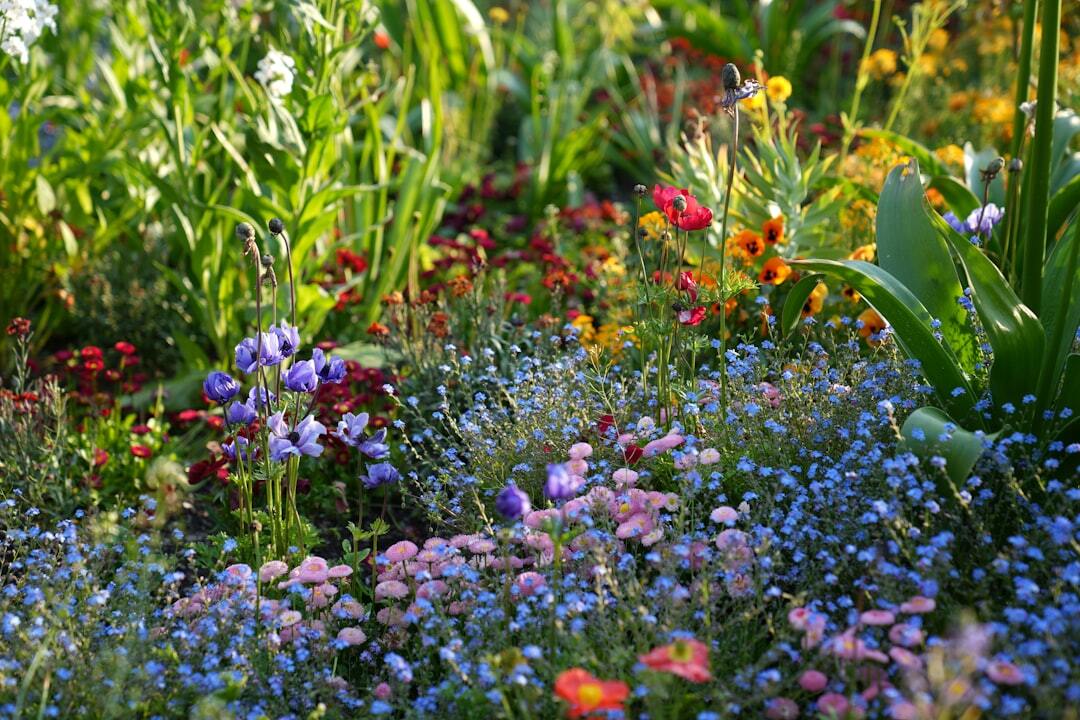
Late September and early autumn can be one of the best times of year to add hardy perennials to a UK garden. The soil is still holding on to summer warmth, rainfall is becoming more reliable and newly planted roots have time to establish before winter arrives.
Choose carefully and you can achieve two things at once: add vibrant late-season colour now while establishing plants that will return with an even stronger display next spring and summer. From Michaelmas daisies and rudbeckias still flowering into autumn to hardy geraniums, salvias and hellebores that will earn their place over the seasons ahead, there are plenty of reliable choices.
Here are some of the best hardy perennials to plant now, together with advice on choosing the right varieties for your garden and creating borders that provide colour for much more of the year.
Why Now Is a Great Time to Plant Hardy Perennials in the UK
Spring tends to receive most of the attention when it comes to planting, but autumn offers several advantages for hardy perennials. According to the Royal Horticultural Society, towards the end of September is a particularly good time to plant new perennials because the soil remains warm while moisture levels are increasing.
That combination encourages root growth without exposing new plants to the heat and dry conditions they can face when planted in late spring or summer. Cooler air temperatures also mean plants can concentrate more energy below ground rather than supporting lots of fresh top growth.
By the time spring arrives, well-established plants are ready to put their energy into new leaves and flowers. Autumn planting can therefore be just as much about preparing next year’s display as improving the garden today.
Colour Now or Next Year? What to Expect From Autumn Planting
It is worth being realistic about what “plant now for colour” means. Some hardy perennials are at their best during September and October and can make an immediate difference to a tired-looking border. Michaelmas daisies, sedums, Japanese anemones, rudbeckias and some salvias are good examples.
Others may have largely finished flowering for the year. Planting them now is still worthwhile because autumn gives them time to establish before their next flowering season.
A good approach is therefore to combine late-flowering perennials for colour now with varieties chosen for spring and summer. That way the border does not simply peak for a few weeks each year.
How to Choose the Right Hardy Perennials for Your Garden
The best perennial is not necessarily the one with the showiest flower. A plant that thrives in one part of the garden may struggle only a few metres away, so start with the conditions you actually have.
Look at how much direct sunlight the area receives, whether the soil stays damp or dries quickly and how exposed the position is during winter. Mature height and spread matter too, particularly when filling established borders.
Match Your Plants to Sun, Shade and Soil Conditions
Sunny, well-drained borders suit flowering perennials such as achillea, echinacea, salvia, rudbeckia and sea holly. Many originate from open habitats and perform best where they receive plenty of light.
Partial shade opens up a different palette. Japanese anemones, bergenias, hardy geraniums, hellebores and many heucheras cope well with lower light levels, while hostas are particularly useful where foliage rather than flowers needs to provide much of the impact.
Moisture matters just as much as sunlight. Some perennials tolerate dry conditions once established, while others prefer reliably moist but well-drained soil. Checking the requirements of an individual species or cultivar before planting is far more reliable than choosing purely by colour.
Look for Long Flowering Seasons and Reliable UK Hardiness
For maximum value, combine plants with different flowering periods rather than filling a border with varieties that all peak at the same time.
Spring-flowering hellebores and bergenias can lead into hardy geraniums and salvias, followed later by echinacea, rudbeckia, sedum and Michaelmas daisies. Evergreen and semi-evergreen foliage can then provide structure after the flowers have disappeared.
The RHS Award of Garden Merit can also be a useful indicator when comparing individual cultivars. The award is given to plants that have demonstrated reliable garden performance under appropriate conditions, although the right growing position remains essential.
Best Hardy Perennials to Plant Now for Autumn Colour
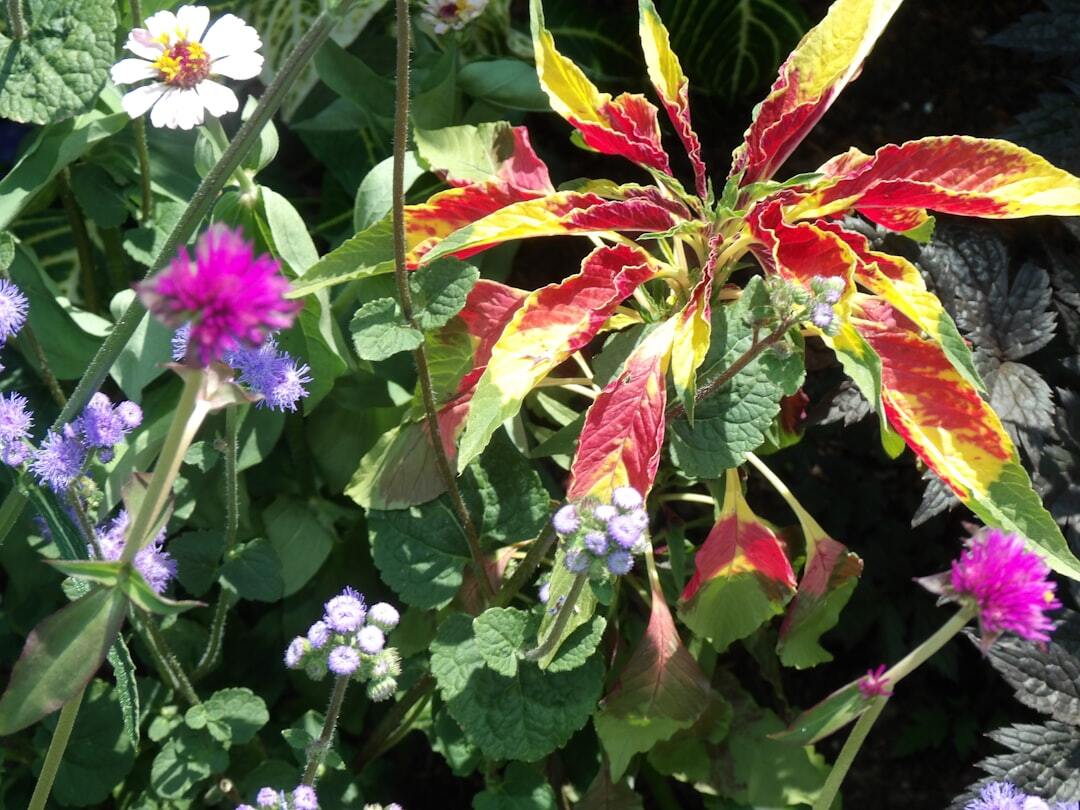
If your borders are beginning to lose their summer intensity, several hardy perennials reach their peak just as other plants start fading. Planting these in early autumn can provide an immediate lift while adding plants that should return year after year.
Michaelmas Daisies – Masses of Late Purple, Pink and Blue Flowers
Few perennials are as closely associated with the autumn garden as Michaelmas daisies. Their daisy-like flowers appear in shades ranging from white and pale lilac to rich purple and pink, often continuing well into autumn.
They are particularly effective when planted in groups towards the middle or back of a sunny border. Their late flowering period also makes them useful when much of the summer display is beginning to decline.
Aster × frikartii ‘Mönch’ is one notable choice, producing lavender-blue flowers and holding an RHS Award of Garden Merit.
Hylotelephium – Long-Lasting Flowers and Autumn Structure
Still widely known by gardeners as sedum, Hylotelephium is one of the most dependable plants for extending colour towards the end of the season.
Its broad flower heads develop from green buds into shades of pink, dusky red and bronze, while the succulent foliage provides structure before flowering begins. The flowers can also be left standing after they fade, adding shape to winter borders.
Hylotelephium ‘Herbstfreude’, often sold under its older Sedum name, is an RHS Award of Garden Merit variety and works particularly well alongside ornamental grasses and other late-flowering perennials.
Japanese Anemones – Elegant Late-Season Colour for Sun or Partial Shade
Japanese anemones bring height and movement to borders from late summer into autumn. Their simple pink or white flowers sit above branching stems and can brighten areas where stronger summer colours have begun to disappear.
They are especially useful in partial shade and towards the back of mixed borders. Once happy, established clumps can gradually spread, so allow them enough space to develop naturally.
Rudbeckia – Golden Flowers That Keep Borders Glowing
For warm autumn colour, rudbeckias are difficult to beat. Their yellow petals and dark central cones create a strong contrast against purples, blues and ornamental grasses.
Rudbeckia ‘Goldsturm’ is a familiar garden favourite, producing a long-lasting display from later summer onwards. Grow it in a sunny position with soil that does not become excessively dry.
Hardy Cyclamen – Autumn Flowers for Shadier Corners
Not every autumn display needs full sun. Cyclamen hederifolium produces delicate pink or white flowers around the beginning of autumn and is particularly attractive beneath deciduous trees and shrubs.
Its marbled foliage often becomes a feature in its own right after flowering. Over time, happy plants can naturalise to create informal drifts through shaded areas.
Heuchera – Colourful Foliage Long After the Flowers Fade
Flowers are only one way of bringing colour into an autumn garden. Heucheras are grown primarily for their foliage, with cultivars available in lime green, amber, bronze, purple, silver and deep burgundy.
Many retain their leaves through much of winter, making them particularly useful near paths, at the front of borders and in containers where their foliage can be appreciated at close range.
Hardy Perennials to Plant Now for More Colour Next Year
Autumn planting does not have to be limited to plants currently in flower. In fact, some of the most rewarding choices may look relatively unassuming at this point in the season.
Getting them into the ground while conditions are favourable gives their roots time to settle, helping establish a fuller border for the following year.
Hardy Geraniums – Reliable, Long-Flowering Border Plants
Hardy geraniums are amongst the most versatile perennials available to UK gardeners. Depending on the variety, flowers may be blue, violet, pink or white, and many produce repeated flushes over a long season.
Lower-growing varieties make excellent groundcover and edging plants, while larger forms can weave naturally between neighbouring perennials. Many cope with partial shade as well as sun, although individual requirements differ.
Salvia – Vibrant Flower Spires for Sunny Borders
Hardy perennial salvias provide upright flower spikes that contrast beautifully with rounded daisies and softer planting. Deep blues, violet, pink and purple varieties work particularly well in sunny mixed borders.
They are also popular with bees and other pollinating insects. Give hardy varieties a sunny position and free-draining soil, particularly where winters are wet.
Echinacea – Bold Summer Flowers With Lasting Seed Heads
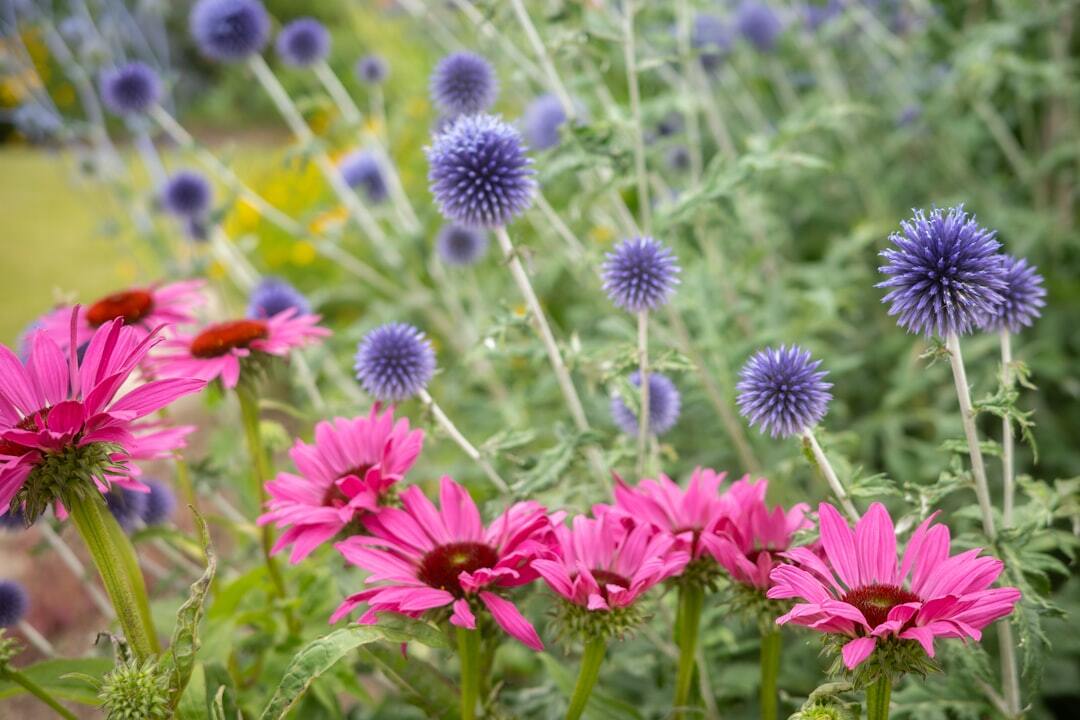
Echinacea, or coneflower, brings distinctive raised centres surrounded by colourful petals, with pink and purple cultivars amongst the best known.
It prefers a sunny position and soil with good drainage. After flowering, consider leaving at least some of the seed heads standing rather than cutting everything immediately to ground level. They continue to provide structure and can offer a food source for wildlife.
Hellebores – Hardy Colour for Winter and Early Spring
If the aim is to extend interest beyond the conventional gardening season, hellebores deserve a place in the border. Their flowers appear when relatively little else is happening, with varieties offering white, cream, pink, purple and almost black blooms.
Many perform well in partial shade and beneath deciduous shrubs, where they receive winter and early-spring light before the canopy fills out.
How to Create a Perennial Border With Colour Through the Seasons
A successful perennial border is rarely about finding one spectacular plant. The most convincing displays are combinations in which different plants take over from one another as the year progresses.
Layer Early, Mid-Season and Late-Flowering Perennials
Rather than thinking about individual plants in isolation, plan the border around a sequence of flowering periods.
Hellebores and bergenias can provide early interest, followed by geraniums, salvias and delphiniums. Echinacea, achillea and crocosmia can carry the display through summer before rudbeckia, sedum and Michaelmas daisies take over towards autumn.
There will inevitably be some overlap, and that is exactly what creates a border that feels abundant rather than one in which each display abruptly replaces the last.
Use Height, Texture and Repetition to Make Planting Look Intentional
Colour alone does not create a strong planting scheme. Think about the silhouette and texture of plants too.
Tall delphiniums or Japanese anemones can provide vertical accents, while the rounded flower heads of sedum contrast with the spikes of salvia and the daisy-like flowers of rudbeckia and echinacea.
Architectural plants such as sea holly and globe thistle introduce more defined shapes. Their blue and metallic tones work particularly well amongst softer perennial planting.
Repeating the same plant in several places can also make a border feel more coherent. Three or five smaller groups of one variety will often create a stronger effect than using a different perennial in every available gap.
Add Pollinator-Friendly Perennials for Colour and Wildlife
Many colourful perennials have the additional advantage of providing nectar and pollen. Salvias, echinacea, asters, sea holly and globe thistles can all attract visiting insects when in flower.
A mixture of flower shapes and flowering times gives different species opportunities to feed across a longer part of the year. Late-flowering plants are especially useful as the number of other available flowers begins to decrease.
Hardy Perennials for Sun, Shade and Different Garden Conditions
Choosing plants for the conditions you have is one of the simplest ways to reduce maintenance and improve flowering.
Best Hardy Perennials for Full Sun
Sunny borders provide the widest choice. Consider plants including:
- Achillea
- Echinacea
- Rudbeckia
- Hardy salvia
- Sea holly (Eryngium)
- Globe thistle (Echinops)
- Hylotelephium
- Many Michaelmas daisies
For the best results, match the plant’s moisture requirements to your soil rather than assuming every sun-loving perennial will tolerate drought.
Best Hardy Perennials for Partial Shade
Partial shade does not have to mean sacrificing colour. Depending on the soil and exact light levels, useful choices include:
- Japanese anemones
- Hardy geraniums
- Hellebores
- Heucheras
- Bergenias
- Hostas
Foliage becomes particularly important in shaded areas. Combining different leaf colours and shapes can keep the planting interesting even when relatively few plants are flowering.
Hardy Perennials for Drier Soil
Once established, plants such as achillea, sea holly and some euphorbias can cope well with comparatively dry conditions. Free drainage is especially important for plants that dislike sitting in cold, wet ground during winter.
Remember that even drought-tolerant perennials need regular watering while newly planted. Their tolerance generally develops once a healthy root system has become established.
How to Plant Hardy Perennials in Autumn
Planting hardy perennials is relatively straightforward, but a little preparation can make a significant difference to how successfully they establish.
Prepare the Soil Before Planting
Remove perennial weeds before planting, particularly around established borders where their roots may otherwise become tangled amongst the new plants.
Loosen compacted soil and incorporate suitable organic matter where required. Avoid planting into ground that is completely waterlogged, and be more cautious with autumn planting if your garden sits on very heavy, persistently wet clay.
Plant at the Correct Depth and Water Thoroughly
For most container-grown perennials, position the plant so the top of its root ball sits roughly level with the surrounding soil. Firm the soil gently around it and water thoroughly to settle the roots.
Do not assume autumn rain means watering is unnecessary. Newly planted perennials can still dry out during rainless periods, particularly while roots remain confined to the original root ball.
A layer of organic mulch around the plants can help retain moisture, improve soil conditions and suppress weeds. Keep mulch away from the crowns rather than burying the centre of each plant.
What to Cut Back – and What to Leave Standing Over Winter
There is no need to make every perennial border perfectly tidy as soon as autumn arrives. Seed heads and dry stems can add shape during winter while providing shelter and food for garden wildlife.
The RHS recommends leaving much perennial cutting back until later in winter, although collapsed, diseased or mushy growth can be removed earlier.
Plants such as echinacea, sedum and ornamental grasses are particularly effective when their dried forms are left standing.
Best Hardy Perennials for Pots and Smaller Gardens
You do not need a large herbaceous border to enjoy hardy perennials. Many perform extremely well in containers, making it possible to create long-term displays on patios, terraces and in smaller gardens.
Compact heucheras are particularly effective because their foliage provides colour over a long period. Smaller hardy geraniums, bergenias, hellebores and some compact salvias are also worth considering.
Use a generously sized, frost-resistant container with adequate drainage and choose a peat-free compost suitable for longer-term planting. Plants in pots cannot draw moisture from the surrounding ground, so continue checking them during dry weather even through autumn and winter.
Choosing Perennials for Colour That Comes Back Every Year
The real value of hardy perennials is not simply the display they create in their first season. A well-chosen plant can become part of the structure of a garden for years, often becoming larger and more impressive as it establishes.
For immediate autumn impact, look towards Michaelmas daisies, rudbeckia, Japanese anemones, sedum and colourful foliage plants such as heuchera. At the same time, use the autumn planting window to establish geraniums, salvias, echinacea, hellebores and other dependable varieties ready for the seasons ahead.
Above all, choose according to the conditions in your own garden. The combination of the right plant, the right position and a mixture of flowering seasons will do far more for lasting colour than simply buying whatever happens to be flowering at the garden centre today.
Frequently Asked Questions About Hardy Perennials
What are the best hardy perennials to plant in autumn?
There are many suitable choices, including hardy geraniums, hellebores, echinacea, rudbeckia, achillea, Japanese anemones, Michaelmas daisies, bergenias and hylotelephiums. The best choice depends on sunlight, soil type, moisture and the amount of space available.
Is September too late to plant perennials in the UK?
No. Late September is actually an excellent planting period for many hardy perennials in the UK. Soil remains relatively warm while cooler weather and increasing rainfall create favourable conditions for root establishment.
Can you plant hardy perennials in October?
Yes. Many hardy perennials can be planted during October provided the ground is workable and not waterlogged. Container-grown hardy plants can often be planted throughout autumn, although very wet soil, exposed locations and slightly tender plants may make spring planting preferable.
Which hardy perennials flower for the longest?
Flowering length varies between cultivars and growing conditions, but hardy geraniums, salvias, achilleas and some asters are particularly valued for long flowering periods. Deadheading suitable varieties can sometimes encourage further flowers.
What are the best hardy perennials for full sun?
Good options include echinacea, rudbeckia, achillea, perennial salvias, sea holly, globe thistle and many varieties of Michaelmas daisy. Always check individual plant requirements because preferences for soil moisture and drainage vary.
Which hardy perennials grow well in shade?
Hellebores, hostas, bergenias, heucheras and many hardy geraniums perform well in partial or dappled shade. Japanese anemones are another useful choice for positions that receive some shade, particularly where the soil remains reasonably moist.
What are the easiest hardy perennials for beginners?
Hardy geraniums, bergenias, rudbeckias, sedums and many heucheras are generally reliable choices when planted in suitable conditions. Choosing a plant that naturally suits your soil and light levels will usually make a bigger difference than selecting purely on appearance.