
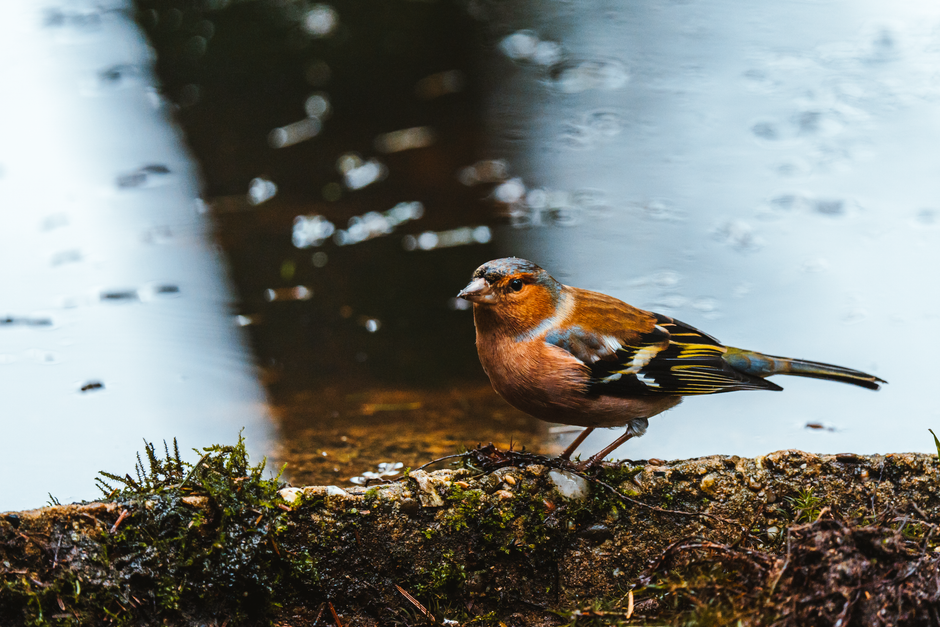
Kent offers some of the most captivating birdwatching on the British coast, with sweeping marshes and estuaries rich in species year-round. Whether you are seeking a calm day with binoculars, a family wildlife adventure, or a weekend break surrounded by nature, the abundance of coastal reserves means there is something here for everyone who enjoys the outdoors or seeks a new experience.
From the wild reaches of Dungeness to the peaceful banks of the Swale Estuary, exploring birdlife in Kent delivers both rare sightings and the simple pleasure of escape. There are also inspiring locations to extend your visit, including countryside cottages and retreats perfect for a restful getaway close to nature.
Unforgettable Marshes: Oare Marshes and Faversham
Oare Marshes, nestled on the banks of the Swale Estuary near Faversham, is considered one of the finest birdwatching destinations in the county. Managed as a nature reserve, its mosaic of grazing marsh, reedbed, open water, and muddy dykes draws an ever-changing population of waders, ducks, and rarities. Spring and autumn migration peaks are notable here, when thousands of birds pass through or pause to feed. Key species often spotted include avocet, bearded tit, and marsh harrier, with potential glimpses of rarities like the pectoral sandpiper for more seasoned spotters. Throughout the year, Oare Marshes offers well-marked paths and accessible viewing points, making it popular with families, beginners, and photography enthusiasts alike. The nearby market town of Faversham provides refreshment options and is a charming base for an extended nature break.
Elmley: A Unique Stay with Unmatched Wildlife
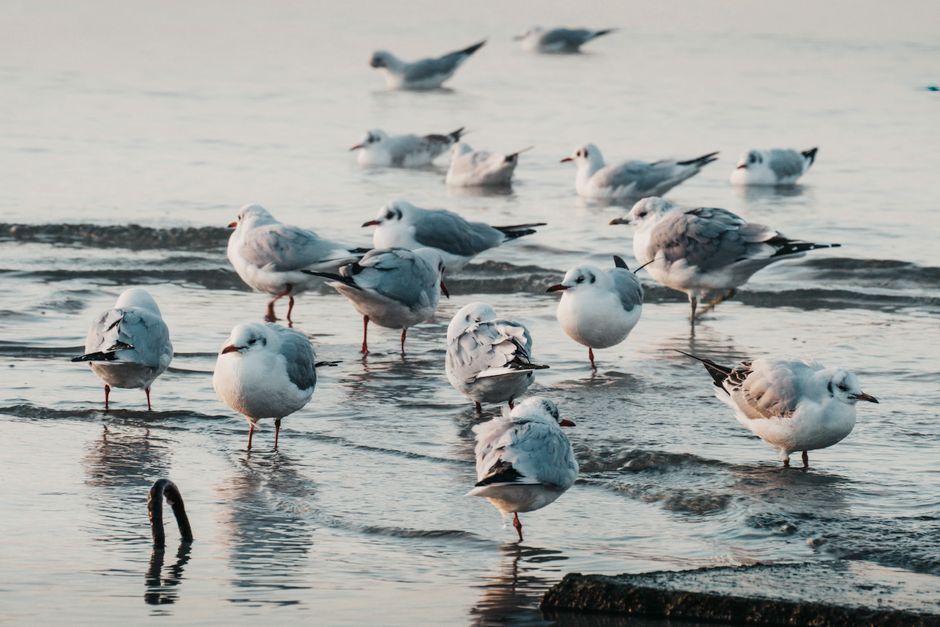
Elmley National Nature Reserve, set on the Isle of Sheppey, is the only reserve of its kind in the UK that offers overnight accommodation on-site. Spanning over 3,300 acres of wilderness, Elmley is a haven for lapwings, owls, marsh harriers, and hares. Visitors are treated to sweeping sunrise and sunset views from hides, trails, or even their accommodation windows. Popular with families and couples, the reserve welcomes guests to enjoy slow-paced mornings listening to skylarks and evenings watching stars. Autumn, in particular, is regarded as a peak period for birdwatching, as large flocks gather on the marshes. Elmley also plays an active role in conservation efforts, and staying overnight directly supports the ongoing protection of habitats and species. The experience demonstrates how a loved natural environment can be at the heart of sustainable leisure.
Reserve Highlights: Dungeness, Cliffe Pools, and Cooling Marshes
The Dungeness National Nature Reserve, near Lydd, is famous for its wild shingle landscape and historic value as one of the country’s most unique RSPB reserves. It is home to three Scheduled Ancient Monuments and attracts keen birdwatchers each year with its mile upon mile of habitat drawing migrants and rare vagrants. Signature species at Dungeness include the bittern, great white egret, and migratory visitors such as the black redstart.
Cliffe Pools and Cooling Marshes Nature Reserves are stand-outs for a wealth of waterbirds and waders, with vast wetland vistas and open skies. These sites are well-served by walking routes and hides for an immersive day out, and provide opportunities for group and accessible activities, from informal family spotting to more serious birding challenges. Each reserve is linked to the wider network of protected estuarine and coastal habitats that make the Kent coast so remarkable.
Where to Stay: Countryside Breaks at Crabtree Farm
For those wishing to extend the birdwatching adventure, Crabtree Farm offers charming retreats including Weir Cottage and The Garden at Crabtree Farm. These self-catering escapes blend rural comfort with easy access to the area’s celebrated wetlands and coastal reserves. Ideal for couples, friends, or small groups, the cottages provide direct access to walking and wildlife-rich landscapes while serving as a restful base to unwind after a day spotting bitterns or barn owls.
A popular recommendation for securing your birdwatching break is to book ahead, with some accommodations offering the opportunity to secure your stay for just £10. Enjoying a break immersed in nature, from dawn chorus to quiet evening, elevates the experience well beyond a single day trip and encourages a wider appreciation for rural Kent.
Planning Tips: Booking, Access, and Wildlife Etiquette
With Kent’s coastal bird reserves growing in popularity, booking accommodation or guided sessions ahead of your visit is recommended, especially during the migration seasons. Many reserves offer visitor information, mapped trails, and accessible facilities, although some sites are wilder and require appropriate footwear and preparation. When exploring, respectful wildlife watching is key: keep to marked paths, avoid excessive noise, and use binoculars for a closer look without disturbance. Many reserves feature designated hides, perfect for both keen birders and newcomers. Bringing a field guide or bird identification book can help make the most of any unfamiliar sightings, and children often enjoy ticking off species on simple checklists. Supporting local reserves through entry fees, donations, or purchases helps to sustain habitats and ongoing conservation work for birds and wider wildlife.