
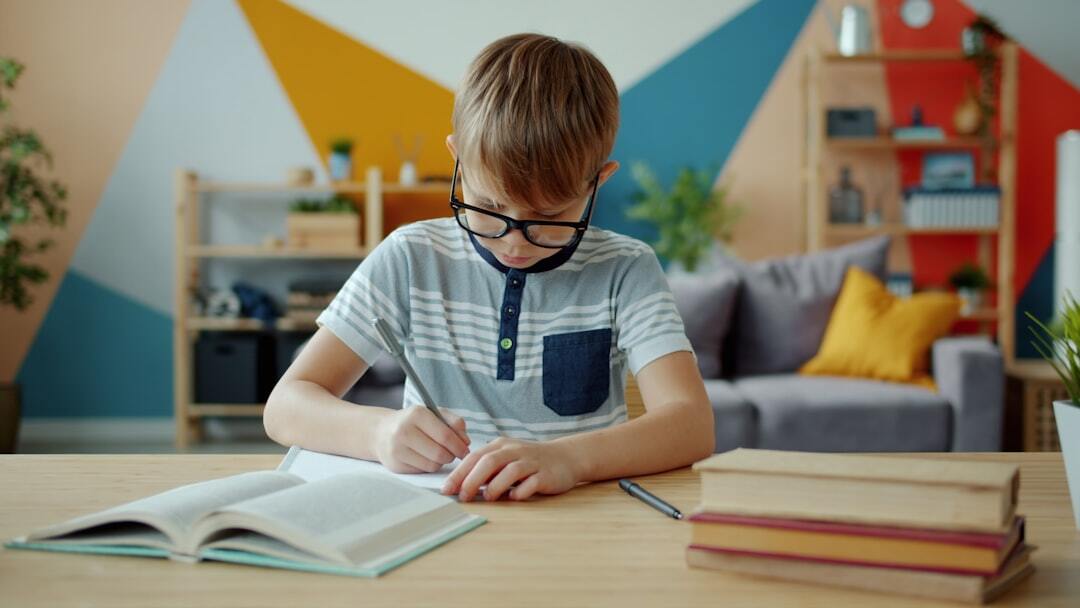
Every child deserves a peaceful, personalised space that helps them focus, create and thrive after school. A thoughtful homework station can motivate good study habits, while making learning feel much less like a chore. Whether you’re aiming for a mini study nook or reinventing the kitchen table, the right set-up can spark your child’s excitement for their homework routine.
Choosing and Shaping the Ideal Homework Space
Your first step to creating a dynamic homework station for your child is selecting the right space in your home. Begin by considering whether you have a dedicated room, a corner in the kitchen, or simply a stretch of unused wall. If space is tight, repurposing an underused closet or a built-in alcove can carve out a charming, practical study nook. Some families opt for an armoire office that closes neatly when not in use. You do not need a huge room to create a focused zone, a compact corner with good lighting and minimal distractions works wonders. If your home feels packed, experiment with multi-functional rooms where a dining table doubles as a study spot after mealtimes. The ideal spot ultimately depends on what works best for your family and space.
Organisation, Storage and Decluttering for Young Minds
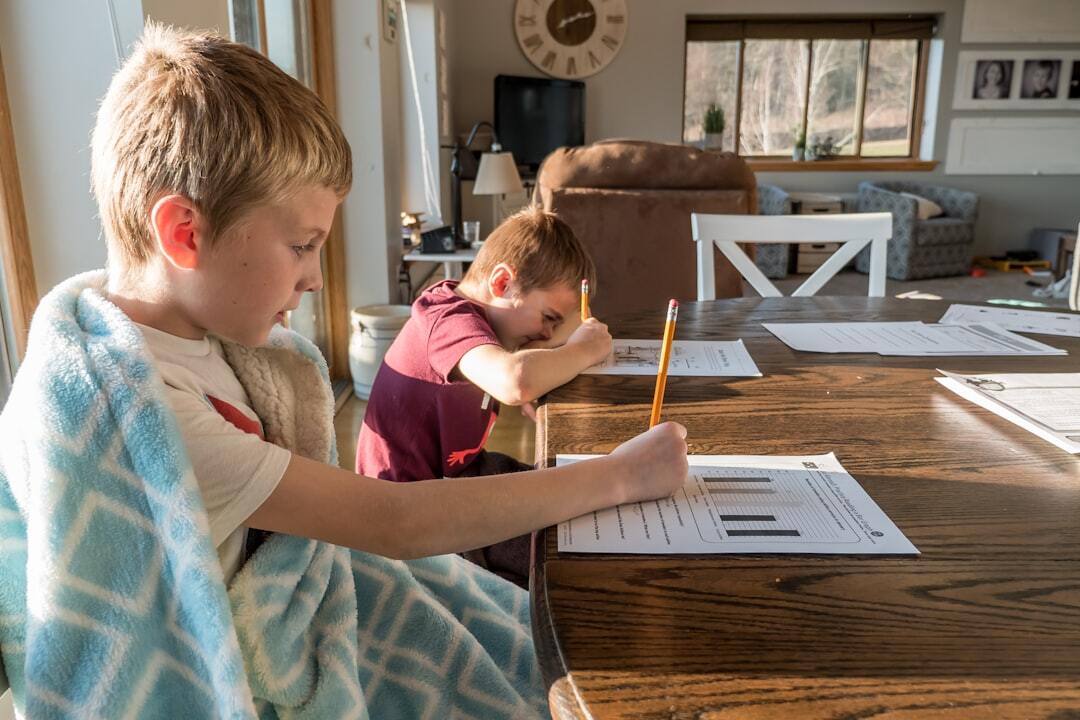
Even for most adults it’s hard to work in a mess, so clutter-free organisation is vital for kids too. Equip the homework station with shelves, stackable trays or drawer units for books, stationery and loose papers. Wall-mounted organisers and pegboards use vertical space to keep supplies easy to find but out of the way. Clearly-labeled containers for pens, pencils, and other essentials help nurture habits around sorting and tidying. Storage solutions should also evolve as your child grows, young children might need bins with pictures, while older students may prefer drawer organisers or magazine files. By creating a workspace with a comfortable chair, ample lighting and ready access to supplies, you are well on your way to giving your child everything they need for productive study.
Designing a Cosy, Inspiring Atmosphere
From soft blankets to fluffy pillows, a cosy homework space can transform into a cocoon for learning. Layered lighting, overhead, task lamps, or even string lights, helps set the right tone. Colour affects focus and creativity, so bring in calming blues or greens for concentration, or energising accents such as yellow for a fun twist. Make the area personal with your child’s chosen décor. Pin up motivational quotes, favourite artwork, or a board for displaying their latest accomplishments and study reminders. Flexible seating options like a beanbag or a wobble stool can be especially helpful for children who prefer to shift positions while they work. The more your child can add their touch, the more inspired they’ll feel in their space.
Don’t Forget the Snack Drawer

Did someone say snack drawer? Keeping a small basket or caddy of healthy, quick snacks nearby can keep children energised without major interruptions. Rotating choices, from oat bars to fruit, can help them build independence around self-care. Position water bottles within easy reach to encourage hydration during study time. If the homework station is set up near the kitchen, it’s simpler to integrate healthy nibbles into the afterschool routine. Just remember to avoid highly sugary items that could derail concentration. This seemingly small addition can support better focus and make the experience even more inviting.
Routine and Flexibility: Building Productive Habits
Establishing a consistent afterschool routine can inspire positive habits, prioritisation skills and academic success. Help your child to start their homework at roughly the same time each day, with a visible clock or timer nearby to manage sessions and breaks. Use checklists or visual planners so your child can literally see their progress, building a sense of accomplishment. Flexibility is key: if sports, music or family events vary your schedule, adapt the afterschool routine accordingly. What matters most is making the homework station a positive, low-pressure space, whether your child needs extra support or prefers independent work. Over time, a set routine balanced with encouragement turns study time into something your child can enjoy, and even look forward to.