
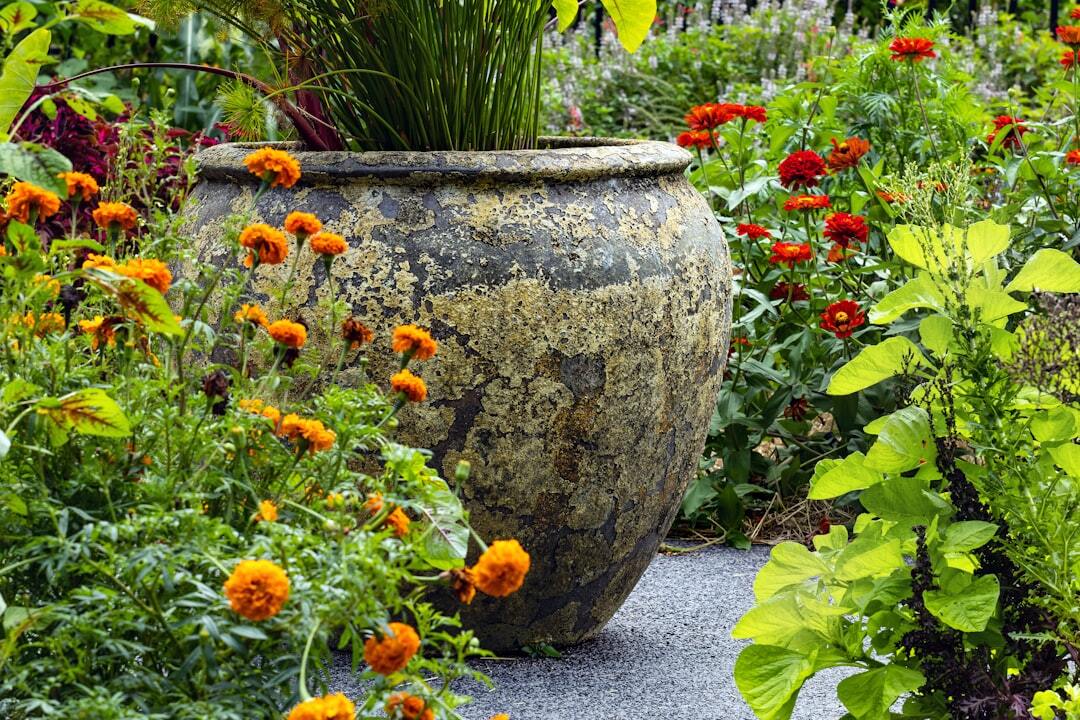
A lively, biodiverse garden alive with bees, butterflies, and even the occasional hummingbird is within reach for gardeners of all experience levels. Creating inviting habitats for pollinators not only ensures spectacular displays of bloom and foliage but also plays a vital role in food security and the wider ecosystem.
By incorporating thoughtful plant choices and imaginative garden design, anyone can help counter the decline in pollinator populations and enjoy the life and colour these vital creatures bring to every green space.
Why Support Pollinators in Your Garden?
Pollinators such as bees, butterflies, and hummingbirds are essential for the health of gardens and the wider environment. Their role in transferring pollen allows not only wildflowers to flourish but directly affects food crops and ornamental plants. In regions like the Pacific Northwest or any UK garden, the presence of pollinators maintains biodiversity and promotes a continuous cycle of blooms, fruit, and seed heads, underpinning ecological resilience. Unfortunately, pollinator numbers are in decline due to habitat loss, chemical use, and reduced floral diversity. By supporting pollinators, you help preserve this essential link in nature while enjoying the benefit of a more abundant, beautiful garden.
Creative Plant Choices for Diverse Pollinators
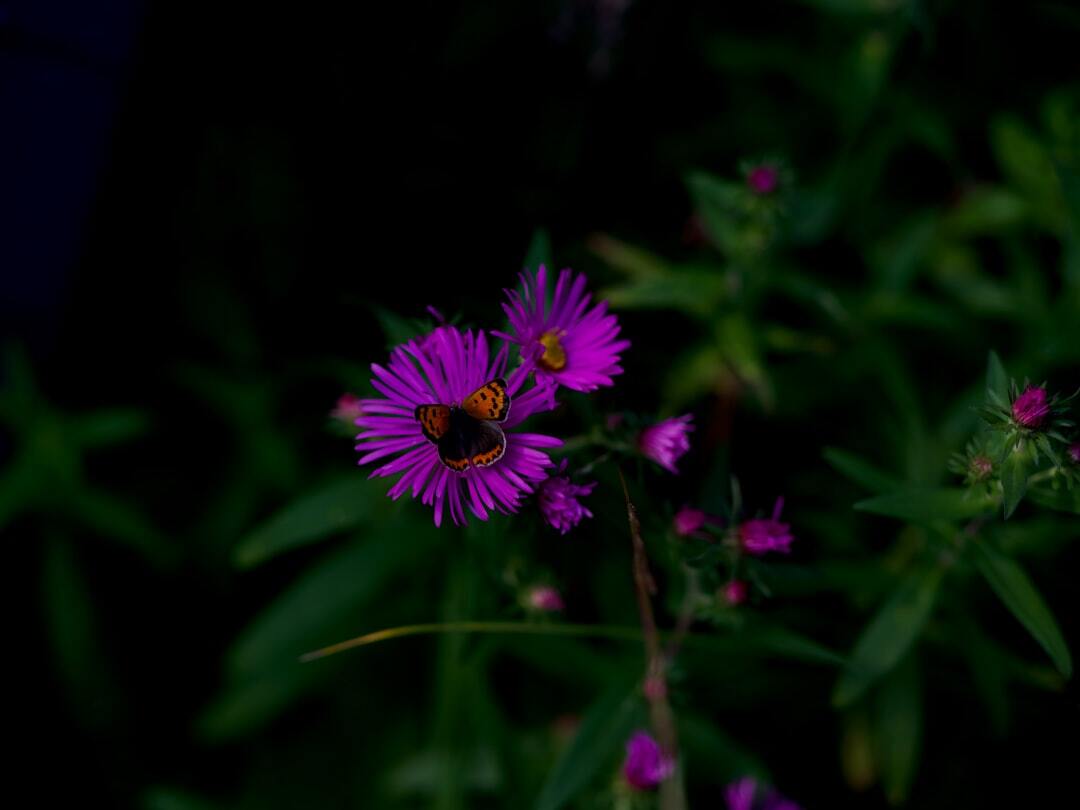
The foundation of a pollinator-friendly garden is varied planting that provides continuous food sources. Use the RHS Plants for Pollinators lists as a starting point, prioritising nectar- and pollen-rich species. Select a mix of annuals and perennials, incorporating native wildflowers like foxgloves, knapweed, and scabious alongside non-natives such as salvias or verbenas for a long-lasting display. For bees, opt for open, single-flowered varieties with easy access, while butterflies appreciate flat or clustered flower heads such as sedum or buddleia, which accommodate their wider wings. Incorporating edible herbs and vegetables such as lavender, borage, mint, or heirloom varieties of beans can diversify your planting and attract a wide array of pollinating visitors. In container gardens or limited spaces, window boxes or vertical living walls filled with pollinator favourites bring wildlife even to small patios and balconies.
Designing Your Space for Maximum Appeal
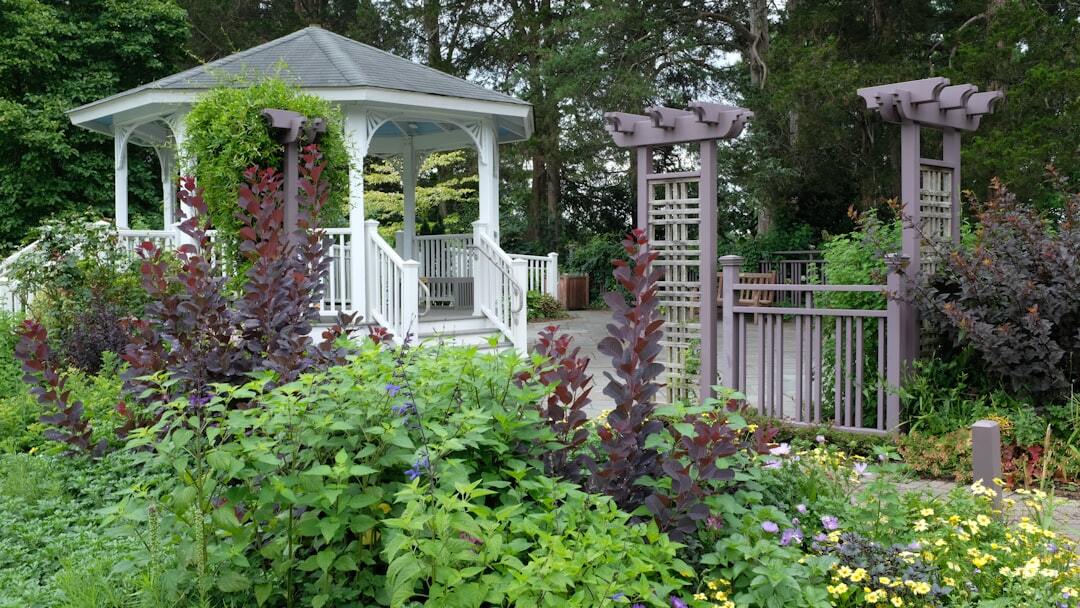
Pollinators thrive where their needs are anticipated in every feature of the garden. Group flowering plants in clusters or drifts rather than scattering, creating bold ‘targets’ that are more enticing to bees and butterflies. Plan for overlapping bloom periods by selecting plants flowering from early spring to late autumn, ensuring there is always food available. Integrate vertical features such as trellises with climbers, or design-in wildflower strips between vegetable beds to encourage movement across your garden. Lawns can be partially converted to native ‘bee lawns’, and even small makeovers, like leaving sections to grow long or allowing dandelions to bloom, offer valuable habitat. If you have space, a colourful hedge of native shrubs (hawthorn, blackthorn, dog rose) creates shelter, forage and nesting opportunities in one. Creative hard landscaping, such as placing stones or logs in sunny borders, provides sheltered basking spots that butterflies favour on cool days.
Inspiring Habitat Features Beyond Flowers
A pollinator garden goes further than just blooms. Provide nesting options by installing bee hotels, which cater to solitary bees by offering drilled logs or hollow stems in sunny, sheltered corners. Piles of twigs, stones, and undisturbed leaf litter are simple ways to create habitats for overwintering butterflies, moths, and a host of beneficial insects. Fresh water is essential but often overlooked: a shallow dish with pebbles offers a safe sip for busy pollinators, especially in hot or dry spells. Allowing parts of your garden to remain untidy, with old stems or faded grasses, gives pollinators a place to hide, reproduce, or hibernate. For those with the interest and space, companion features such as installing a nectar feeder for butterflies or hummingbirds, or establishing a small log pile, can make a perceivable difference to visiting wildlife diversity.
Seasonal Maintenance: Sustainable and Careful Practices
Supporting pollinators is not just about planting but ongoing garden care. Minimise or ideally eliminate the use of chemical pesticides and herbicides, which can inadvertently harm both pollinators and their food sources. Instead, encourage natural pest predators and hand-pick as needed. Regularly deadhead annual flowers to extend blooming, but always leave some seed heads for later-in-the-year food and nesting. Use organic fertilisers and mulch, such as seaweed meal or home-composted leaf litter, to nurture healthy soil that supports robust, resilient plants. When tidying in autumn or spring, leave some stems standing and avoid clearing all debris: these provide crucial winter shelter for pollinator insects. With careful, wildlife-conscious maintenance, you create an inviting and sustaining landscape for pollinators year after year.
Small Spaces, Big Ideas: Pollinator Havens Anywhere
Even the most compact gardens or urban spaces can become buzzing pollinator havens with creative thinking. Window boxes, balcony planters, and hanging baskets filled with pollinator-friendly plants punch above their weight in supporting urban bees and butterflies. Vertical gardens, such as green walls or trellises clad in flowering climbers, maximise space and offer visual drama while benefitting pollinators. Choose drought-tolerant varieties if watering is a challenge, and use recycled containers to create mini meadows on patios or doorsteps. If you have a small lawn, try a ‘no-mow’ section in spring, or scatter wildflower seeds in bare patches. Growing herbs on a sunny windowsill provides nectar for pollinators and fresh flavour for your kitchen. Every space counts: what matters is the intentional inclusion of plants and features that put pollinator welfare at the heart of your design.