
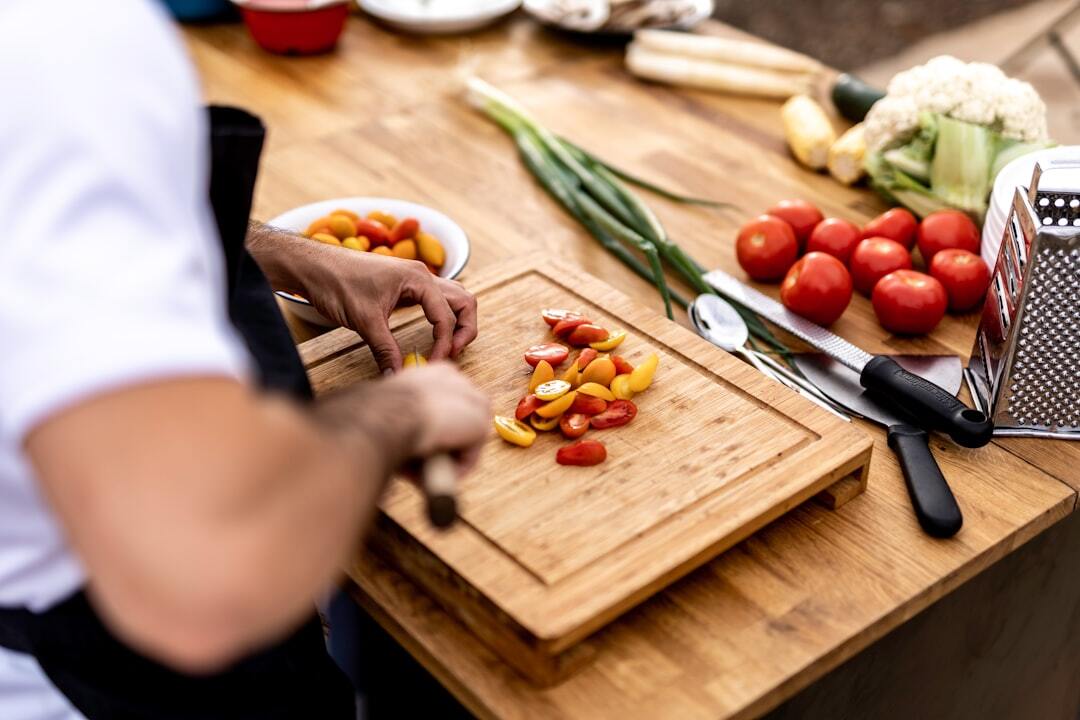
On the busiest weeknights, the difference between cooking dinner and reaching for the easiest possible alternative can simply be how much effort you expect afterwards. One-pot meals solve much of that problem by cooking the main ingredients together, cutting down on pans, washing-up and the amount of time spent moving between different parts of the meal.
They do not have to mean heavy stews either. Pasta, rice, chicken, vegetables, beans and lentils can all become quick one-pot dinners, and many of the best recipes are flexible enough to accommodate whatever is already in the fridge. The trick is knowing when ingredients need to go into the pan rather than throwing everything in at once and hoping for the best.
How to Make One-Pot Cooking Actually Work
The simplest one-pot dinners still benefit from a little order. Start with ingredients that build flavour, usually onion, garlic or other aromatics, followed by meat or sausages if they need browning. Liquids, tomatoes, rice or pasta can then go in before quicker-cooking vegetables such as peas, spinach or broccoli are added towards the end.
This matters because a piece of carrot and a handful of spinach clearly do not need the same cooking time. Adding everything together from the beginning can leave some ingredients undercooked while others disappear into the sauce. Instead, think of the recipe as several quick stages happening in the same pan.
A useful one-pot cupboard does not need to be extensive. Tinned tomatoes, chickpeas, beans, rice, dried pasta, stock and a few herbs or spices provide the foundations for dozens of meals. Frozen peas, spinach and mixed vegetables are equally useful because they can be added straight from the freezer when fresh ingredients are running low.
One-Pot Chicken and Tomato Orzo
Serves: 4
Ready in: Around 30 minutes
Orzo looks like rice but cooks like pasta, making it particularly useful for a one-pan dinner because it absorbs the cooking liquid and releases enough starch to create a silky sauce without needing another pan.
You will need:
- 500g boneless chicken thigh or breast, cut into bite-sized pieces
- 1 onion, finely chopped
- 2 garlic cloves, crushed
- 250g orzo
- 400g tin chopped tomatoes
- 500ml chicken stock
- 1 red pepper, chopped
- 100g frozen peas or a couple of handfuls of spinach
- 1 teaspoon dried oregano
- A little olive oil
- Grated Parmesan or another hard cheese, optional
Heat a little oil in a large lidded frying pan or casserole and brown the chicken. Add the onion and pepper and cook until they begin to soften, then stir in the garlic and oregano. Add the orzo, tomatoes and stock, bring everything to a gentle simmer and cook until the pasta is tender, stirring occasionally so it does not catch on the bottom.
Add frozen peas for the final few minutes or stir spinach through just before serving. If the orzo absorbs the liquid before it is tender, add a splash more water. Finish with grated cheese if you like. For adults who want more punch, chilli flakes can go on at the table rather than into the family pan.
Sausage, Tomato and Butter Bean Stew
Serves: 4
Ready in: Around 30 minutes
This is a useful dinner for colder evenings because it feels substantial without requiring potatoes, rice or pasta to be cooked separately. Butter beans give the sauce extra body and stretch a pack of sausages further.
You will need:
- 8 sausages
- 1 onion, sliced
- 2 carrots, chopped
- 1 red pepper, chopped
- 2 garlic cloves, crushed
- 400g tin chopped tomatoes
- 400g tin butter beans, drained
- 250ml chicken or vegetable stock
- 1 teaspoon smoked paprika or dried mixed herbs
- A handful of spinach, optional
Brown the sausages in a large casserole or deep frying pan, then add the onion, carrots and pepper. Cook for several minutes before stirring in the garlic and seasoning. Pour in the tomatoes and stock, cover and simmer until the sausages are cooked and the carrots are tender.
Add the drained butter beans for the final five to ten minutes so they warm through without completely breaking apart. Spinach can be stirred in at the end. Serve as it is or add crusty bread if everyone is particularly hungry.
Vegetarian sausages work here too, although their cooking instructions can vary, so adjust when they are added to the pan accordingly.
Creamy Chicken, Pea and Pasta

Serves: 4
Ready in: Around 20 minutes
If you have leftover cooked chicken, this is one of the quickest meals in the article. Everything can be prepared in the same saucepan, and frozen peas mean there is no vegetable chopping required.
You will need:
- 350g short pasta
- 175g frozen peas
- 200g cooked chicken, chopped
- 2 tablespoons crème fraîche or soft cheese
- 1 teaspoon Dijon mustard, optional
- A squeeze of lemon
- Black pepper
- A little grated cheese, optional
Cook the pasta in a large saucepan according to the packet instructions. Add the peas to the same water for the final two or three minutes, then drain, reserving a little of the cooking water.
Return the pasta and peas to the pan and stir through the cooked chicken, crème fraîche or soft cheese and mustard. Add enough reserved cooking water to loosen the sauce and warm gently until the chicken is piping hot. Finish with lemon and black pepper.
Sweetcorn, chopped cooked broccoli or spinach can all be added without changing the basic recipe. It is also an excellent way to use chicken left from a Sunday roast rather than cooking another piece of meat from scratch.
One-Pot Beef and Bean Chilli
Serves: 4–6
Ready in: Around 35 minutes
Chilli is particularly useful for family cooking because the heat can be kept mild in the main pan and increased individually afterwards. It also freezes well, so making more than you need can solve another night’s dinner.
You will need:
- 500g beef mince
- 1 onion, chopped
- 1 red pepper, chopped
- 2 garlic cloves, crushed
- 1 teaspoon ground cumin
- 1 teaspoon mild smoked paprika
- 400g tin chopped tomatoes
- 400g tin kidney beans, drained
- 150g long-grain rice
- Approximately 400ml beef stock
- Sweetcorn, optional
Brown the mince in a large deep pan, breaking it up as it cooks. Add the onion and pepper and cook until softened, followed by the garlic and spices. Stir through the tomatoes, kidney beans, uncooked rice and stock.
Cover and simmer gently until the rice is tender, stirring occasionally and adding a little extra water if the mixture becomes too dry before the rice has finished cooking. Sweetcorn can go in towards the end.
Serve with yoghurt, grated cheese or avocado if wanted. Put chilli sauce, sliced fresh chilli or extra seasoning on the table for anyone who wants more heat.
One-Pot Tomato and Vegetable Pasta
Serves: 4
Ready in: Around 25 minutes
This is the sort of meal worth learning as a formula rather than a fixed recipe. The pasta cooks directly in the tomato sauce, absorbing flavour as it softens and creating a thicker sauce from its starch.
You will need:
- 350g short pasta
- 1 onion, chopped
- 2 garlic cloves, crushed
- 1 courgette, chopped
- 1 pepper, chopped
- 400g tin chopped tomatoes
- Approximately 700ml vegetable stock or water
- 1 teaspoon dried oregano or mixed herbs
- 100g spinach
- Grated cheese to serve, optional
Cook the onion, courgette and pepper in a large pan with a little oil until they begin to soften. Add the garlic, tomatoes, dried herbs, pasta and most of the liquid. Bring to a gentle simmer and cook uncovered or partially covered, stirring regularly so the pasta cooks evenly.
Add more liquid if necessary rather than pouring everything in at once; different pasta shapes absorb different amounts. Stir the spinach through when the pasta is almost ready and finish with cheese if wanted.
Mushrooms, peas, sweetcorn, broccoli or finely chopped carrots can all replace the vegetables above. For extra protein, stir in a drained tin of cannellini beans or chickpeas.
Mild Coconut Chickpea Curry
Serves: 4
Ready in: Around 30 minutes
A chickpea curry provides an easy meat-free night without needing specialist substitutes. Coconut milk creates a mild sauce, while the vegetables can change according to what needs using.
You will need:
- 1 onion, chopped
- 2 garlic cloves, crushed
- A small piece of ginger, grated
- 1–2 tablespoons mild curry paste
- 400g tin chickpeas, drained
- 400ml tin coconut milk
- 1 small sweet potato, cut into small cubes
- 200g cauliflower florets
- 100g spinach or frozen peas
- A squeeze of lime or lemon
Cook the onion until soft, then add the garlic, ginger and curry paste and stir for a minute. Add the chickpeas, coconut milk, sweet potato and enough water to loosen the sauce. Cover and simmer gently until the sweet potato is nearly tender, then add the cauliflower.
Finish with spinach or peas and a squeeze of citrus. If your family prefers an even milder curry, use less paste in the pan and allow adults to add chilli oil or fresh chilli to their own portions.
This can be eaten on its own as a thick stew, with flatbreads, or with microwave rice if you want to keep the cooking itself to one pan.
One-Pot Salmon, Pea and Lemon Rice
Serves: 4
Ready in: Around 30 minutes
Fish can work just as well in one-pot cooking provided it is added late enough to avoid overcooking. In this simple rice dish, the salmon steams gently on top while the rice finishes underneath.
You will need:
- 250g long-grain rice
- 1 small onion, finely chopped
- 650ml vegetable or chicken stock
- 4 salmon fillets
- 150g frozen peas
- 1 lemon
- Fresh parsley or dill, optional
Soften the onion in a wide lidded pan, then stir in the rice and stock. Cover and cook gently until the rice is partly cooked. Place the salmon fillets on top, replace the lid and continue cooking until both the rice and salmon are done.
Add the frozen peas for the final few minutes, then finish with lemon zest, a squeeze of juice and fresh herbs if you have them. If the rice begins to dry before it is tender, add a little more hot water.
Broccoli florets or spinach can be added alongside the peas, while white fish can replace salmon with an adjustment to cooking time depending on the thickness of the fillets.
Sweet Potato and Red Lentil One-Pot
Serves: 4
Ready in: Around 30 minutes
Red lentils are particularly useful on busy evenings because they cook quickly and naturally thicken whatever they are simmered in. Combined with sweet potato and tomatoes, they create a filling dinner from inexpensive cupboard ingredients.
You will need:
- 1 onion, chopped
- 1 large sweet potato, cut into small cubes
- 200g red lentils, rinsed
- 400g tin chopped tomatoes
- 750ml vegetable stock
- 1 teaspoon ground cumin
- 1 teaspoon mild paprika
- 100g spinach
- Natural yoghurt to serve, optional
Cook the onion for several minutes before adding the sweet potato, cumin and paprika. Stir in the lentils, tomatoes and stock, bring to a simmer and cook until the lentils have softened and the sweet potato is tender.
Stir spinach through at the end and add a splash more water if the mixture becomes thicker than you would like. Serve in bowls with yoghurt, bread or flatbreads. The leftovers thicken further in the fridge and make an easy lunch the following day.
Don’t Put Everything in the Pan at Once
The phrase “one-pot” can make recipes sound as though every ingredient should be tipped into the same saucepan at the same moment. Usually, the opposite produces better food. Carrots, potatoes and uncooked meat need time; peas, spinach, fresh herbs and dairy generally do not.
Build the meal in stages but keep using the same pan. Brown meat first if the recipe benefits from it, soften onions and other aromatic vegetables next, then introduce liquid and the main carbohydrate. Quick vegetables and finishing ingredients can go in towards the end. You still have one pan to wash, but the vegetables retain their texture and the finished dish tastes far less like everything has simply been boiled together.
Make One Dinner Work for the Whole Family
Cooking for children and adults does not necessarily require separate meals. Keep the main pot relatively mild and use the table for additional flavour. Chilli oil, chilli flakes, hot sauce, mustard, fresh herbs, grated cheese, lemon and extra black pepper can all transform an adult portion without changing what everybody else is eating.
The same principle works with ingredients. If someone dislikes spinach but eats peas, swap them. If beans are unpopular, use a smaller quantity alongside meat rather than making them the main element. Flexible one-pot cooking is more useful than following a recipe rigidly when the ultimate aim is getting dinner onto the table and eaten.
Cook Once and Make Tomorrow Easier
Many one-pot dishes make good leftovers, particularly chilli, lentil dishes, curries and tomato-based stews. Cooking six portions for a family of four can create two lunches, while doubling a freezable recipe can remove another dinner from next week’s workload entirely.
Leftovers can also be repurposed rather than simply reheated. Chilli can top jacket potatoes, thick chickpea curry can go into a wrap, chicken and tomato stew can be served with couscous the next day, and leftover sausage stew can become the filling beneath mashed potato for a quick pie.
You do not need a freezer stacked with a month’s worth of batch cooking to make this worthwhile. Simply cooking a little more on a night when you already have the chopping board out can make another busy evening considerably easier.
Keep Weeknight Cooking Simple
A useful one-pot dinner does not need an enormous ingredients list or a gadget designed specifically for it. A large saucepan, casserole or deep frying pan with a lid is enough for most meals. The real advantage comes from choosing dishes where the carbohydrate, protein, vegetables and sauce can share the same cooking process.
Keep a few tins, pasta, rice, pulses and frozen vegetables available, add whatever fresh ingredients need using and learn two or three basic combinations that your family reliably eats. Once those are familiar, changing chicken for beans, rice for orzo or broccoli for peas creates a different dinner without requiring a completely new method.
That is where one-pot cooking earns its place on a busy weeknight: not because it turns dinner into zero work, but because it removes enough of the unnecessary work to make cooking feel manageable.