

Some of Kent’s most enjoyable days out do not require a car at all. The county’s rail network connects historic towns, seaside destinations, cultural attractions and countryside walking routes, making it possible to build a full day around the train rather than treating public transport as an inconvenient second choice.
The key is choosing destinations where the railway station actually works with the places you want to visit. A town may have a station but still require a taxi or bus to reach its main attractions, while somewhere else may allow you to step off the train and begin exploring within minutes. The most practical car-free days out are therefore those planned around realistic walking routes rather than simply selecting a destination served by rail.
The eight itineraries below include relaxed historic towns, coastal days out, countryside walking and a two-town seaside trip. Each one identifies the station to use, a sensible order for exploring and the main walking considerations, helping you plan a Kent train day trip without needing a car at the other end.
Planning a Car-Free Day Out in Kent
Start with the railway station rather than the attraction. Before deciding where to go, check whether your journey is direct or requires a change, which station you will actually arrive at and how far the places you want to visit are from there. Canterbury, for example, has two principal stations, while Folkestone Central and Folkestone West suit different parts of the town.
It is also worth thinking about how much walking you realistically want to do. Rochester’s historic centre is compact and close to the station, whereas Folkestone involves more noticeable slopes and Otford’s countryside itinerary follows rural paths rather than paved town-centre streets. A destination being accessible by train does not automatically mean every attraction nearby is easy to reach on foot.
Before travelling, check:
- Whether the outward and return journeys are direct or involve changes.
- The walking distance between the station and your planned stops.
- Opening times and advance-booking requirements for attractions.
- Seasonal closures, particularly for heritage sites and coastal attractions.
- Any planned engineering works or replacement bus services.
- Whether the route is realistic for children, older visitors or anyone with reduced mobility.
Southeastern operates conventional and high-speed services across different parts of Kent, but the fastest or cheapest option depends on the specific journey, ticket and departure point. Use National Rail or Southeastern’s journey planner to compare routes rather than assuming one type of service will always be preferable.
Eight Practical Kent Day Trips You Can Enjoy by Train
These itineraries have been chosen because they work as genuine station-to-station days out. Each route can be completed without relying on a car or complicated onward transport, although some naturally involve more walking than others.
Royal Tunbridge Wells: The Pantiles, Historic Streets & Independent Shops
| Station | Tunbridge Wells |
|---|---|
| Route | Station → The Pantiles → Chalybeate Spring → Tunbridge Wells Common → Town Centre → Station |
| Walking | Easy to moderate town walking |
| Time needed | Half day to full day |
| Best for | Couples, independent shopping, local history and relaxed days out |
Royal Tunbridge Wells works particularly well as a relaxed car-free outing because several of its main attractions are concentrated within an easy walk of the railway station. From the station, it is only a short walk towards The Pantiles, the town’s famous colonnaded walkway and one of the clearest reminders of its development as a spa resort.
The Chalybeate Spring provides the natural historical focus, after which you can continue towards Tunbridge Wells Common and explore some of the surrounding architecture before returning through the town centre. Independent shops, cafés and restaurants make it easy to slow the day down rather than rushing between major attractions.
Visitors with more time can add the Spa Valley Railway, but this needs separate planning because its services depart from Tunbridge Wells West rather than the main National Rail station and operate according to their own seasonal timetable. For most visitors, however, The Pantiles, Common and town centre already make a satisfying half-day or full-day itinerary.

Otford: A Countryside Walk Starting & Finishing by Rail
| Station | Otford |
|---|---|
| Route | Otford Station → Otford Village → Darent Valley Rail Trail → Otford Station |
| Walking | Moderate countryside paths with uneven ground and elevation |
| Time needed | Half day |
| Best for | Walkers, nature lovers and countryside escapes |
Otford offers a very different type of train day out. Rather than arriving for museums, shopping or a seafront, the railway station gives you direct access to the Darent Valley and a choice of established countryside walks that begin and end close to the village.
A practical option is Explore Kent’s Downs and Butterflies circular route, which is approximately 2.7 miles. The walk takes in chalk downland, countryside views and habitats where seasonal wildlife can be seen, while keeping the route short enough to work comfortably as a half-day trip.
Longer rail trails are available, but a circular route is easier to manage if you want to finish at the same station without arranging onward transport. This itinerary also involves a very different level of physical effort from Rochester or Tunbridge Wells, with rural paths, uneven surfaces and changes in elevation, so checking the official route map before travelling is important.
Rochester: A Historic Day Out Within Walking Distance of the Station
| Station | Rochester |
|---|---|
| Route | Station → High Street → Rochester Castle → Rochester Cathedral → Guildhall Museum → Station |
| Walking | Easy, compact town-centre walking |
| Time needed | Half day to full day |
| Best for | History, architecture, families and cultural days out |
Rochester is one of Kent’s most practical historic destinations for visitors arriving by train. The station sits close to the historic centre, and Visit Medway places Rochester Castle and Cathedral at approximately 0.3 miles, or around six minutes’ walk, from the railway station.
Start on Rochester High Street before continuing to the castle and cathedral, two of the town’s most important historic landmarks. The cathedral reflects centuries of ecclesiastical history, while the Norman castle keep provides one of the most dramatic surviving medieval structures in the area.
The Guildhall Museum adds maritime and local history, while Rochester’s connections with Charles Dickens provide another layer to the town’s identity. Independent shops and cafés along the High Street make it easy to fill a longer visit without adding extra transport, and the route can be adjusted depending on opening times or whether you want to pay for admission to particular attractions.

Canterbury: Medieval Streets, Riverside Walks & Historic Landmarks
| Station | Canterbury West |
|---|---|
| Route | Canterbury West → Westgate Towers → Westgate Gardens → Historic Centre → Canterbury Cathedral → Canterbury West |
| Walking | Easy to moderate city walking |
| Time needed | Full day |
| Best for | Historic architecture, culture and first-time visitors |
Canterbury is particularly well suited to a full car-free day because so much of its historic centre is walkable. For this itinerary, Canterbury West provides the most natural starting point, taking you towards the city through St Dunstan’s Street and directly towards the medieval Westgate Towers.
From there, Westgate Gardens offers a quieter riverside stretch beside the River Stour before you continue deeper into the historic centre. Canterbury’s narrow streets, independent shops and historic buildings make the walk between attractions part of the experience rather than simply a way of getting from one landmark to another.
Canterbury Cathedral is the obvious major attraction, although admission arrangements and opening times should be checked before travelling. The city also has Canterbury East station, so make sure your booked journey uses the station that best suits the route you intend to follow rather than assuming all services arrive in the same part of the city.
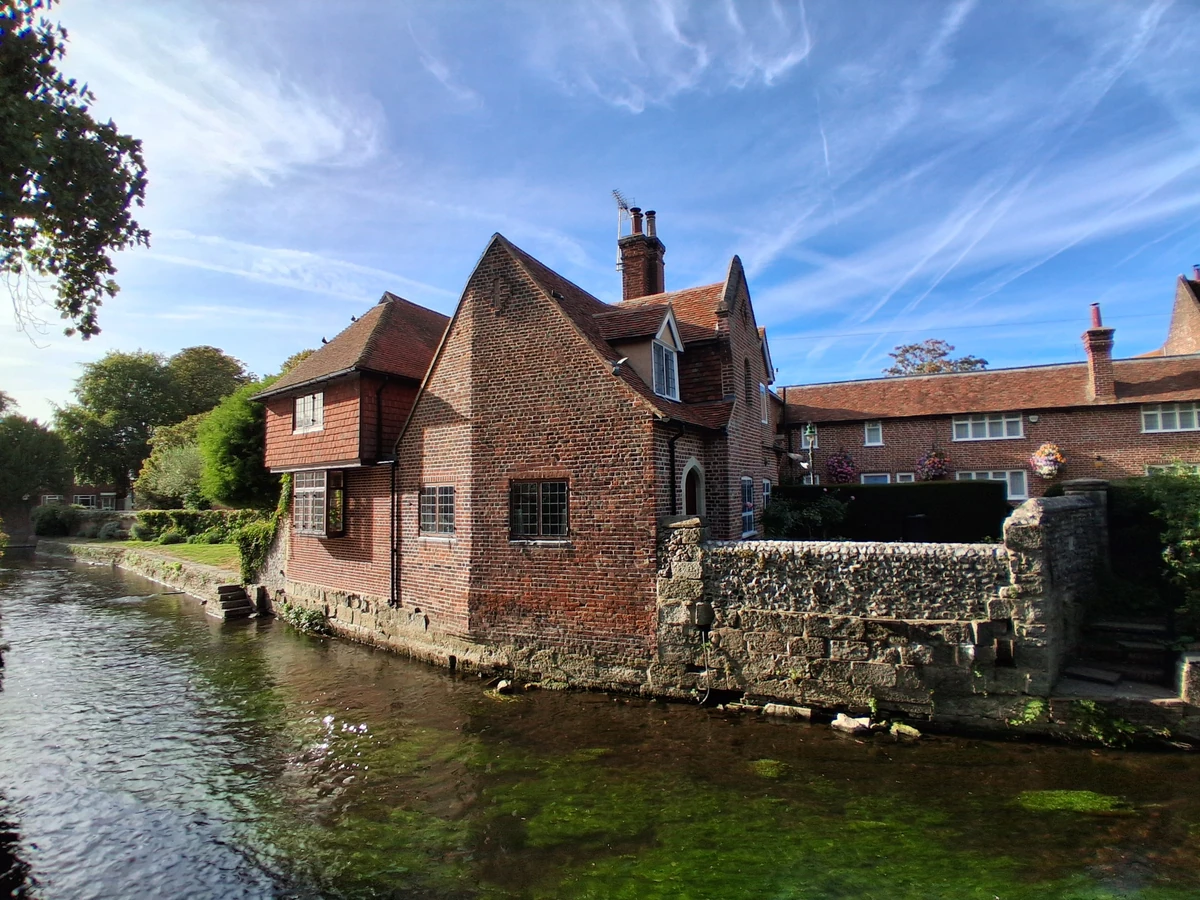
Whitstable: A Coastal Walk From the Station to the Harbour
| Station | Whitstable |
|---|---|
| Route | Station → Town Centre → Harbour Street → Whitstable Harbour → Seafront → Station |
| Walking | Easy town and coastal walking |
| Time needed | Half day to full day |
| Best for | Coastal walks, seafood, independent shops and couples |
Whitstable is one of the easiest Kent coastal towns to enjoy without a car because the station, town centre, harbour and seafront all sit within a manageable walking area. Southeastern notes that the beach is less than ten minutes from the station, although a complete day around the town naturally involves more walking.
From the station, head towards the centre and Harbour Street, where independent shops and restaurants lead naturally towards the working harbour. The waterfront provides a good introduction to the town’s long association with oysters and fishing, while the shingle shoreline gives you an easy coastal walk without needing to travel on to a separate attraction.
Tankerton Slopes can be added if you want a longer walk, but it is optional rather than necessary for the basic itinerary. Whitstable works best as a slower day built around browsing, lunch and the coast rather than a checklist of formal attractions.
Margate & Broadstairs: Two Seaside Towns in One Train Journey
| Starting station | Margate |
|---|---|
| Finishing station | Broadstairs |
| Route | Margate Station → Main Sands → Turner Contemporary → Old Town → Margate Station → Broadstairs Station → Viking Bay |
| Walking | Moderate, with two separate town walks |
| Time needed | Full day |
| Best for | Seaside trips, art, sandy beaches and visitors wanting two destinations |
This is the most involved itinerary in the article, but it demonstrates how easily Kent’s railway network can connect two contrasting seaside towns in one day. Begin at Margate station, which is conveniently positioned close to Main Sands, then continue along the seafront towards Turner Contemporary and Margate Old Town.
This first half of the day combines traditional seaside atmosphere with contemporary art and independent businesses. Dreamland can be added when its seasonal attractions are operating, but it should be treated as an optional stop rather than an automatic part of the itinerary.
Return to Margate station and take the short train journey to Broadstairs. From Broadstairs station, walk towards Viking Bay and the town’s traditional seafront, where sandy beaches and Charles Dickens associations create a noticeably different atmosphere from Margate.
There is no need to return to Margate simply for the sake of completing a loop. Plan your rail ticket so you can travel home from Broadstairs, and confirm that the ticket you purchase covers the intended route, particularly if you are travelling into Thanet from elsewhere in Kent or London.
Deal: A Walkable Seaside Town With a Castle & Historic Pier
| Station | Deal |
|---|---|
| Route | Deal Station → High Street → Deal Pier → Seafront → Deal Castle → Station |
| Walking | Easy to moderate town and seafront walking |
| Time needed | Half day to full day |
| Best for | History, architecture, independent shopping and relaxed coastal walks |
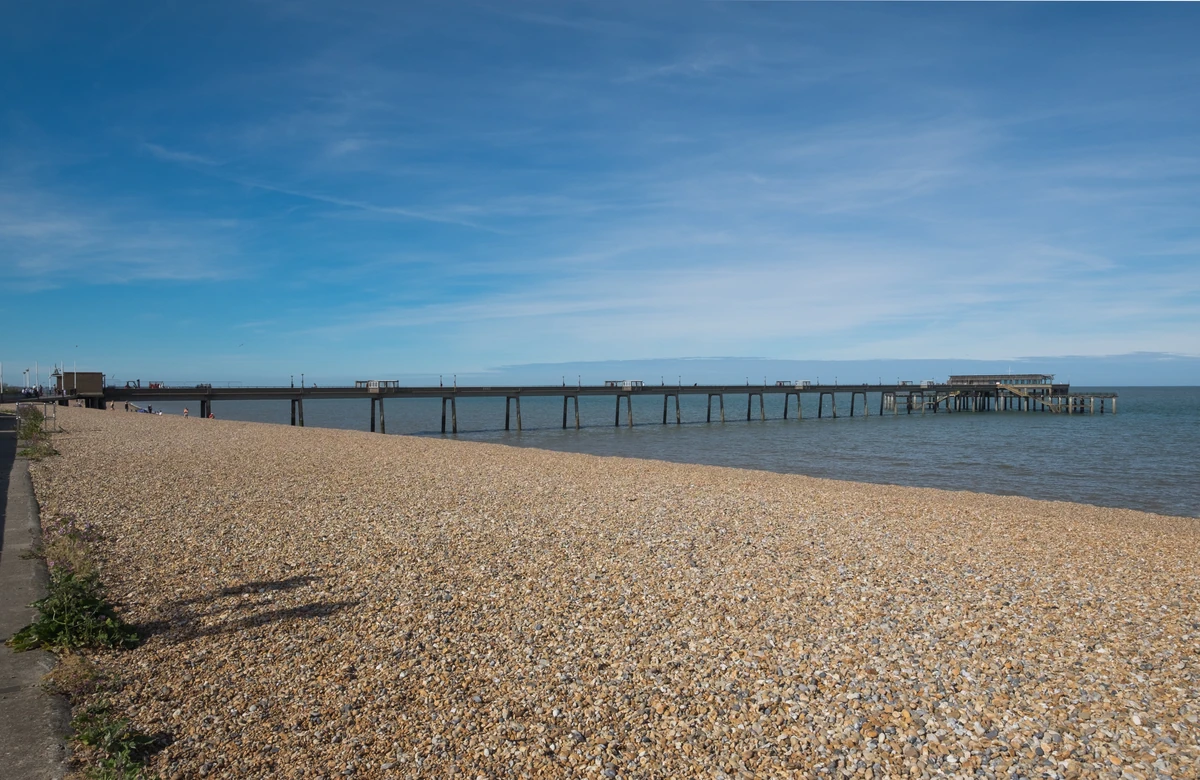
Deal combines a compact historic centre with direct access to the coast, making it particularly straightforward for a car-free visit. From the railway station, walk towards the High Street before continuing to the seafront and Deal Pier, where long views across the Channel provide the natural centrepiece of the route.
The walk south along the shore passes fishing boats and colourful Georgian buildings before reaching Deal Castle. Anyone wanting to go inside should check English Heritage’s current opening arrangements and admission information, as heritage properties can operate seasonally.
Deal’s beach is predominantly shingle rather than sand, which makes it better suited to coastal walking than traditional beach activities. Walmer Castle could be added to a much longer itinerary, but keeping the route centred on Deal itself makes the day more manageable and avoids turning a relaxed visit into an unnecessarily long walk.
Folkestone: Contemporary Art, the Harbour Arm & Coastal Scenery
| Station | Folkestone Central |
|---|---|
| Route | Folkestone Central → Creative Quarter → Harbour Arm → Sunny Sands → Lower Leas Coastal Park → Folkestone Central |
| Walking | Moderate to active, with noticeable slopes |
| Time needed | Full day |
| Best for | Art, creative culture, waterfront experiences and active families |
Folkestone Central is the better station for this itinerary because it gives you a practical route towards the Creative Quarter and Old High Street before continuing downhill towards the waterfront. Independent galleries, studios and businesses provide plenty to explore before you reach the Harbour Arm.
From the harbour, Sunny Sands offers a small sandy beach, while Folkestone Artworks provides an additional reason to explore the town on foot. If you have the time and energy, continue towards Lower Leas Coastal Park for green space and coastal views before beginning the return journey.
Folkestone’s geography is the main practical consideration. The journey between the town centre and waterfront involves slopes, and returning to Folkestone Central means climbing away from the seafront, so the route should not be described as entirely level. Harbour Arm businesses and events can also operate seasonally, making current opening information worth checking before travelling.
Which Kent Train Day Trip Should You Choose?
| Destination | Station | Main experience | Walking level | Suggested duration |
|---|---|---|---|---|
| Royal Tunbridge Wells | Tunbridge Wells | Historic streets, shopping and spa heritage | Easy to moderate | Half day to full day |
| Otford | Otford | Countryside walking and nature | Moderate countryside terrain | Half day |
| Rochester | Rochester | Castle, cathedral and heritage | Easy | Half day to full day |
| Canterbury | Canterbury West | Medieval architecture and cultural attractions | Easy to moderate | Full day |
| Whitstable | Whitstable | Harbour, independent shops and coast | Easy | Half day to full day |
| Margate & Broadstairs | Margate / Broadstairs | Art, two seaside towns and sandy beaches | Moderate | Full day |
| Deal | Deal | Georgian streets, pier and maritime history | Easy to moderate | Half day to full day |
| Folkestone | Folkestone Central | Contemporary art, harbour and coastal walking | Moderate to active | Full day |
Rochester and Whitstable are among the easiest options if you want attractions concentrated close to the station, while Otford is better suited to people deliberately looking for a countryside walk. Folkestone requires more physical effort because of its gradients, and Margate with Broadstairs involves more planning because the day begins and ends at different stations.
How to Save Money on Train Travel Around Kent
Train fares vary according to route, time of travel and the flexibility of the ticket, so it is usually better to understand the main ticket types than rely on a fixed price published in an evergreen guide. The cheapest ticket is not always the best option if it restricts you to a particular train or prevents you from changing the day as your plans develop.
- Advance tickets can offer savings where available but are generally tied to booked services.
- Off-Peak and Super Off-Peak tickets may reduce costs when travelling outside busier periods, subject to their individual restrictions.
- Railcards can reduce eligible fares for passengers who meet the relevant criteria.
- Southeastern’s GroupSave can offer discounts for qualifying groups travelling together.
- Kids for a Quid may provide cheaper family travel on eligible Southeastern journeys.
- Compare conventional and high-speed services where both are practical, as journey time and ticket conditions can differ.
Do not assume discounts can always be combined. Check Southeastern’s current ticket information before booking and pay particular attention to the destination printed on your ticket when following a multi-stop itinerary.
The Margate and Broadstairs route is a good example. A conventional return ticket to Margate does not automatically mean you can simply travel home from Broadstairs on the same ticket, so plan the journey as a whole before purchasing.
Check These Details Before Setting Off
A few final checks can prevent a well-planned car-free day from becoming unnecessarily stressful. Railway schedules and attraction arrangements change, particularly at weekends, during public holidays and when engineering work is taking place.
- Check the outward and return train times on the day of travel.
- Look for planned engineering works and replacement bus services.
- Confirm you are using the correct arrival and departure stations.
- Check attraction opening times and whether advance booking is required.
- Review the weather forecast for coastal or countryside routes.
- Check walking distances, gradients and station accessibility.
- Consider whether the full itinerary is suitable for children or anyone with reduced mobility.
National Rail provides current service information, planned disruption and station accessibility details, while individual attraction websites are the most reliable source for opening arrangements. This is especially important for heritage properties, seasonal waterfront businesses and countryside routes where weather or maintenance can affect access.
Seeing More of Kent Without a Car
Exploring Kent by train opens up far more than city-centre attractions. Historic streets, castles, cathedrals, sandy beaches, working harbours, contemporary art and countryside walking routes can all be reached through carefully chosen rail journeys.
The most successful car-free days out are the ones built around realistic station access and manageable walking rather than ambitious lists of attractions. Starting with somewhere compact such as Rochester, Whitstable or Tunbridge Wells can be a useful introduction before trying longer countryside walks or multi-stop routes.
Travelling by train also changes the pace of the day. Instead of concentrating on parking, traffic and returning to the same car park, the railway becomes part of the experience and allows you to explore Kent from one station to the next.