

Christmas tends to bring a lot more into the home all at once. Decorations come out of storage, presents begin to accumulate, the fridge and cupboards fill up, guests arrive with coats and bags, and rooms that normally feel perfectly manageable can suddenly seem crowded.
That makes the weeks before Christmas a useful time to clear some space, but it does not need to become an enormous whole-house project. The aim is not to reorganise every drawer or finally deal with everything you have been putting off for years. Concentrate instead on the rooms and storage areas that will work hardest over Christmas, and make enough space for the season to feel easier rather than more chaotic.
Start With a Simple Decluttering Plan
Trying to declutter the entire house in one weekend is a good way to end up surrounded by piles of belongings and wondering why you started. Work through one room or clearly defined area at a time, and finish it before moving on. Even something as small as one kitchen cupboard, the hallway coat hooks or a single toy box counts as a complete job.
A simple four-category system can help: keep, donate, recycle or dispose, and relocate. Anything that belongs elsewhere in the house goes into the relocate group, but make sure those items actually reach their proper homes rather than becoming a new pile in the hallway.
If you are short on time, use 20 or 30-minute sessions instead of waiting for a free day that may never arrive. A few focused sessions across a week can make a surprisingly big difference before Christmas.
Clear the Kitchen Before the Christmas Food Shop
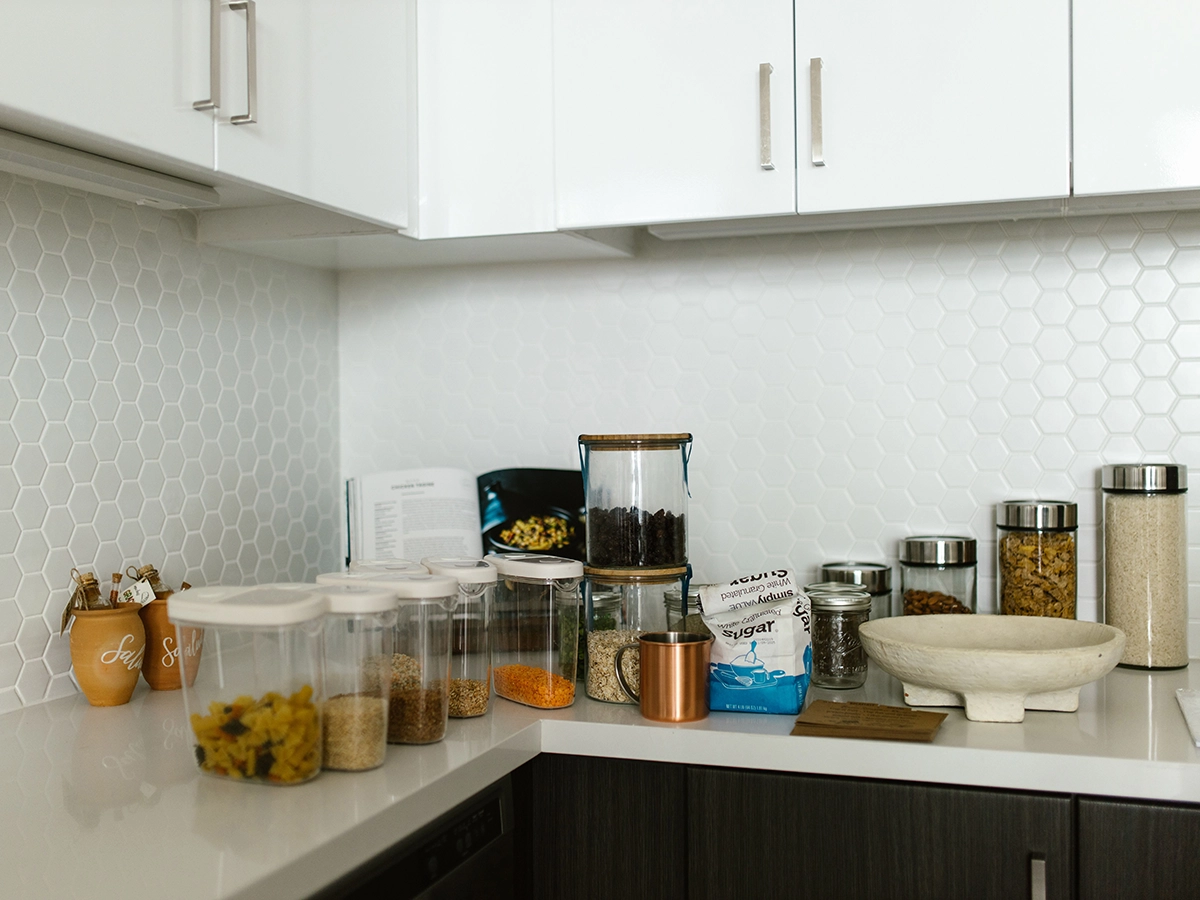
The kitchen is one of the most useful places to start because it is about to come under considerably more pressure. Before buying Christmas food, go through the fridge, freezer and cupboards and see what is already there. Dispose of anything genuinely out of date, identify ingredients that need using soon and plan a few pre-Christmas meals around them.
The freezer deserves particular attention. Half-open bags, forgotten leftovers and food you no longer remember buying can take up valuable space that will soon be needed for Christmas food, desserts, ice and anything you want to prepare in advance.
Look at equipment too. You do not need to embark on a minimalist kitchen overhaul, but duplicate utensils, unused gadgets and serving dishes you never reach for can occupy surprisingly useful cupboards. Creating one clear shelf or section for Christmas food and drinks can make the whole kitchen feel much more organised.
Make Space in the Living and Dining Areas
The living room and dining area are likely to work harder than usual during December. Surfaces that normally hold paperwork, magazines and miscellaneous everyday clutter may soon need to accommodate decorations, Christmas cards, drinks, snacks and presents.
Start by returning obvious stray items to the rooms where they belong. Clear coffee tables, sideboards and the dining table, recycle old magazines and paperwork you no longer need, and remove anything that has simply settled there because nobody knew where else to put it.
It is also worth looking at the layout. If an occasional chair, side table or basket is going to make fitting the Christmas tree or accommodating extra dining chairs difficult, move it temporarily rather than trying to squeeze everything in. The goal is usable space, not perfectly organised cupboards nobody will see.

Get the Guest Room Ready
Spare bedrooms have a habit of becoming storage rooms during the rest of the year. Boxes, ironing, clothes waiting to be sorted and things destined for the charity shop can gradually take over until there is very little space left for an actual guest.
If someone is staying over Christmas, concentrate first on making the room functional. Clear the bed and floor, remove obvious clutter and create some wardrobe or drawer space if possible. Guests do not need an empty room, but they do need somewhere to put a bag, hang a few clothes and move around comfortably.
While you are there, check bedding, towels and basic guest essentials. Doing that now also prevents you from buying replacements in December only to discover that you already had perfectly good ones hidden in a cupboard.
Declutter Children’s Toys Before New Ones Arrive
Christmas can add a substantial number of new toys, games and books to a child’s room in the space of one morning, so making some room beforehand is sensible. Start with broken toys, incomplete games and anything children have clearly outgrown.
Where age appropriate, involve children in deciding what they no longer use. They may be much happier to part with good-quality toys if they understand that somebody else can enjoy them, and it avoids the inevitable problem of accidentally removing something they still consider essential.
Set suitable toys and books aside for donation and create some genuinely empty storage rather than immediately filling every cleared shelf. There is little point spending an afternoon decluttering if every available space is packed again before Christmas Day.
Sort Through Clothes, Coats and Shoes
Hallways can become crowded very quickly once visitors arrive carrying winter coats, umbrellas, bags and boots. Go through the coat hooks, shoe rack and entrance storage before December becomes busy and remove anything that does not need to be there.
Put lighter seasonal items away, donate wearable coats and shoes that are no longer used, and move rarely worn pieces back into wardrobes. If you are expecting guests, deliberately leave a few empty hooks or a section of the coat cupboard available rather than making visitors balance their belongings over your own.
This is also a useful time to check children’s winter clothing for anything they have outgrown. Dealing with it before Christmas creates space and gives good-quality items a chance to be donated while they are still useful during colder weather.
Clear the Bathroom and Toiletries
Bathrooms are usually quicker to declutter than larger rooms because the problem tends to be concentrated around products and surfaces. Remove empty bottles, packaging and anything that has been sitting unused for months. Gather duplicate products together so you know what you already have before buying more.
Keep everyday toiletries easy to reach, but try to clear some visible surfaces. A less cluttered bathroom is quicker to clean before guests arrive and generally feels calmer. If people are staying overnight, leave somewhere for them to place their own toiletries and have clean towels ready.
Declutter Your Christmas Decorations as You Get Them Out
You do not need a separate day devoted to sorting Christmas decorations. The easiest time to edit them is when the boxes come out of storage. If something is broken beyond repair, no longer works or has not made it onto the tree for several years, ask whether it needs to return to storage again in January.
Check lights before hanging them, recycle damaged electrical decorations through an appropriate scheme and donate decorations that are still in good condition but no longer suit your home. There is no requirement to display everything you own simply because it has a Christmas theme.
When the decorations eventually come down, label storage boxes clearly. Next year’s decorating becomes much easier when lights, tree decorations and table accessories are stored separately rather than mixed into one enormous container.

Sell, Donate or Recycle Unwanted Items
Decluttering only works when unwanted items actually leave the house. A bag marked “charity shop” that remains beside the front door until February is simply another form of clutter.
Higher-value items may be worth selling if you have enough time and energy before Christmas. Good-quality clothes, toys, books and household items can be donated, but check what individual charity shops currently accept before arriving with several bags. Anything damaged or genuinely unusable should be recycled or disposed of appropriately rather than passed on.
Create a deadline for yourself. Once you have filled a donation bag or box, put it in the car or take it out of the house within a day or two. That prevents unwanted belongings gradually finding their way back into cupboards.
The 15-Minute Pre-Christmas Declutter
If Christmas is approaching quickly and a full declutter is unrealistic, forget the cupboards nobody will open and concentrate on what will make the biggest visible difference. Set a timer for 15 minutes and move quickly through the spaces guests are most likely to use.
- Clear shoes, bags and unnecessary coats from the hallway.
- Remove obvious clutter from kitchen worktops.
- Clear the dining table completely.
- Tidy coffee tables and living-room surfaces.
- Return stray belongings to the correct rooms.
- Fill one bag with obvious donations.
- Take rubbish and recycling out.
- Clear the spare bed if someone is staying over.
You are not trying to organise your entire home in 15 minutes. You are simply creating breathing room in the places people actually see and use, which can make the house feel considerably calmer.
How to Keep the Clutter From Coming Straight Back
Once you have created some space, resist the urge to immediately fill it with storage boxes and organisers. New storage can be useful, but it does not solve the problem if you are simply finding increasingly elaborate ways to keep things you do not need.
Give frequently used belongings a sensible home, deal with post and packaging before it builds into a pile and keep a donation bag somewhere convenient for items you decide to part with throughout the year. Existing cupboards, drawers and shelves can also act as useful limits: if a drawer is comfortably full, adding another organiser may not be the answer.
Christmas itself will inevitably create some temporary clutter, and that is fine. The aim is not to keep the house looking untouched throughout December. It is to create enough space beforehand that decorations, presents and guests have somewhere to go without the whole home feeling overwhelmed.
Your Pre-Christmas Decluttering Checklist
- Clear old and unwanted food from cupboards, fridge and freezer.
- Make room on living-room and dining-room surfaces.
- Prepare the guest room if anyone is staying.
- Sort broken and outgrown children’s toys.
- Clear excess coats, bags and shoes from the hallway.
- Tidy bathroom cupboards and toiletries.
- Edit Christmas decorations as you unpack them.
- Sell, donate or recycle unwanted belongings promptly.
- Clear high-traffic areas before guests arrive.
- Leave some genuinely empty storage space for Christmas.
The most useful pre-Christmas declutter is not the most dramatic one. Concentrate on the rooms that are about to become busier, remove things you no longer use and deliberately leave some space empty. When the food, presents, decorations and visitors begin arriving, you will be glad you did.