

October is one of the most useful months for getting a UK garden ready for winter. The days may be getting shorter, but the soil is often still workable and there is usually enough mild weather left to tackle the jobs that will make a real difference once colder, wetter conditions arrive.
You do not need to strip the garden back or spend every weekend outside. In fact, some plants and wildlife benefit from being left alone. The priority is to protect anything vulnerable, deal with potential winter problems such as waterlogged pots and slippery paths, and get a few practical jobs finished before the first significant frosts.
Protect Tender Plants Before the First Frost
Tender plants that have happily spent the summer outside may not survive a typical British winter without some protection. Cannas, pelargoniums, tender fuchsias and other frost-sensitive plants are among those worth checking before temperatures begin to fall properly.
Container-grown plants that can be moved are often easiest to overwinter somewhere sheltered and frost-free, such as a greenhouse, conservatory or suitable outbuilding. Plants that need to remain outside can be protected with horticultural fleece, while a layer of mulch around the roots can provide additional insulation. The exact treatment depends on the plant and your local conditions, so there is no need to wrap everything in the garden simply because winter is approaching.
Keep an eye on the forecast rather than relying on a fixed date. Frost can arrive considerably earlier in an exposed inland garden than in a sheltered coastal location, and tender plants are best protected before the first damaging cold spell rather than afterwards.
Move and Protect Plants in Pots
Plants growing in containers are more exposed to winter weather because their roots do not have the same volume of surrounding soil to insulate them. Pots can also become waterlogged during prolonged rain, creating problems even for plants that are otherwise reasonably hardy.
Move vulnerable containers to a more sheltered position, ideally close to the house or against a protected wall. Grouping pots together can provide some additional protection, while raising them onto pot feet or bricks allows excess water to drain away more easily. Check that drainage holes have not become blocked by roots or compacted compost.
In particularly cold or exposed locations, vulnerable pots can be wrapped to protect both the roots and the container itself. Terracotta pots are especially worth checking because repeated freezing and thawing can cause some containers to crack.
Clear Fallen Leaves – But Don’t Throw Them All Away
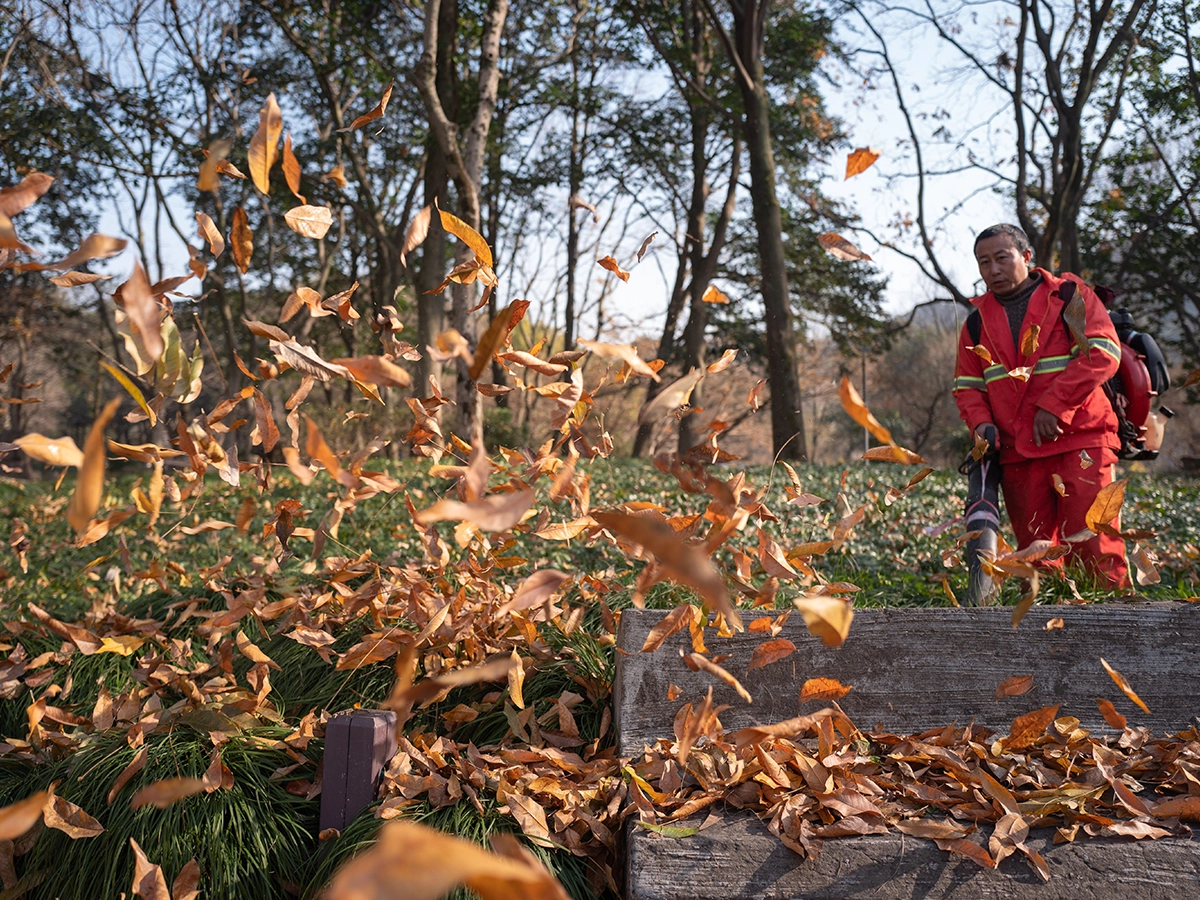
Autumn leaves quickly become a problem in the wrong places. Thick layers left across a lawn can block light and smother the grass, while wet leaves on patios, decking and paths can become slippery. Leaves falling into ponds will eventually decompose in the water, so these areas are worth keeping reasonably clear.
That does not mean every fallen leaf needs to go into the garden-waste bin. Healthy leaves are an excellent resource. Collect them to make leaf mould, add suitable leaves to compost, or move some into quieter areas beneath hedges and at the backs of borders where they can gradually break down.
A less immaculate corner of the garden can also provide valuable winter shelter for insects and other wildlife. The aim is therefore to clear leaves where they cause a practical problem while allowing them to remain useful elsewhere.
Mulch Beds and Borders
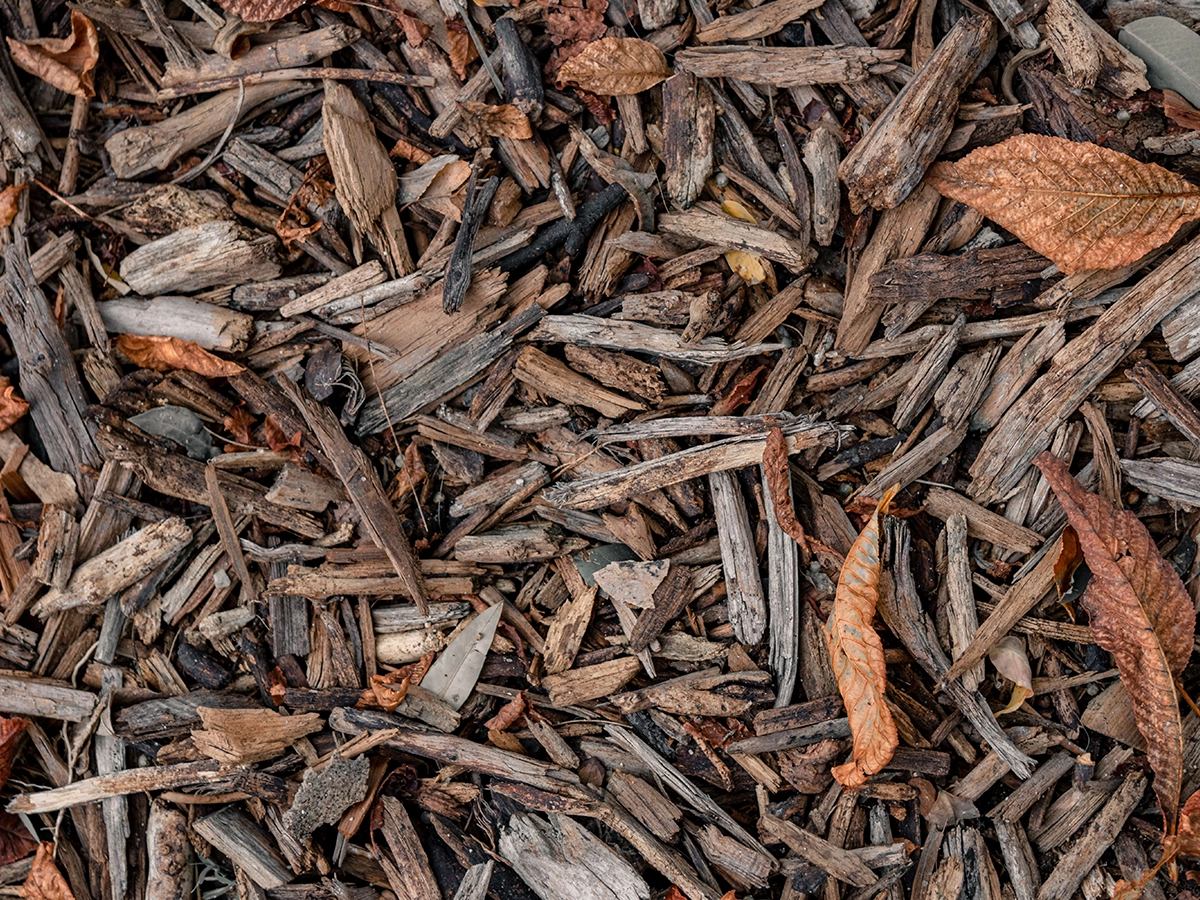
Autumn and early winter are useful times to mulch beds and borders, particularly while the soil is still moist. A layer of organic material such as garden compost, well-rotted manure or bark can help protect roots, suppress weeds and gradually improve the soil as it breaks down.
Spread mulch across the surface rather than digging it deeply into established borders. Avoid piling it directly against woody stems or smothering the crowns of perennial plants, as constantly damp material sitting against the plant can create its own problems.
Not every border needs exactly the same treatment. The material you choose should suit the plants and soil, but using garden compost or other appropriate organic matter in autumn is a simple way to put some goodness back into beds before spring growth begins.
Cut Back the Right Plants – and Leave Others Standing
It can be tempting to cut every brown stem to ground level as soon as summer ends, but an overly tidy autumn garden is not necessarily a healthier one. Remove diseased material, badly damaged growth and plants that have collapsed into an untidy mess, but consider leaving sturdy stems and attractive seed heads standing through winter.
Plants such as echinacea, sedum, alliums and ornamental grasses can provide structure when the rest of the garden is bare, particularly when covered in frost. Seed heads may also provide food for birds, while hollow stems and old growth create places for insects to shelter.
Some less hardy perennials actually benefit from retaining their old top growth because it offers the plant a degree of winter protection. Check the pruning requirements of individual plants rather than treating autumn as the moment everything must be cut back.
Plant Spring-Flowering Bulbs
Autumn is the time to think ahead to spring. Daffodils, crocuses, hyacinths and many other spring-flowering bulbs can be planted during autumn in borders, lawns and containers, giving the garden colour before much else has started growing next year.
If you still have tulips to plant, do not assume you have missed your chance. Tulips are commonly planted later than many other spring bulbs, with November being a particularly useful time to get them into the ground. Whatever you are planting, choose somewhere with suitable drainage because bulbs generally dislike sitting in waterlogged soil.
Containers are useful if border space is limited. Several types of bulb can even be layered in one pot to create a longer succession of flowers through spring.
Give Your Lawn a Final Autumn Tidy
Keep fallen leaves off the lawn and continue mowing while the grass is still actively growing and conditions are suitable. Raise the cutting height compared with summer rather than trying to achieve a very short finish before winter.
Avoid mowing or repeatedly walking across grass when the ground is waterlogged, frozen or covered in frost, as this can damage the turf and compact wet soil. More involved jobs such as scarifying, aerating and autumn feeding may be worthwhile on some lawns, but they do not need to become part of every garden’s winter routine.
Clean Up Patios, Paths and Decking Before Winter
Leaves, moss and general autumn debris can make hard surfaces surprisingly slippery once winter rain arrives. Sweep paths, patios, steps and decking regularly and deal with areas where moss or algae are becoming a problem before they become hazardous.
Check decking for damaged or loose boards while you are there, and make sure drains, gullies and channels are clear enough to cope with heavier rainfall. If surfaces need cleaning, use an appropriate method for the material rather than automatically reaching for the most powerful pressure-washer setting, which can damage some paving, pointing and timber.
Protect Garden Furniture and Outdoor Equipment
Outdoor furniture will last longer if it is cleaned before winter rather than being stored while covered in dirt and moisture. Move suitable pieces into a garage, shed or other dry area if you have space. Furniture remaining outside can be protected with properly fitted covers, ideally allowing enough ventilation to prevent moisture becoming trapped underneath.
Bring cushions and other soft furnishings indoors and secure lightweight furniture or accessories before winter storms. Drain and store hoses where appropriate, empty vulnerable containers and water features, and put away equipment that will not be used again until spring.
Clean and Store Your Garden Tools
A few minutes spent looking after tools now can save you from finding rusty blades and soil-covered equipment next spring. Brush or wash soil from spades, forks and hand tools, then allow them to dry thoroughly before putting them away.
Clean secateurs and other cutting tools, sharpen blades where necessary and store everything somewhere reasonably dry. If the lawnmower is unlikely to be used for several months, clean it before storage and follow the manufacturer’s guidance for winter maintenance, particularly for petrol, battery and robotic models.
Prepare Your Pond for Winter
Fallen leaves and decaying vegetation can accumulate quickly in a pond during autumn. Remove excessive leaves and dying plant material before they break down in the water, and consider temporarily netting the pond if it sits directly beneath trees that shed heavily.
If you remove vegetation from the pond, leave it beside the water for a while before composting it so small creatures have an opportunity to make their way back. There is no need to strip every stem and leaf from the pond margins either, as some vegetation provides valuable winter habitat.
When freezing weather eventually arrives, avoid smashing ice on a wildlife pond. Sudden impacts can disturb pond life, and safer methods can be used where maintaining an opening in the surface is necessary.
Help Garden Wildlife Through the Colder Months
Preparing the garden for winter should not mean removing every trace of untidiness. Seed heads, hollow stems, log piles and leaves tucked beneath hedges can all provide food or shelter when conditions become harsher.
Keep bird feeders clean and topped up where you use them, and make fresh water available during cold or dry periods. A small pile of logs or leaves in a quiet corner can create useful habitat without making the whole garden look neglected.
Take particular care with bonfires and large piles of garden material. Hedgehogs and other animals may crawl into them for shelter, so material should be checked carefully before it is moved or burned. Leaving part of the garden slightly wilder through winter can often do more for wildlife than an extensive autumn clear-out.
Your Winter Garden Checklist
- Protect tender plants before damaging frosts arrive.
- Move vulnerable pots into sheltered positions.
- Raise containers to improve winter drainage.
- Clear fallen leaves from lawns, paths and ponds.
- Use suitable leaves for leaf mould, compost or wildlife habitat.
- Mulch beds and borders where appropriate.
- Cut back damaged growth but leave useful seed heads and stems standing.
- Plant remaining spring bulbs and plan tulips for later autumn.
- Keep the lawn clear and mow only while conditions are suitable.
- Sweep patios, paths and decking and clear drainage channels.
- Clean and protect garden furniture and outdoor equipment.
- Clean, sharpen and store garden tools.
- Remove excess debris from ponds without stripping away all wildlife habitat.
- Leave food, water and sheltered areas for garden wildlife.
You do not need to complete every winter garden job in a single weekend. Start with anything vulnerable to frost or prolonged wet weather, then work through the practical jobs as autumn progresses. A little preparation now can protect plants and equipment through the worst of winter while leaving the garden in a much better position when spring eventually returns.