
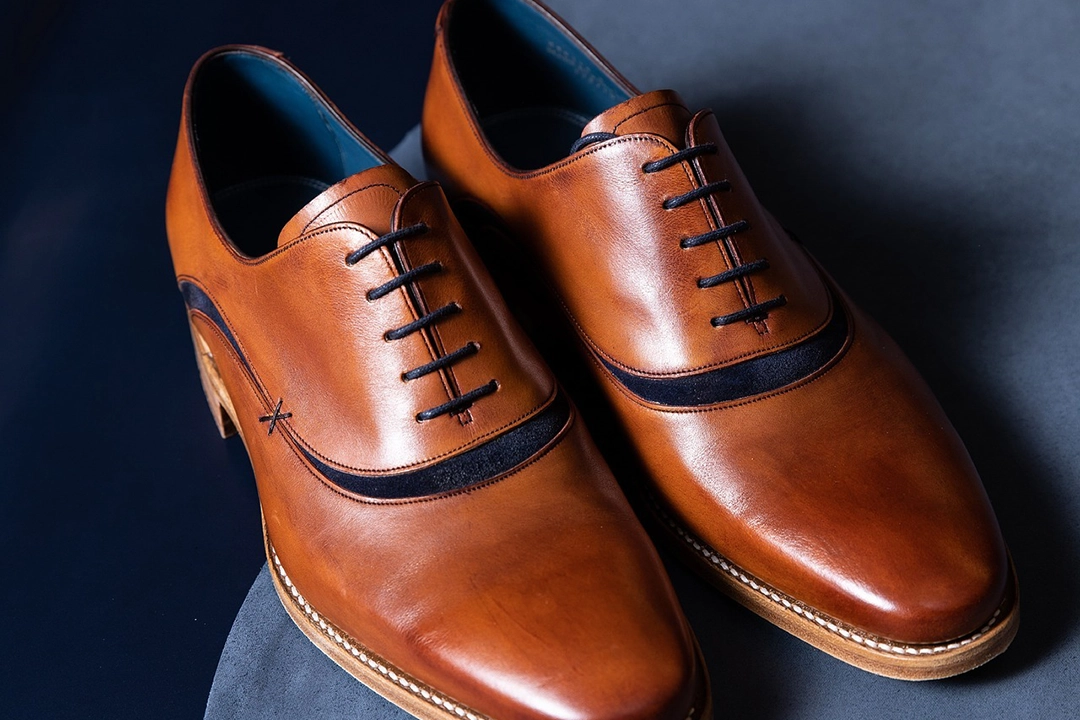
With everything from inexpensive accessories to handmade investment pieces described as leather goods, knowing what genuinely signals quality can make a significant difference when you buy. Brand names and price tags can provide clues, but neither guarantees good materials or skilled craftsmanship.
Whether you are choosing a wallet, belt, handbag, briefcase or jacket, the details usually reveal far more. The quality and treatment of the leather, consistency of the stitching, finishing of the edges, strength of the hardware and construction of areas that receive regular stress all help determine how well an item is likely to perform over time.
A well-made leather product should not only look good when it is new. Good craftsmanship is intended to withstand use, maintain its structure where appropriate and, depending on the leather and finish, develop character as it ages. Learning what to inspect can therefore help separate thoughtful workmanship from products that simply look convincing on the shelf.
Start With the Quality of the Leather
The leather itself is the foundation of any leather product, but judging quality is more complicated than looking for a single label.
Full-grain leather retains the outer grain layer of the hide rather than having that surface heavily sanded away. It can preserve natural features such as wrinkles, pores and small variations and is often selected for products where durability and the ability to develop a distinctive patina are desirable.
Top-grain leather is also made from the upper portion of the hide, but its surface may be sanded, corrected or refinished to create a more consistent appearance. That does not automatically make it poor quality. High-quality top-grain leather can be extremely well made and may be preferable when a smoother, more uniform finish is required.
Terms such as genuine leather need more caution. The phrase generally indicates that real leather has been used, but it tells you very little about the quality of the hide, the part of the hide used or how the material has been processed. It should not be treated as an official grade in a simple hierarchy below full-grain and top-grain leather.
Look beyond the wording on the label. Good manufacturers should be able to explain what type of leather they use, how it has been finished and, ideally, where it comes from.
Look for Natural Texture Rather Than Perfect Uniformity
Leather is a natural material, so some degree of variation is normal. Subtle differences in grain, colour and surface texture can be signs that the material has retained more of its original character.
That does not mean every mark is desirable, nor does perfectly even leather automatically indicate poor quality. Different finishes are used for different purposes, and corrected leather may intentionally have a more uniform appearance.
The important question is whether the finish looks appropriate to the product and whether it feels substantial rather than like a thin coating sitting on top of the material.
Very heavy surface coatings can sometimes hide lower-quality material underneath. If a leather item looks unusually plastic-like, completely artificial or heavily painted, inspect it more closely and look for information about how the leather has been processed.
Inspect the Construction and Overall Structure
Excellent leather cannot compensate for poor construction. Once you have considered the material, examine how the individual pieces have been assembled.
Look at the shape of the product and whether its construction makes sense for how it will be used. A structured briefcase or handbag should usually hold its intended form, while a soft leather tote is deliberately designed to be more relaxed. Floppiness is therefore not automatically evidence of poor workmanship; the key is whether the structure matches the design.
Panels should meet neatly, seams should sit where expected and there should be no unexplained distortion, puckering or twisting. Handles and straps should also feel securely integrated into the body of the product rather than simply attached as an afterthought.
Pay particular attention to areas that will carry weight or experience repeated movement. Handle attachments, belt holes, strap anchors, corners and the base of a bag often reveal whether the maker has considered long-term use.
Examine the Stitching Carefully
Stitching is one of the easiest places to assess craftsmanship because inconsistencies are difficult to hide.
Look for stitches that are evenly spaced, properly tensioned and neatly aligned with the shape of the item. The thread should sit securely without obvious loops, fraying, skipped stitches or loose ends.
Stress points deserve particularly close inspection. Handles, shoulder straps, pockets, buckles and the corners of bags often need additional reinforcement because these areas take much more force than decorative seams.
Hand stitching can be a sign of traditional craftsmanship, particularly where saddle stitching is used, but machine stitching should not automatically be considered inferior. A skilled maker using a well-configured machine can produce extremely strong and precise seams. The quality of execution matters more than whether a needle was operated entirely by hand.
Look Closely at the Edges and Finishing
Edges are easy to overlook, but they are among the most revealing details on many leather goods.
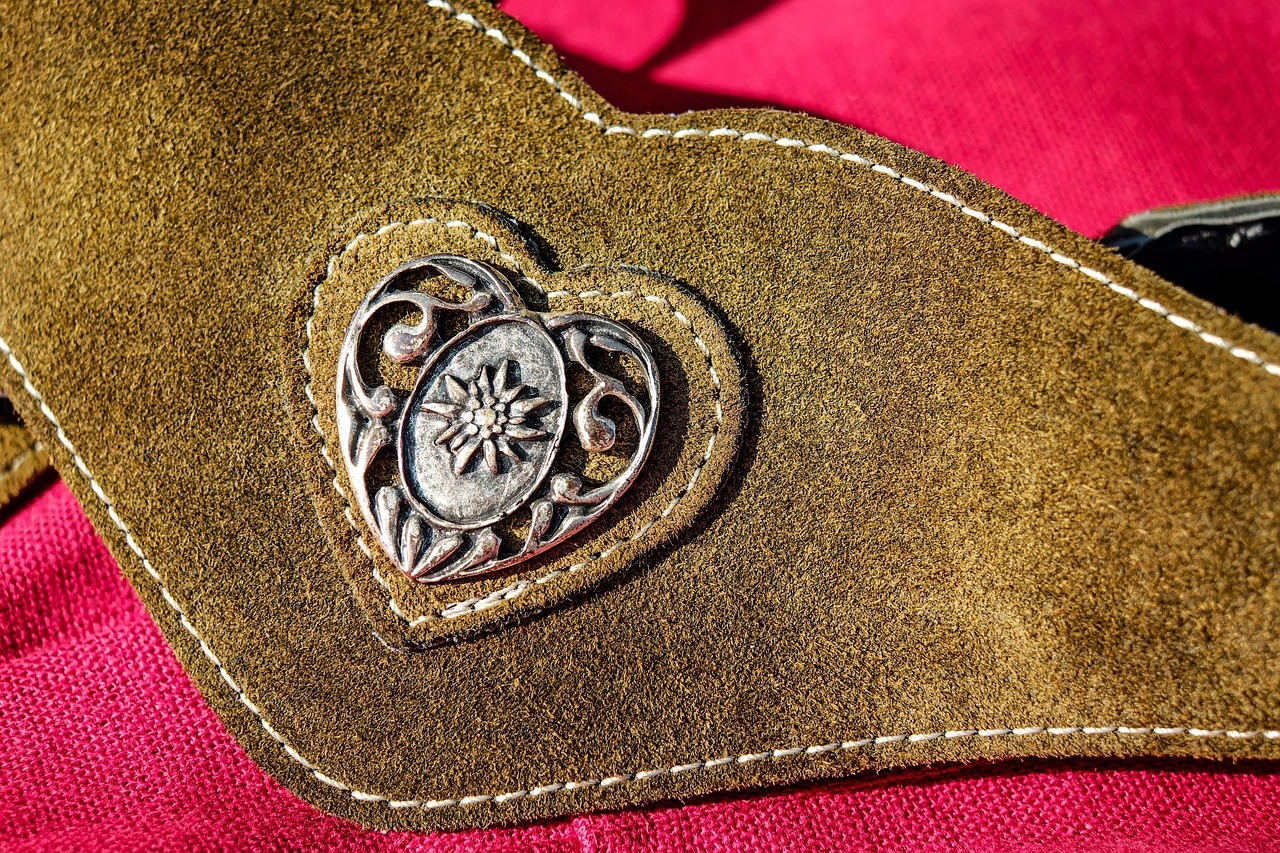
Different makers use different finishing methods. Exposed vegetable-tanned leather edges may be carefully sanded and burnished until smooth, while other products use multiple layers of edge paint. Some leather goods use turned edges, where the material is folded inward to create a clean finish.
None of these techniques is automatically superior in every situation. What matters is how well it has been executed.
Burnished edges should feel smooth and consistent rather than fuzzy or ragged. Painted edges should have an even coating without obvious cracking, bubbling or paint spreading onto surrounding leather. Turned edges should be neat and securely formed without irregular folds.
Check corners especially carefully. They can be difficult to finish cleanly and often reveal shortcuts that are less obvious along straight edges.
Check the Hardware and How It Is Attached
Zips, clasps, buckles, press studs, rivets and rings are functional components, not simply decorative extras. Even beautifully finished leather goods can become frustrating if their hardware fails prematurely.
Metal components should feel appropriate to the size and purpose of the product. They should operate smoothly, close securely and remain properly aligned. A zip should move without repeatedly catching, while clasps and buckles should feel positive rather than loose or fragile.
Materials such as solid brass and stainless steel can offer excellent durability, but material alone does not guarantee quality. Well-made plated hardware can also perform successfully, while even expensive metals can be poorly designed or attached.
Inspect how the hardware connects to the leather. Rings and handles should be reinforced where necessary, rivets should sit cleanly and there should be no excessive gaps or signs that attachments are already pulling against the material.
Look Inside the Leather Goods Too
The exterior receives most of the attention in shops and product photography, but the interior often provides a more revealing indication of how much care went into construction.
Open pockets, examine linings and look into corners. Fabric linings should be securely attached and appropriately durable for the product. There should not be large amounts of loose material, obvious unfinished seams or excessive visible adhesive.
Unlined leather goods are not necessarily lower quality. Many traditional leather products deliberately expose the reverse side of the hide. In those cases, however, the internal surface and seams should still look considered rather than unfinished through neglect.
Pockets should sit evenly, zip compartments should operate smoothly and internal dividers should feel properly integrated into the construction rather than loosely added.
Assess How the Leather Feels
Touch can provide useful information when buying leather goods in person, although there is no single texture that defines quality leather.
Different tanning processes, hides and finishes produce very different results. Some excellent leathers feel firm and structured, while others are intentionally soft, supple or heavily textured.
What you are looking for is a material that feels appropriate to its intended use and consistent throughout the product. A belt may need considerably more firmness than a soft jacket, while a structured bag will behave differently from an unlined tote.
Flex the leather gently where appropriate. Quality material should generally move naturally without the finish immediately cracking, separating or appearing brittle.
Can You Judge Leather Quality by Smell?
Leather often has a recognisable smell created by the hide, tanning process, finishes and treatments used during manufacture. However, scent should never be used as a definitive test of quality or authenticity.
Different tanning methods can produce very different aromas, and fragrances can even be added to products. Similarly, a chemical smell does not automatically prove that the underlying leather is poor quality.
Use smell as one small observation alongside material information, touch, construction and finishing rather than relying on the familiar advice that ‘real leather smells like leather’.
Understand How Good Leather Can Age
One of the attractions of certain high-quality leathers is the way they change with use. Vegetable-tanned and many full-grain leathers can gradually develop a patina, becoming softer, slightly darker or more lustrous as they are handled and exposed to everyday life.
This ageing process is different from deterioration. A desirable patina develops gradually while the underlying material remains sound. Peeling surface layers, widespread cracking, delamination or rapid loss of colour are quite different.
Not every premium leather is designed to develop a dramatic patina. Highly finished or corrected leathers may deliberately retain a more consistent appearance, while some luxury products are designed around maintaining a pristine surface.
Judge ageing according to the type of leather and the intended character of the product rather than assuming that every high-quality item should visibly darken and change.
Common Warning Signs to Look For
No single imperfection proves that a leather product is badly made, but several warning signs together should encourage a closer inspection.
- Uneven or loose stitching: particularly around handles, straps and other high-stress areas.
- Rough or poorly finished edges: including obvious fraying, cracking or inconsistent edge paint.
- Weak hardware: zips that catch, buckles that feel loose or rings that distort easily.
- Excessive visible adhesive: especially around seams, linings and edge construction.
- Very thin material in load-bearing areas: unless the product has been specifically designed that way.
- Poorly aligned panels: or obvious distortion in supposedly structured products.
- Vague material descriptions: particularly where a premium price is being charged without meaningful information about the leather or construction.
It is also worth being wary of simplistic marketing claims. Terms such as premium, luxury and handcrafted are not substitutes for explaining materials and manufacturing methods.
How to Assess Leather Goods When Buying Online
Buying online removes the ability to touch the leather, test the hardware and inspect seams in person, so the quality of the product information becomes especially important.
Look for detailed photographs showing more than just the front of the item. Useful images should include stitching, corners, edge finishing, hardware, interior construction and close-ups of the leather surface.
Read the material description carefully. A good product page should ideally state the type of leather being used rather than simply saying ‘100% leather’. Information about the tannery, country of manufacture or construction methods can provide additional reassurance, although none of these details alone guarantees quality.
Pay particular attention to measurements. Product photographs can make wallets, bags and belts appear larger or smaller than they really are, so always check dimensions rather than relying on styled imagery.
Finally, review the returns policy before buying. Even detailed online descriptions cannot tell you exactly how a product will feel in your hands.

Does a Higher Price Mean Better Leather?
Not necessarily. Better raw materials and skilled labour cost money, so genuinely well-made leather goods are unlikely to compete with the cheapest mass-produced alternatives on price alone. However, price can also reflect branding, marketing, retail location and exclusivity.
A high price should therefore create higher expectations rather than automatically prove quality.
If an item commands a premium price, look for evidence supporting it: carefully selected leather, clean construction, quality hardware, reinforced stress points, thoughtful finishing and transparent information about how and where the product is made.
Likewise, a smaller independent maker may sometimes offer excellent workmanship without the substantial branding premium attached to internationally recognised luxury labels.
Quality Craftsmanship Is Found in the Details
Learning how to identify well-made leather goods is less about memorising labels and more about developing an eye for how the entire product has been put together.
Start with the leather, but do not stop there. Examine the stitching, edge finishing, hardware, internal construction and areas that will experience the most stress. Consider whether the materials and construction suit the item’s intended purpose and whether the maker provides meaningful information about what you are buying.
The best leather goods tend to reveal their quality consistently. The material feels appropriate, the seams are considered, the edges are finished properly and small components receive the same attention as the parts most visible on display.
Those details ultimately matter more than a logo or a vague promise of luxury. A carefully made leather product should be something you can use regularly, maintain properly and continue enjoying long after the initial purchase.