
Keeping a house comfortable through winter does not always mean turning the thermostat higher. In many homes, the bigger opportunity is stopping the warmth you already have from escaping, reducing cold draughts and making the rooms you actually use feel more comfortable.
Simple changes to curtains, doors, furniture and flooring can all make a noticeable difference, particularly in older or draughtier properties. Personal warmth matters too: sometimes it is far more efficient to warm yourself than to increase the temperature throughout an entire house.
That does not mean putting up with an unhealthily cold home. The aim is to reduce unnecessary heat loss and make better use of your existing heating while still maintaining a safe, comfortable indoor temperature.
Let the Sun Warm Your Home During the Day
Even weak winter sunshine can provide some useful free warmth. Open curtains and blinds on windows receiving direct sunlight during the day and allow that energy into the room rather than blocking it out.
South-facing rooms are likely to benefit most, but any sunny window is worth taking advantage of. Avoid leaving large objects directly in front of the glass if they prevent sunlight reaching the room, particularly during the middle of the day.
The important part is remembering to reverse the process later. Once daylight fades and the outside temperature starts falling, close curtains and blinds so they can help retain some of the warmth that has built up indoors.
Close Curtains and Blinds Before It Gets Dark
Windows are one of the areas where a room can feel noticeably colder during winter, particularly when sitting close to the glass. Properly fitted curtains create another layer between the room and the cold window surface, reducing draughts and making the area feel more comfortable.
Thick, lined or thermal curtains are particularly useful in bedrooms and living rooms, but even ordinary curtains are more effective when they cover the window properly rather than leaving large gaps around the sides. Closing them before the temperature drops sharply in the evening helps retain warmth that is already inside.
There is one important exception: avoid allowing long curtains to hang directly over a radiator. If the radiator sits beneath a window, curtains covering it can direct warm air behind the fabric and towards the glass rather than allowing it to circulate properly through the room. Tuck curtains behind the radiator or choose a length that leaves it clear.
Stop Draughts Around Doors and Windows
A room can feel cold even when the air temperature is reasonable if a constant stream of cold air is entering through gaps. External doors, older window frames, letterboxes and gaps around poorly fitted doors are common sources.
Self-adhesive draught-proofing strips can help around suitable windows and door frames, while a simple draught excluder at the bottom of a door can make an immediate difference. Letterbox brushes and keyhole covers can also reduce smaller but persistent sources of cold air.
Be careful not to seal intentional ventilation. Trickle vents, air bricks and permanent vents are there for a reason and help moisture escape from the home. Draught-proofing should target uncontrolled gaps rather than blocking the ventilation the property needs.
Keep Internal Doors Closed
Leaving every internal door open allows warm air to spread into hallways, stairwells and rooms that may not need to be kept at the same temperature. Closing doors helps contain warmth within the areas you are actually using.
This is especially useful in the evening. If everyone is sitting in the living room, keeping the door closed can make that space feel warmer without trying to maintain exactly the same temperature throughout the entire property.
Unused rooms should not necessarily be sealed off and allowed to become freezing cold, particularly where damp and condensation are already a concern. The idea is simply to control where warmth travels rather than letting it escape automatically into every part of the house.
Make the Most of the Heat Your Radiators Already Produce
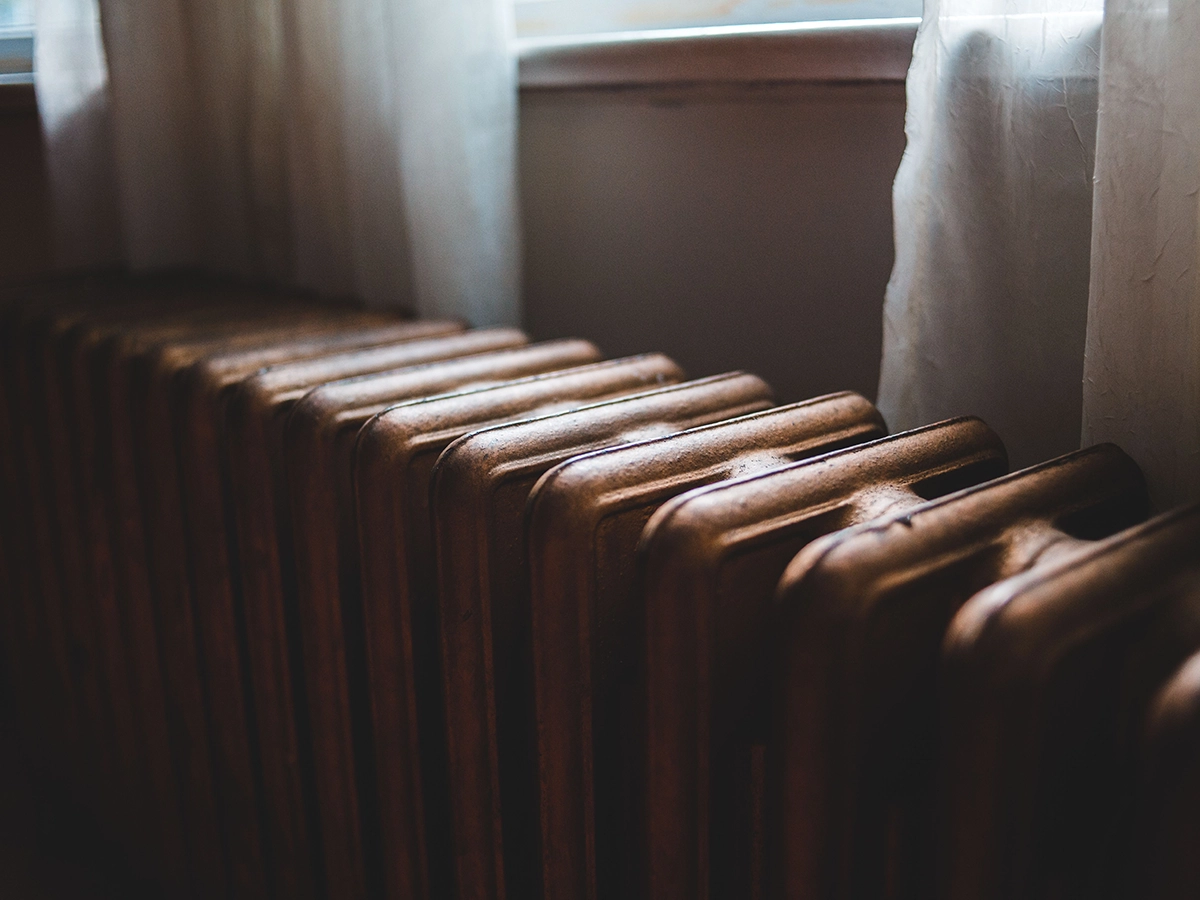
If the heating is running, make sure the warmth from your radiators can actually reach the room. Large sofas, cabinets and other furniture positioned directly in front of radiators can restrict airflow and create pockets of trapped heat.
Move furniture forward where possible and leave enough space around radiators for warm air to circulate. As mentioned above, keep curtains clear too. If a radiator is positioned against an external wall, a purpose-made radiator reflector panel can also help direct more heat back towards the room rather than allowing as much to travel into the wall behind it.
If a radiator is warm at the bottom but remains noticeably cold at the top, trapped air may be preventing it from heating properly and it may need bleeding. Problems that continue after bleeding could require attention from a heating professional.
The point is not to make the heating work harder. It is to get more benefit from the heat being produced already.
Use Rugs and Soft Furnishings to Make Rooms Feel Warmer
A hard floor can make a room feel much colder underfoot even when the actual temperature has not changed. Adding a rug creates a warmer surface to walk on and can make living rooms and bedrooms feel more comfortable immediately.
In older houses with suspended timber floors, rugs may also reduce some of the cold feeling caused by small gaps between floorboards. Throws, cushions and heavier curtains add to the sense of warmth too, particularly in rooms where people spend long periods sitting still.
Soft furnishings are not a substitute for proper insulation, but comfort matters. A room that feels warmer may reduce the temptation to keep increasing the thermostat simply because your feet or seating area feel cold.
Move Furniture Away From Cold Walls and Windows
Where you sit within a room can make a surprising difference. A sofa positioned beside a draughty window or directly against a cold external wall may feel significantly less comfortable than the same sofa located closer to an internal wall.
If the room layout allows, move frequently used seating away from the coldest surfaces during winter. Even a modest change in position can reduce the sensation of cold draughts and make evenings more comfortable.
Do not push large furniture tightly against external walls either. Leaving a small gap allows air to circulate behind wardrobes and sofas, which is particularly important in rooms already prone to condensation or mould.
Warm Yourself Rather Than the Whole House
If you are sitting in one place for several hours, warming yourself can be much more practical than increasing the temperature of every room in the property. Several thinner layers of clothing can trap warmth effectively, while thick socks and slippers make a noticeable difference on colder floors.
Throws and blankets are useful when watching television or working from home. Heated throws and electric blankets provide more targeted warmth and can be especially useful when only one person needs additional heat. Always use electrical heating products according to their instructions and check older items for damage before use.
A hot water bottle is another simple option when used safely. Fill it according to the manufacturer’s guidance, check regularly for signs of deterioration and avoid using boiling water.
It is also easy to become cold when sitting still for long periods. Getting up occasionally and moving around the house can improve comfort without changing the room temperature at all.
Focus on the Rooms You Actually Use
There is rarely a need to keep every room at exactly the same temperature throughout the day. Concentrate on the spaces people are actually occupying and reduce unnecessary heating elsewhere where appropriate.
If you have thermostatic radiator valves, use them to control individual rooms rather than treating every radiator identically. A living room occupied all evening may need a different setting from a spare bedroom that is barely used.
Again, avoid taking this too far. Rooms left extremely cold can become more vulnerable to condensation and damp, particularly when warm moist air from other parts of the house enters them. Aim for sensible temperature control rather than simply switching off as many radiators as possible.
Consider Simple Home Improvements That Reduce Heat Loss
Some of the biggest improvements require more than moving furniture or closing curtains, but they do not necessarily involve a major renovation. If your home consistently struggles to retain heat, it may be worth looking at where that heat is escaping.
Loft Insulation
Warm air rises, making the roof an important area for heat loss. Adequate loft insulation can make a substantial difference to how effectively a home retains warmth.
If your loft is already insulated, check what is there and whether it has been installed correctly before automatically adding more. Compressed, damaged or poorly positioned insulation may not perform as intended.
Draught-Proofing
Older windows, external doors and suspended floors can allow a surprising amount of uncontrolled cold air into a property. Proper draught-proofing is relatively inexpensive compared with many other energy-efficiency improvements and can improve comfort immediately.
Concentrate on genuine gaps rather than simply attempting to make the building airtight. Kitchens, bathrooms and other areas still need appropriate ventilation.
Window Improvements
Well-fitted modern glazing can improve comfort by reducing cold surfaces and draughts. Complete window replacement is not always practical or necessary, however. Secondary glazing may be worth considering in some older properties, including situations where replacing original windows would be undesirable or restricted.
Don’t Sacrifice Ventilation Just to Keep Heat In
Closing the house up as tightly as possible may seem logical in winter, but moisture still needs somewhere to go. Cooking, showering, drying laundry and simply breathing all add water vapour to the indoor air.
Continue using extractor fans when cooking and showering, keep intentional ventilation such as trickle vents clear and ventilate rooms when excess moisture builds up. Short periods of effective ventilation can remove humid air without requiring windows to remain wide open throughout the day.
Poor ventilation can contribute to condensation and mould, particularly around cold windows and external walls. A warm home that remains persistently damp is not the goal, so heat retention and ventilation need to work together.
How Warm Should Your Home Be in Winter?
Keeping your house warm without turning the heating up should never mean deliberately living at a temperature that is unsafe or uncomfortable. Current UK health guidance recommends aiming for at least 18°C in rooms that are regularly used where possible, particularly for older people, people with reduced mobility and those with certain health conditions.
Healthy, active adults may sometimes feel comfortable at slightly lower temperatures when wearing suitable clothing, but there is no single temperature that suits everybody. Age, health, activity level and the characteristics of the property all matter.
If keeping your home adequately warm is becoming unaffordable, simply going without sufficient heat should not be treated as the solution. Check what energy-bill assistance, benefits, grants or home-efficiency support may be available to you.
Quick Ways to Make Your House Feel Warmer Tonight
You do not need to tackle every potential improvement at once. If the house feels chilly this evening, start with the measures that take only a few minutes.
- Close curtains and blinds before the outside temperature drops.
- Shut internal doors to rooms and hallways you are not currently using.
- Use suitable draught excluders around obvious gaps.
- Move furniture away from radiators so warm air can circulate.
- Tuck long curtains behind radiators rather than covering them.
- Put rugs down on particularly cold hard floors.
- Add another clothing layer, warm socks or a blanket before automatically increasing the thermostat.
- Use targeted warmth such as a heated throw or hot water bottle where appropriate.
- Keep extractor fans, trickle vents and other intentional ventilation working properly.
- Maintain a safe and comfortable indoor temperature rather than allowing the home to become excessively cold.
Making a home feel warmer is often less about producing more heat and more about making better use of what is already there. Stop unnecessary draughts, keep warmth in the rooms you use, avoid blocking radiators and add targeted warmth where it makes sense. Taken together, relatively small changes can make winter considerably more comfortable without automatically reaching for the thermostat every time the temperature drops.