

Late summer is more than just the tail-end of the growing season, it’s a crucial time that sets the stage for a thriving autumn garden in the UK. As the warmth lingers but the nights subtly draw in, what you do over the coming weeks can determine whether your garden flourishes well into autumn or loses momentum as the weather cools.
Harness this pivotal period by focusing on targeted tasks: from deep watering and deadheading to sowing new crops and protecting against late-season pests, every job on your August list matters. Here’s how a proactive approach now can keep containers abundant, borders colourful, and beds ready for the months ahead.
Why Late Summer Matters for Autumn Success
August is considered the true pivot point for preparing your garden for autumn. Soil is at its warmest, and late-blooming perennials and annuals are still performing, making it the ideal moment to act. Key jobs tackled in late summer help retain moisture, encourage continued flowering, and ensure that emerging autumn growth gets the best possible start. Being one step ahead in August means you avoid the ‘autumn panic’ and benefit from healthy soil and robust plant structure before the weather turns.
Watering Wisely: Deep Soaks and Mulch
August gardens often endure periods of dry weather, so water established borders and containers thoroughly once or twice a week rather than giving frequent light sprinkles. Early morning is the best time to minimise evaporation. Applying mulch, such as compost or bark, after watering helps conserve moisture and reduces weed competition. Prioritise pots, baskets and any new plantings, as these dry out fastest. In Yorkshire and cooler parts of the UK, use the naturally moist mornings to your advantage by watering then, topping up during heatwaves only as needed.
Deadheading and Pruning: Extending Colour and Health
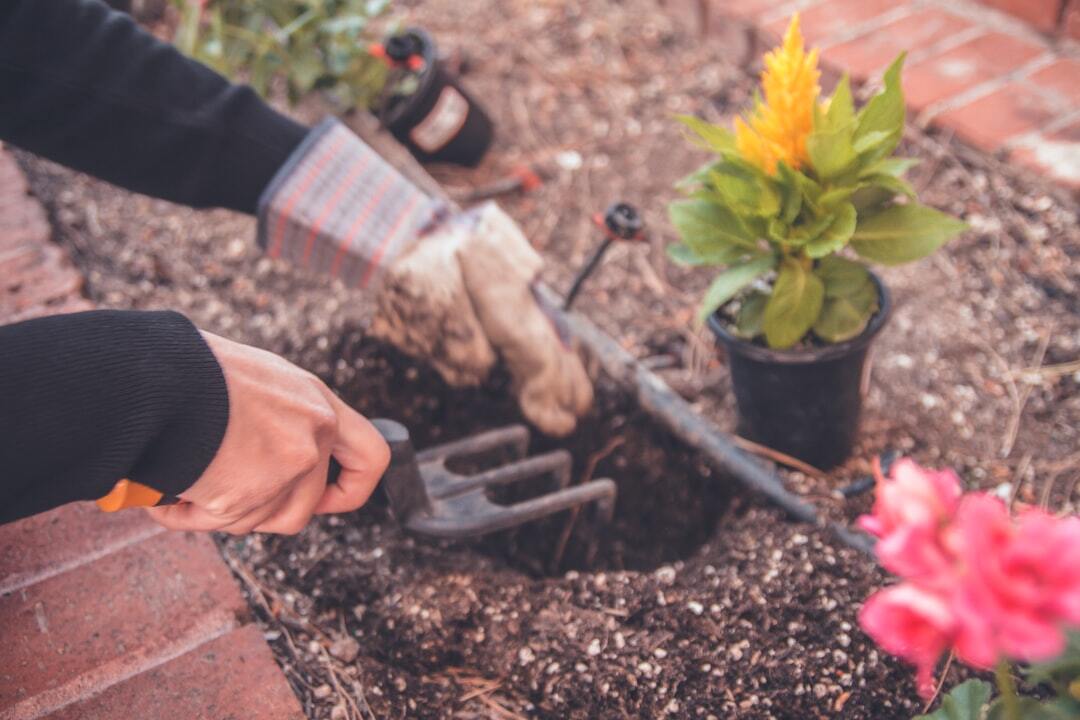
Continue deadheading bedding plants, roses and perennials to encourage further blooms. Remove faded flowers and trim back straggly growth on annuals for a late flush of colour. Prune spent stems on summer-flowering shrubs if needed but avoid major pruning jobs until the plants are dormant. Pinch out tomato side shoots and any late flower spikes on tender plants to concentrate their energy. Keep secateurs clean and sharp, as August is a time for plenty of light, regular tidying rather than drastic cuts.
Feeding Containers, Patio Pots and Crops
Patio pots, hanging baskets and any remaining vegetable crops need a midsummer boost to continue performing. Feed with a high-potash liquid fertiliser every week or two to promote flowering and fruiting. For leafy crops and veg patches, a balanced feed or organic mulch will support sustained harvests. Top up nutrients in the kitchen garden, especially for crops like courgettes, tomatoes and beans, which are still producing vigorously as the season turns.
Pest Management: Stay Ahead of Late-Summer Threats
Vigilance is key during late summer, as pests like vine weevil, slugs and chafer grubs can cause damage before autumn arrives. Inspect pots, bark and the soil regularly for vine weevil larvae and adults. Use biological controls where appropriate and remove debris that might shelter pests. Apply nematodes for chafer grubs while the soil is warm and moist. For slugs, keep beds tidy, remove hiding spots and use natural methods to deter them from tender new sowings.
Soil Preparation and Mulching
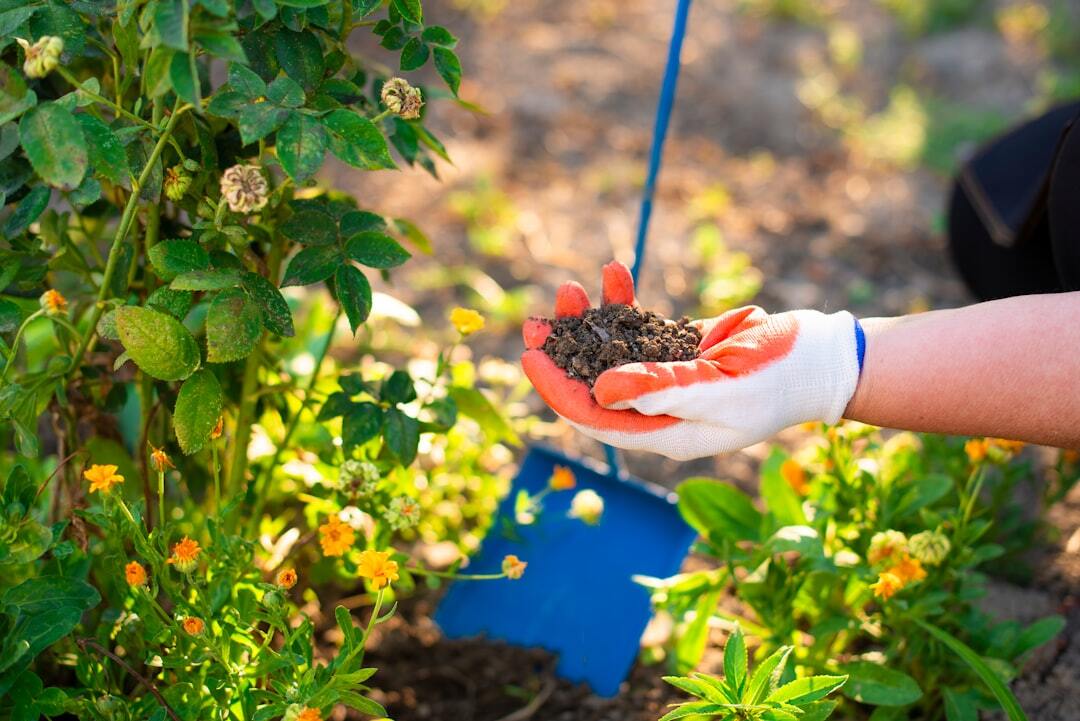
Now is the perfect time to prepare beds for autumn planting. Clear spent summer vegetables and faded annuals, then lightly fork over borders and add organic matter such as garden compost or well-rotted manure. Applying mulch at this stage not only retains moisture but also helps control weeds and gives your soil a biological boost ready for autumn rain. Preparing the soil while it’s warm supports strong root growth in new and overwintering plants.
Sowing Green Manures and Bulbs for Spring Colour
As beds become vacant, sow green manures like field beans, phacelia or clover to enrich soil and suppress weeds over autumn and winter. Late August is also prime time to start planting spring-flowering bulbs, crocus, daffodils, and snowdrops establish best while the ground is warm. For fast autumn salad crops, try rocket, spinach and radishes in cleared areas. Indoor sowing of hardy annuals can also begin for early colour next year.
Week-By-Week Planner for August
Early August: Focus on watering deeply and deadheading peak blooms. Mid-August: Sow last fast-maturing veg such as salad leaves, and feed crops for continued harvests. Late August: Prepare soil with mulch and green manures, tidy up empty beds, and order spring bulbs. Throughout: Inspect for pests, keep pruners to hand for regular tidying, and collect seeds from favourite perennials as they ripen. The daily habits you develop now will yield a healthier, more vibrant garden come autumn.