
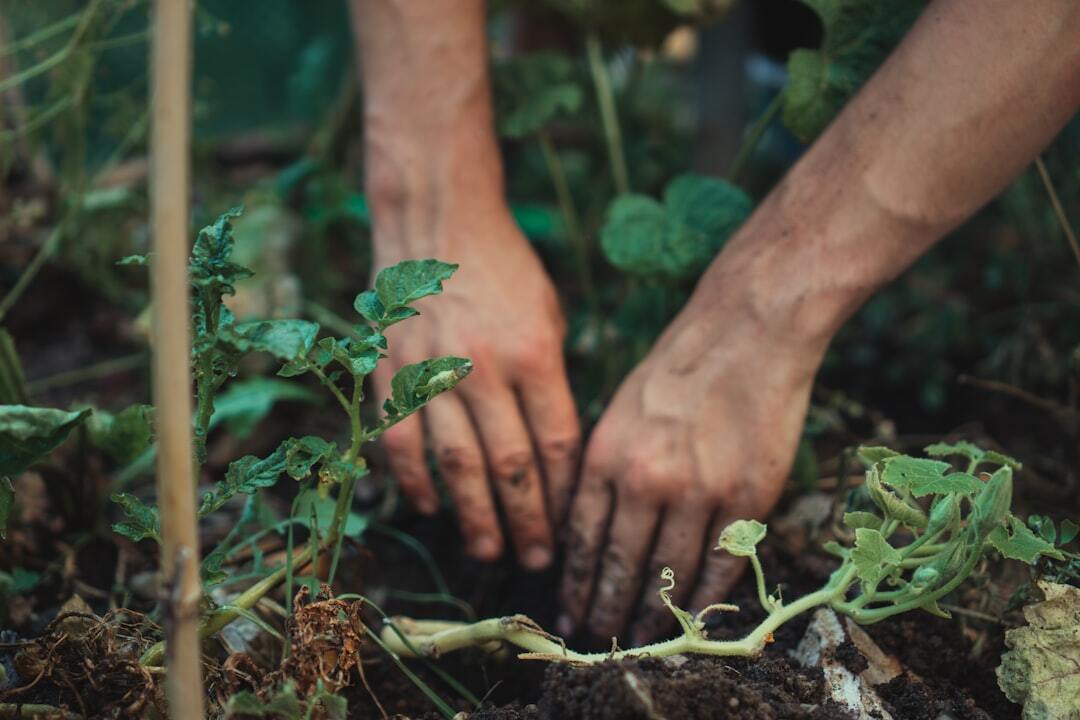
Healthy spring growth begins long before the first new shoots appear. Once summer planting has finished and the garden starts to slow down, autumn provides an opportunity to look beneath the surface and improve the soil that will support next year’s plants.
After months of growth, watering, foot traffic and changing weather, garden soil can become compacted, depleted of organic matter or increasingly difficult to manage. Tackling those problems now can improve its structure, drainage and ability to hold moisture, while giving natural processes time to work before the growing season begins again.
That does not mean every garden needs to be heavily dug or covered with fertiliser before winter. The best approach depends on the soil you already have. Heavy clay, light sandy soil and an established no-dig bed all benefit from slightly different treatment, so autumn preparation should begin with understanding what is happening underfoot.
Why Autumn Is a Good Time to Improve Garden Soil
Autumn has traditionally been one of the main periods for soil preparation in UK gardens, particularly where the ground is heavy or clay-based. Beds are becoming empty, temperatures are cooler and there is time for soil improvements to settle before spring planting begins.
For clay soils, autumn can be particularly useful. When the ground is workable rather than wet and sticky, compacted areas can be loosened and bulky organic matter added. Winter weather then helps break down larger clods and leaves the soil easier to work when conditions improve in spring.
However, autumn is not automatically the best time to heavily cultivate every type of soil. Light, sandy ground drains rapidly and can lose soluble nutrients through winter rainfall, so richer amendments are often better applied towards the end of winter or in spring. Much of autumn soil care is therefore about assessing, protecting and improving the ground rather than simply throwing as much compost or manure onto it as possible.
Start by Understanding the Soil You Already Have
Before adding anything, spend a little time looking at your existing soil. Different soil types behave differently, and understanding yours will help avoid unnecessary treatments.
Clay soil is made from very fine particles and often feels heavy and sticky when wet before becoming hard during dry weather. It can hold plenty of water and nutrients, but poor structure or compaction may result in slow drainage. Sandy soil is almost the opposite: it tends to drain quickly and warm rapidly, but water and nutrients can pass through it more easily. Loamy soils contain a more balanced mixture of particles and are generally easier to manage.
You do not need laboratory equipment simply to start improving your garden. Observe how quickly water drains after rain, whether the surface becomes hard, whether beds remain waterlogged and how easily a handful of moist soil breaks apart. These clues can tell you a surprising amount.
Testing the soil’s pH can also be worthwhile if plants are struggling or you intend to grow something with particular requirements. Most importantly, avoid automatically adding lime, fertiliser or other corrective products without knowing whether they are needed. Improving soil is usually about working with its existing characteristics rather than trying to turn it into an entirely different type.
Clear Weeds and Spent Plants Before Improving the Soil
Once the growing season begins to wind down, clear away annual weeds and spent plants from beds that are no longer productive. Removing problem weeds before winter prevents them from becoming more established and makes it considerably easier to see the condition of the soil underneath.
Healthy plant material can usually be added to a home composting system, returning some of its organic matter to the garden later. Plants showing obvious signs of troublesome disease should be dealt with appropriately rather than automatically being added to the compost heap.
There is no need to strip every bed completely bare simply for the sake of tidiness. Existing perennial plants, useful ground cover and healthy vegetation can continue providing habitat and protecting the soil. The aim is to clear areas that genuinely need preparation rather than turning the whole garden into exposed earth.
Add Organic Matter to Replenish Tired Garden Soil
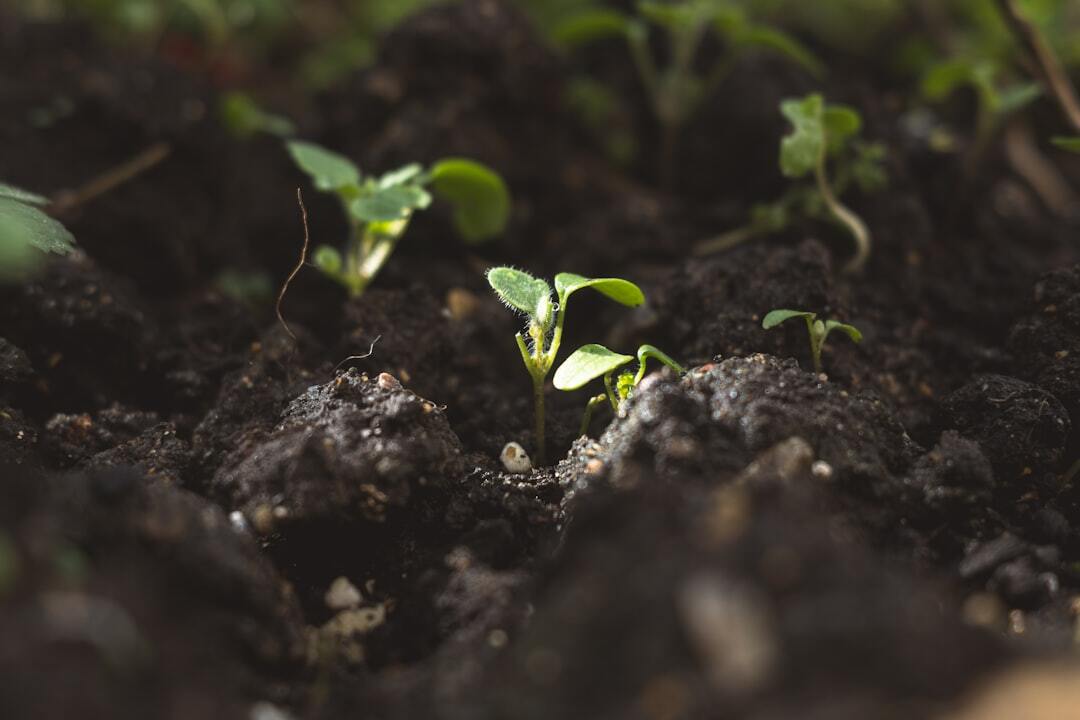
For most garden soils, increasing organic matter is one of the most useful long-term improvements you can make. Rather than acting only as a source of nutrients, organic material helps create a healthier physical structure within the ground.
In heavier soils, it can make the soil easier to work and improve the movement of air and water. In lighter soils, organic matter helps increase the amount of moisture and nutrients the ground can retain. It also provides material for earthworms and other soil organisms that gradually incorporate and transform it.
Exactly when and how much to apply depends on the soil and the material being used. Autumn can work particularly well on heavier ground, while nutrient-rich organic matter on very free-draining sandy soil is often better saved until later in winter or spring, reducing the chance of nutrients being washed away before plants can use them.
Garden Compost, Well-Rotted Manure or Leafmould?
Garden compost is a useful all-round soil improver. Well-made compost contains decomposed plant material that can help improve structure while slowly returning nutrients to the soil. Homemade compost also has the advantage of turning garden and suitable kitchen waste into something useful rather than relying entirely on bought products.
Well-rotted manure can be particularly valuable where additional fertility and organic matter are wanted. The important distinction is well-rotted. Fresh manure can contain high levels of readily available nutrients and should not simply be spread indiscriminately across beds in autumn.
Leafmould has a different role. Created from decomposed fallen leaves, it is not generally used as a rich fertiliser. Its real strength is as a soil conditioner, helping improve structure and moisture retention. For gardeners surrounded by deciduous trees, collecting autumn leaves and making leafmould also creates a valuable home-grown resource for future seasons.
Rather than asking which of these is universally best, consider what your soil actually needs. Improving texture and moisture retention, increasing fertility and creating a protective surface layer are related goals, but they are not exactly the same thing.
Should You Dig the Soil or Use a No-Dig Approach?
Autumn soil preparation has traditionally meant digging over beds with a spade or fork, but it is no longer considered necessary to turn over every established border each year.
Reducing unnecessary cultivation helps preserve the natural structure of the soil, including channels created by roots and earthworms and the complex networks of fungi and microorganisms living within it. In an established bed that drains properly and is not badly compacted, adding organic matter to the surface and allowing soil organisms to gradually incorporate it can be preferable to repeated deep digging.
No-dig gardening takes this further by deliberately avoiding routine turning of the soil. Organic material is spread over the surface and plants are grown into the improving upper layer. This approach can be used in vegetable beds as well as ornamental borders.
There are still situations where intervention can be useful. New beds, badly compacted ground or some heavy clay soils may require loosening. Even then, that does not necessarily mean turning the entire soil profile upside down. A garden fork can be inserted and gently rocked to open compacted ground while disturbing it less aggressively.
If you do choose to cultivate clay soil in autumn, timing matters. Never work it while it is saturated and sticky. Walking or digging on wet clay can destroy its structure and create exactly the compaction you are trying to correct.
Improve Compacted or Poorly Drained Soil Before Winter
Compaction restricts the movement of water and air through soil and can make it harder for plant roots to develop. Signs may include standing water after rainfall, a hard surface, shallow rooting or ground that feels unusually dense when pushed with a fork.
If compaction is relatively mild, loosening the affected area with a garden fork and introducing organic matter may be enough to begin improving the structure. Severe or persistent waterlogging needs more careful investigation because the cause may be a high water table, an impermeable layer below the topsoil or simply the naturally heavy nature of the ground.
One piece of advice to approach cautiously is adding large quantities of sand or grit to clay soil. It sounds logical that mixing a free-draining material into clay will instantly improve drainage, but relatively small amounts often make little meaningful difference and can make some heavy soils harder to manage.
For most home gardens, regularly adding bulky organic matter is a more practical way to improve clay soil. Where drainage remains a serious problem, raised beds, more suitable planting or properly planned drainage may be more effective than repeatedly adding grit.
Protect Bare Soil Through Autumn and Winter
Once a bed has been cleared and any necessary improvements made, think about what will cover the soil during winter. Completely bare ground is exposed to heavy rain, erosion, weed growth and repeated disturbance of the surface.
One option is organic mulch. Compost, leafmould, well-rotted organic material or other suitable biodegradable mulches create a protective layer while gradually contributing to the condition of the soil underneath.
Timing is worth considering. Where the main aim is to supply nutrients, late winter or early spring can be more efficient than applying rich material months earlier, particularly on lighter soils. Winter rainfall can carry soluble nutrients beyond the main rooting zone before plants begin actively growing again.
Autumn preparation can therefore include protecting the soil now while saving some of the richer feeding and mulching work until closer to spring.
Use Mulch to Improve and Protect the Soil Surface
A mulch reduces exposure of the soil surface and helps suppress emerging weeds. Organic mulches also provide material that soil organisms gradually break down, contributing to better structure over time.
Mulching is especially useful around established plants where repeated digging would disturb existing roots. Rather than incorporating material aggressively into the soil, it can simply be laid across the surface and left to work gradually.
Do not pile mulch directly against the stems or trunks of established plants. Leave a little space around their bases to reduce the risk of creating persistently damp conditions against living plant tissue.
Consider Green Manure on Empty Beds
Vegetable plots, allotments and other areas that would otherwise remain empty for several months can also be protected with green manure. These fast-growing plants are sown specifically to cover bare ground rather than to provide a crop for harvesting.
Depending on the species chosen and the time available, green manures can help suppress weeds, protect the soil surface and contribute organic material. Some can also help retain nutrients within the growing system that might otherwise be lost from bare ground.
The right variety depends on when it is being sown, how long the bed will remain empty and what you intend to plant next, so check the requirements of the particular green manure rather than treating all cover crops as interchangeable.
Let Winter Do Some of the Work
Good autumn soil preparation should reduce the amount of intervention needed later. Once appropriate organic matter has been added, compacted areas dealt with and bare soil protected, there is little benefit in repeatedly disturbing the bed throughout winter.
Earthworms and other soil organisms continue moving and processing organic material whenever conditions allow. In heavier cultivated soils, periods of frost and weathering can help break down exposed clods. Meanwhile, a covered soil surface is better protected from the constant impact of winter rain.
This is one reason healthy soil is best treated as a living system rather than simply a material plants are anchored into. Roots, fungi, bacteria, organic matter, air and water all interact beneath the surface. Giving those processes time is often as valuable as another round of digging or feeding.
What to Avoid When Preparing Garden Soil in Autumn
More intervention does not automatically produce better soil. One of the easiest mistakes is adding products because they are traditionally associated with gardening rather than because the ground actually needs them.
Avoid digging or walking extensively on waterlogged soil, particularly heavy clay. Do not add lime simply because it is autumn; lime changes soil pH and should only be used when there is a genuine reason to alter acidity. The same applies to fertilisers, which should address the needs of the plants and soil rather than being applied routinely.
Be cautious with fresh manure and very nutrient-rich material before a long wet winter, particularly on free-draining soils. Equally, do not assume adding a few bags of sharp sand will transform heavy clay into freely draining loam.
Repeatedly turning established soil can also be unnecessary. If the bed already has good structure and drainage, maintaining it with organic matter and minimal disturbance may be far more useful than recreating it every autumn with a spade.
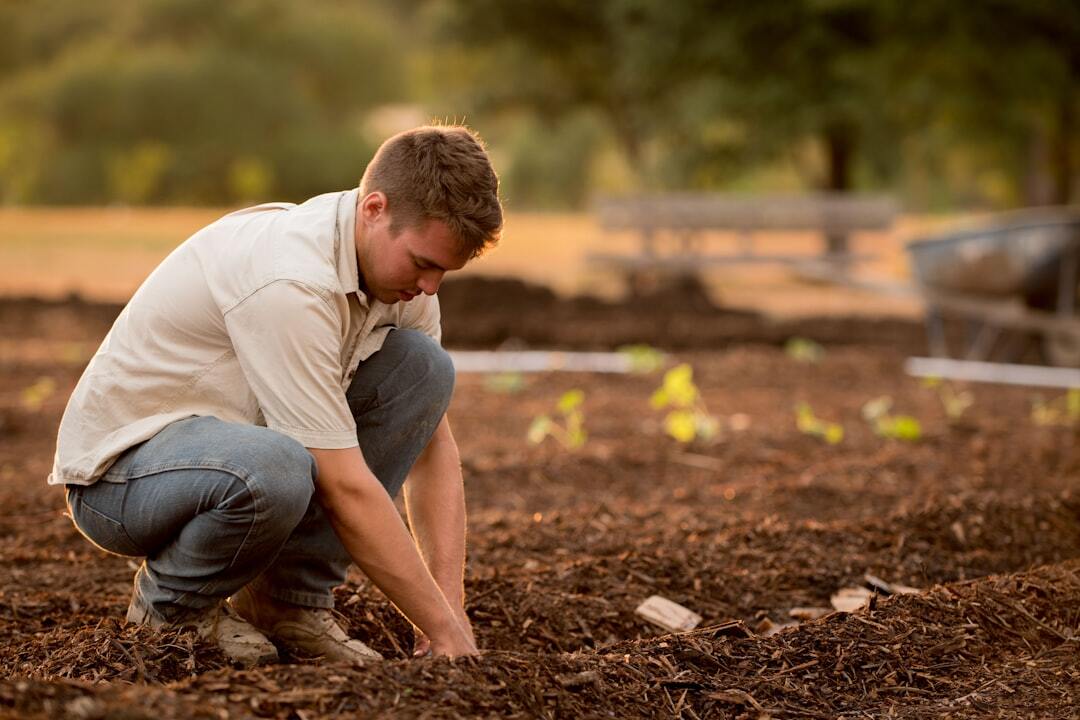
Getting Your Soil Ready for Planting in Spring
By spring, well-prepared soil should need considerably less work. Resist the temptation to begin cultivating simply because a few bright days have arrived. First check the ground itself: if a handful of soil is saturated, sticky or forms a dense lump rather than breaking apart reasonably easily, give it more time to dry.
Once conditions are suitable, remove any remaining coarse winter covering where necessary and deal with emerging weeds before they establish. Beds intended for direct sowing may need the surface lightly raked to create the finer texture required by small seeds, while established borders may need little more than a fresh layer of organic matter.
This is also a sensible point to apply amendments that were deliberately held back over winter, particularly on lighter soils. If a pH or nutrient test has identified a genuine deficiency, make the appropriate correction rather than adding a general mixture of products.
Green manure should be managed according to the variety grown and the planting method you intend to use afterwards. Allow enough time between clearing or cutting it and sowing the next crop where necessary.
The goal is not perfectly fine, bare soil across the entire garden. It is ground with a healthy structure, suitable moisture levels and enough organic matter to support the plants that will grow there.
Healthy Spring Growth Starts With Autumn Soil Care
Preparing garden soil in autumn is less about performing a fixed list of jobs and more about giving the ground what it genuinely needs before winter arrives. For some gardens, that may mean loosening workable clay and adding bulky organic matter. Elsewhere it could simply involve removing problem weeds, protecting empty beds and allowing established soil to remain largely undisturbed.
Understanding your soil type is the most useful starting point. From there, thoughtful use of compost, well-rotted manure, leafmould, mulch and green manure can gradually improve structure while supporting the life beneath the surface.
By the time temperatures begin to rise again, the reward should be soil that is easier to work, better able to manage moisture and ready to support new roots. Rather than trying to fix everything in a rush at the beginning of spring, a little considered preparation in autumn allows the garden, and winter itself, to do much of the work for you.