
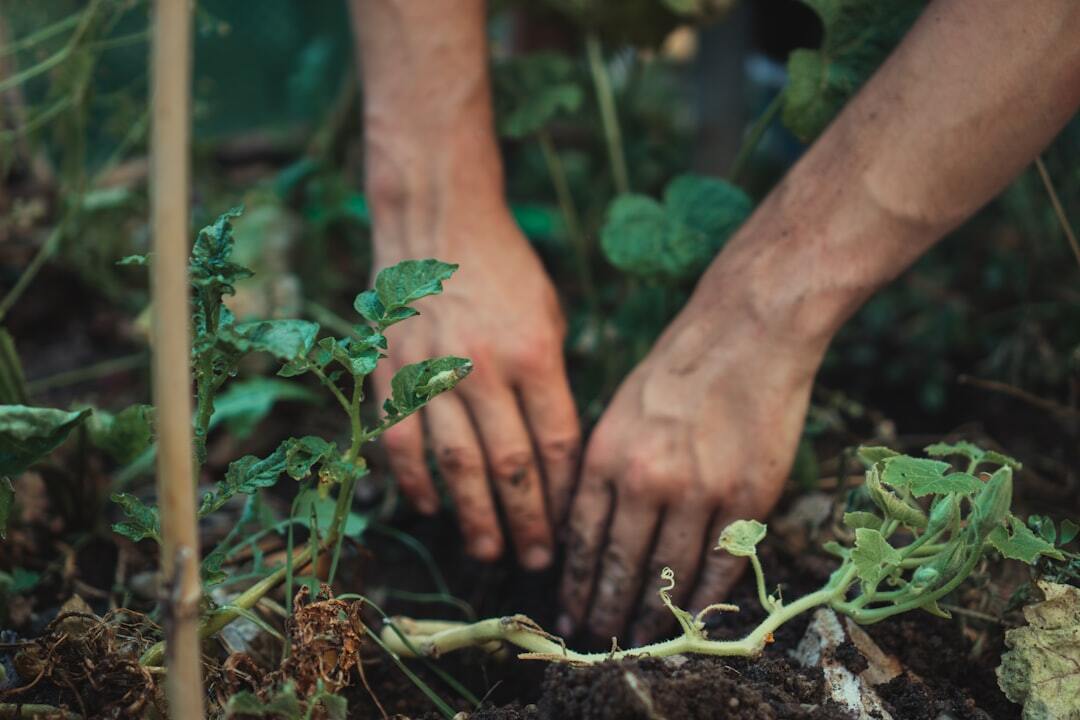
Healthy plants start with healthy soil. Laying the groundwork for next year begins as soon as this year’s hustle winds down, long before seed packets are opened or new shoots appear.
Autumn is your window of opportunity: by taking just a little action now, you can transform tired beds into rich, living soil primed for deep roots, resilient growth, and a flourishing garden come spring.
Why Autumn Is Prime Time for Soil Preparation
According to longstanding horticultural advice, the best time to prepare your garden soil is autumn, once annual plants have finished and the garden seems asleep. This period gives organic amendments time to break down and becomes the perfect starting point for spring planting. Adding compost or well-rotted manure at this stage ensures nutrients are available as soon as temperatures rise. By acting now, gardeners enlist nature’s cycles, winter rain, frost and microbial activity, to help build fertile ground. If your soil feels compacted or depleted at the end of the season, autumn preparation sets the foundation for the next year’s success.
Step 1: Clearing Out Old Plants and Debris
Start by removing spent crops, weeds, and any plant material susceptible to harbouring pests or diseases. This reduces overwintering problems and allows you to assess the true condition of your soil. Carefully pull any leftover roots, then rake away rocks, sticks and larger debris. For first-time beds, thorough clearing is especially vital, roots grow best when there’s nothing to block their way. Where possible, compost healthy, disease-free residue to return nutrients to your system in future seasons.
Step 2: Loosening and Aerating the Soil
Soil that hasn’t been disturbed in a while, especially after a busy growing season, can become compacted. A key early task is to gently loosen it: aim for a depth of at least 8 inches for established beds, up to 12 inches for first-year plots. Use a garden fork or broadfork, never work soil that is waterlogged, as this damages structure and leads to clumping. Loosening improves drainage, makes it easier for roots to establish, and encourages movement of air and water around plant roots. Where soil is especially heavy, working in layers at a time is kinder than a single, deep dig.
Getting to Know Your Soil: Testing and Texture
Garden soil has three main textures, clay, sand, and silt, but the gold standard is loam, a balanced blend that offers both moisture retention and drainage. To create an optimal environment for plants, it pays to understand your garden’s specifics. Simple homemade tests or a professional soil test reveal pH and nutrient levels, identifying any glaring deficiencies or excesses to be corrected. The results can guide your choice of organic matter or amendments. Remember, not all issues can be seen with the eye, testing takes away the guesswork and targets improvements efficiently.
Step 3: Adding Organic Matter, The Single Most Effective Improvement
No matter your starting point, the long-term solution for every soil is the same: enrich it with organic matter. Compost, leaf mould, or aged manure are best, as they add nutrients, improve soil texture, and encourage beneficial soil life while increasing moisture retention and aeration. Never use raw manure, uncomposted wood waste or random soil additives unless a test indicates it’s appropriate, these can disrupt balance or encourage plant problems. Work organic matter through the top several inches using a fork or broad hoe, then leave it for winter to work its natural magic. For heavy clay, sharp sand or grit can help, but always accompany this with compost for improved results.
Level, Cover and Let Nature Do the Rest

Once amendments have been incorporated, level the bed with a steel rake or hoe. A smooth, even surface encourages winter moisture to settle evenly and helps organic material break down uniformly. In cold areas, consider raised beds, which warm up and dry out quickly come spring. To protect your hard work from winter erosion and weed growth, cover the soil with organic mulch such as straw, leaves or even a green manure cover crop. This not only suppresses weeds but also boosts soil life by providing cover and decomposing into additional organic matter.
Minimising Tillage and Embracing Soil Microbiology
Gardeners increasingly recognise that excessive digging can damage soil structure and disturb beneficial organisms. For established beds, reduce tillage to preserve the complex network of fungi, microbes and earthworms that support healthy plants. Consider no-dig methods: chop and drop spent plant material, add mulch, and allow time for decomposition. Keeping soil covered also protects from nutrient leaching during wet months while fostering a population of thriving microorganisms essential to plant health. This gentle approach results in stronger, more resilient soil over time.
Planning for Spring: What to Do Just Before Planting
When winter is over and you’re ready for the new season, only minimal intervention should be needed. In spring, check the soil moisture before digging, a handful should crumble lightly, not stick together. Top up beds with a thin layer of compost, and gently fork in if needed. Test for pH or nutrients if you haven’t already, and adjust with specific amendments only as required. If you sow green manure or cover crops over winter, cut them back and incorporate once the soil warms. A well-prepped autumn bed means less spring effort and quicker planting, so your garden gets off to a flying start.