
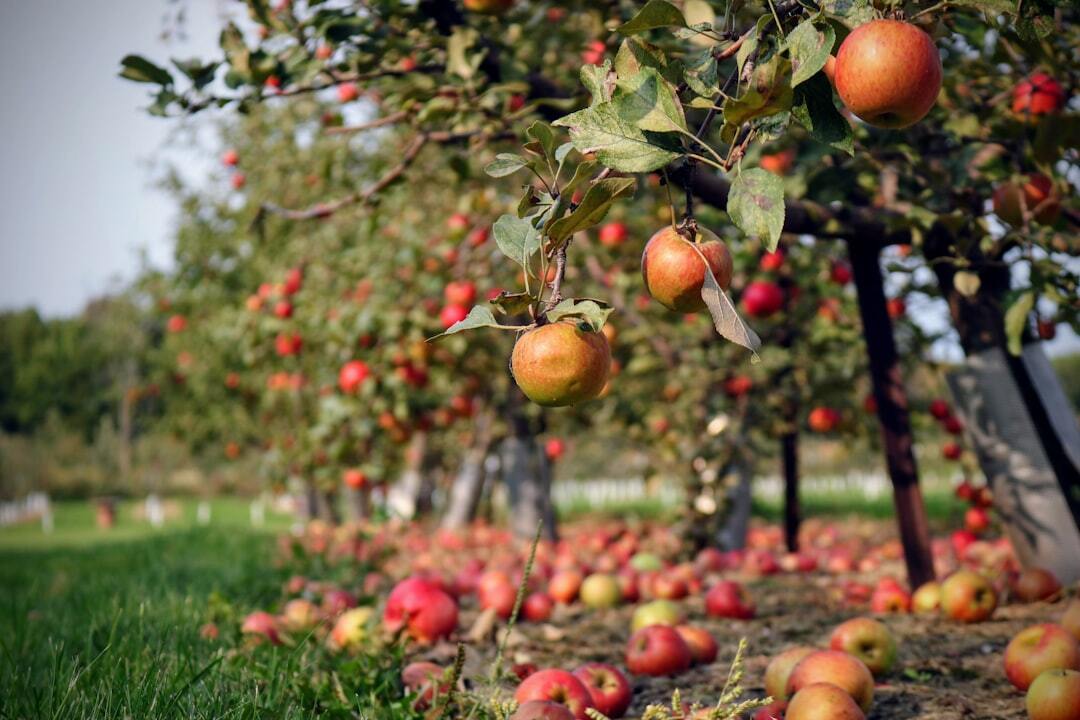
Whether you have returned from an orchard with a bag full of fruit, picked apples from your own garden or simply spotted the new-season British crop in the shops, autumn is the perfect time to make the most of fresh apples.
From a bubbling apple and blackberry crumble to warming baked apples, homemade compote and savoury dishes with pork, cheese and mustard, there are far more ways to enjoy the autumn harvest than apple pie alone.
The key is knowing which apples work best for different recipes. Some varieties soften beautifully when cooked, while others retain their shape and bring sweetness, crunch or acidity. Here are some of the best apple recipes for autumn, along with simple ways to store, prepare and preserve fresh apples so none of the harvest goes to waste.
Why Autumn Is the Best Time to Cook With British Apples
British apple season gathers pace from late summer and continues throughout autumn, with different varieties becoming available as the season progresses. It is the time of year when locally grown apples are at their most abundant and when orchards, gardens and farm shops offer considerably more variety than the handful of familiar apples available throughout the year.
Fresh seasonal fruit also gives you the opportunity to choose apples for the job rather than simply using whichever variety happens to be in the fruit bowl.
Tart cooking apples can collapse into a soft filling for crumbles and sauces, while firmer dessert apples add texture to cakes, salads and savoury dishes. Combining two varieties can often give the best of both worlds.
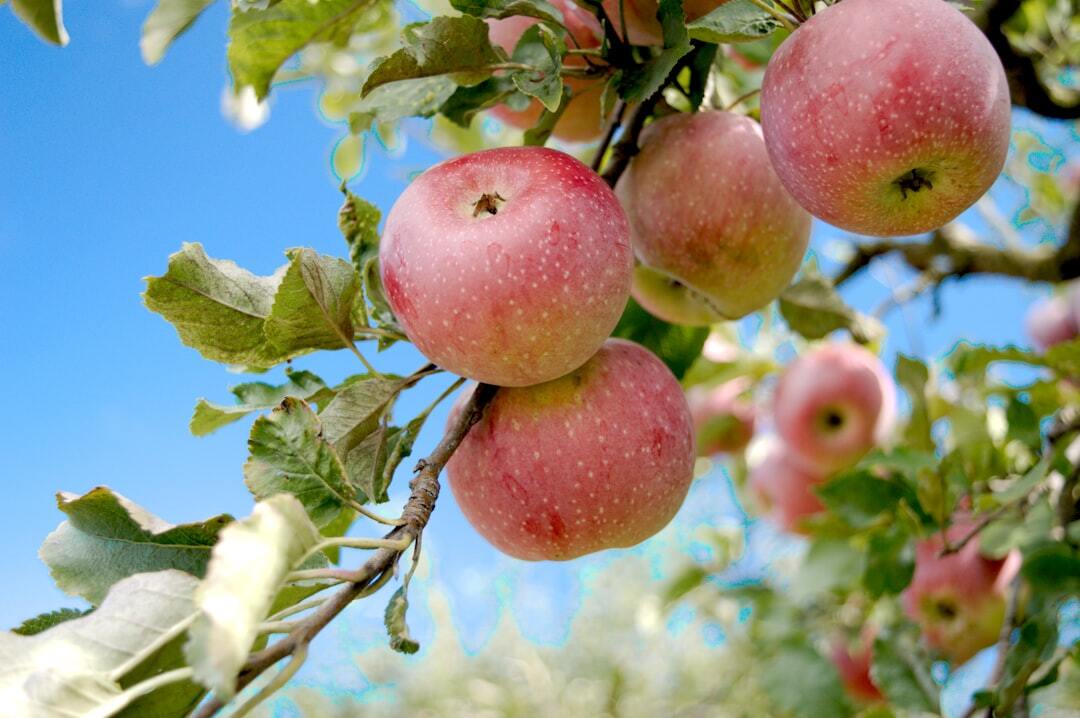
Cooking Apples or Eating Apples – Which Should You Use?
Bramley apples remain one of the classic choices for British cooking. Their sharp flavour balances sugar particularly well and their flesh softens considerably during cooking, making them ideal for crumbles, pies, sauces and compotes.
Dessert apples such as Cox, Gala and Braeburn tend to be naturally sweeter and usually retain more texture. They can work beautifully in cakes, baked apple dishes, salads and recipes where distinct pieces of fruit are preferable.
You do not always need to choose one or the other. Mixing a tart cooking apple with a sweeter, firmer variety can create a filling with both depth of flavour and texture.
Which Apples Are Best for Cooking and Baking?
Bramley Apples – Best for Crumbles, Pies and Sauces
If you are making a traditional apple crumble, pie or apple sauce, Bramleys are difficult to beat. Their sharp flavour becomes mellower when cooked with a little sugar, while the flesh breaks down to produce the soft texture associated with classic British apple puddings.
Cox, Gala and Braeburn – Sweeter Apples for Cakes and Bakes
Sweeter dessert apples are useful when you want pieces of fruit to remain visible after cooking. Cox apples have an aromatic flavour that works particularly well with spices, while Braeburn brings a useful balance of sweetness and acidity.
Gala apples are considerably sweeter and can help reduce the amount of additional sugar needed in simple baked dishes.
Egremont Russet and Other British Varieties Worth Trying
Autumn is also an opportunity to experiment with less familiar British varieties. Egremont Russet has a distinctive nutty flavour that pairs particularly well with cheese, nuts and autumn salads.
If you are buying apples from a farm shop or orchard, ask what has recently been picked and how each variety behaves when cooked. Some of the best autumn recipes begin with whatever happens to be at its seasonal peak.
Easy Apple Recipes to Make This Autumn
You do not need complicated pastry work or hours in the kitchen to turn fresh apples into something worth making. These simple recipes range from traditional autumn puddings to breakfasts and everyday dishes that are easy to adapt according to the apples you have available.
Classic Apple and Blackberry Crumble
Apple and blackberry is one of autumn’s great combinations. Tart apples create the soft, sharp base while blackberries add colour and a deeper fruitiness beneath a crisp, buttery topping.
For the filling:
- 750g cooking apples, peeled, cored and sliced
- 150g blackberries
- 50g caster or light brown sugar
- 1 teaspoon ground cinnamon
- A small squeeze of lemon juice
For the crumble:
- 175g plain flour
- 100g cold unsalted butter, cubed
- 75g light brown sugar
- 50g rolled oats
Heat the oven to 190°C, or 170°C fan. Toss the sliced apples with the blackberries, sugar, cinnamon and lemon juice before spreading them across a baking dish.
Rub the butter into the flour with your fingertips until the mixture resembles coarse breadcrumbs, then stir through the brown sugar and oats. Scatter the crumble over the fruit and bake for around 35–40 minutes, until golden on top and bubbling around the edges.
Serve warm with custard, cream or vanilla ice cream.
Easy Dorset Apple Cake
A simple apple cake is an excellent way to use dessert apples that are becoming slightly soft. The fruit keeps the sponge moist while cinnamon provides just enough autumn warmth without overwhelming the flavour of the apples.
- 225g self-raising flour
- 115g softened butter
- 115g light brown sugar
- 2 eggs
- 2 medium apples, peeled, cored and chopped
- 1 teaspoon ground cinnamon
- A splash of milk if required
Heat the oven to 180°C, or 160°C fan, and line a 20cm cake tin. Cream the butter and sugar together, beat in the eggs and then gently fold through the flour and cinnamon.
Add the chopped apples, using a small splash of milk if the mixture feels particularly stiff. Spoon into the tin and bake for approximately 40–50 minutes, until golden and a skewer inserted into the centre comes out clean.
It is excellent slightly warm but keeps well enough to make ahead for an autumn afternoon with tea or coffee.
Cinnamon Baked Apples
Baked apples are one of the easiest ways to turn fresh fruit into a proper autumn pudding.
Choose firm apples that will hold their shape in the oven. Core them without cutting completely through the base, then fill the centres with a mixture of brown sugar, cinnamon, raisins or sultanas and a small knob of butter.
Arrange in a baking dish with a splash of water or apple juice and bake at 180°C, or 160°C fan, for around 25–35 minutes depending on their size.
The apples should become tender while remaining intact. Serve them with yoghurt for something lighter, or custard or ice cream for a more indulgent pudding.
Simple Apple Tart
For an impressive-looking dessert that requires relatively little effort, start with a sheet of ready-rolled puff pastry.
Score a border around the pastry without cutting all the way through, then arrange thinly sliced dessert apples in overlapping rows inside it. Brush lightly with melted butter and sprinkle with brown sugar and cinnamon.
Bake according to the pastry instructions until puffed and golden, then finish with a little warmed apricot jam if you want a glossy finish.
Serving the tart warm with crème fraîche keeps the whole thing simple while still making the most of fresh autumn fruit.
Apple and Cinnamon Overnight Oats
Not every apple recipe needs to involve pudding. For an easy autumn breakfast, combine rolled oats with milk or yoghurt, grated apple, cinnamon and a small spoonful of honey.
Leave the mixture in the fridge overnight and finish it the following morning with chopped walnuts, pecans or pumpkin seeds.
Grating the apple directly into the oats allows its juice and sweetness to flavour the entire mixture.
Apple Compote for Porridge, Pancakes and Yoghurt
Apple compote is one of the most useful things to make when you have several apples approaching the end of their best.
Peel, core and chop around four apples, then place them in a saucepan with a few tablespoons of water, a squeeze of lemon juice and half a teaspoon of cinnamon.
Cook gently for 10–15 minutes until the fruit has softened. Leave it chunky or mash it further depending on how you prefer it.
Once cooled, the compote can be spooned over porridge, yoghurt and pancakes, served alongside roast pork or used as the starting point for a quick crumble.
Savoury Apple Recipes That Go Beyond Dessert
The natural sweetness and acidity of apples also make them extremely useful in savoury cooking. They work particularly well with pork, sausage, mature cheese, mustard, nuts and earthy autumn vegetables.
Pork, Apple and Mustard Traybake
A simple traybake brings together several classic autumn flavours with very little preparation.
Arrange pork sausages or pieces of pork tenderloin in a roasting tray with quartered apples, red onion and small potatoes. Toss with a little olive oil, thyme, salt and black pepper before roasting until everything is nearly cooked.
For the final 10 minutes, stir together a spoonful of wholegrain mustard with a little honey and brush it over the meat and apples.
The apples soften and caramelise around the edges while their acidity cuts through the richness of the meat.
Apple, Cheddar and Walnut Salad
Crisp dessert apples are ideal in autumn salads because they add both sweetness and texture.
Combine thin apple slices with salad leaves or rocket, mature Cheddar, toasted walnuts and finely sliced red onion. Dress simply with olive oil, cider vinegar and a little Dijon mustard.
Egremont Russet, Cox or another aromatic British dessert apple works especially well here.
Parsnip and Apple Soup
Apples can also balance the earthy sweetness of autumn root vegetables.
Gently soften a chopped onion before adding diced parsnips and one peeled, chopped apple. Cover with vegetable or chicken stock and simmer until the parsnips are tender.
Blend until smooth and season with salt, pepper and a small pinch of nutmeg. A swirl of crème fraîche or a scattering of toasted hazelnuts makes a simple finishing touch.
Sausage and Apple Bake
For straightforward comfort food, roast sausages with apple wedges, onions and sage. Add a splash of stock or cider vinegar towards the end of cooking to create a light savoury glaze from the juices in the tray.
Serve with mashed potatoes, greens or roasted root vegetables for an easy autumn dinner.
What to Make When You Have Too Many Apples
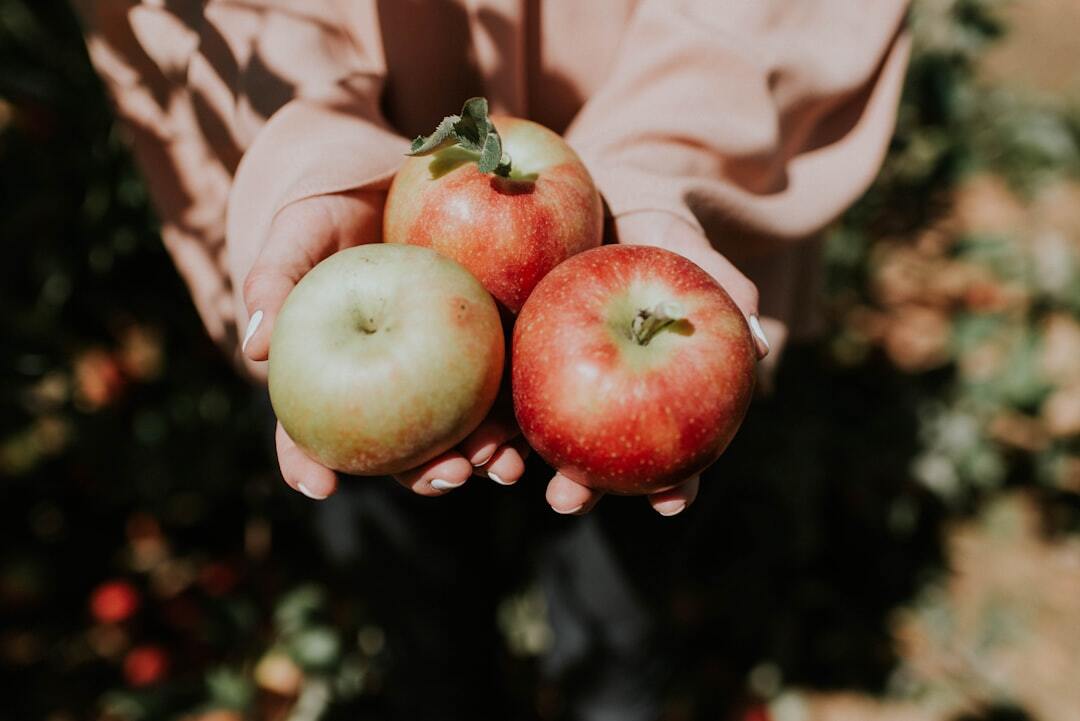
A productive tree can produce considerably more fruit than one household can eat while it is fresh. Fortunately, apples are one of the easiest autumn fruits to cook, preserve and freeze.
Make Homemade Apple Sauce
Peel, core and roughly chop cooking apples before placing them in a saucepan with a splash of water. Cover and cook gently until they collapse.
You can leave the sauce unsweetened for serving with roast pork or add sugar and cinnamon if it is destined for breakfasts and desserts.
For a smoother finish, mash or blend once cooked.
Turn Extra Apples Into Chutney
Apple chutney is particularly useful because it turns a large quantity of fruit into something that can be enjoyed much later in the year.
Apples pair naturally with onions, cider vinegar, brown sugar, raisins and warming spices. Cook the mixture slowly until thick and glossy before transferring it to properly sterilised jars.
The finished chutney works particularly well with mature cheeses, cold meats and Boxing Day leftovers.
Stew Apples and Freeze Them for Later
If you do not have time to make preserves, stewing and freezing apples is considerably easier.
Cook peeled and chopped apples gently with a small amount of water until they are just beginning to soften. Allow them to cool completely before portioning into suitable freezer containers.
You then have ready-prepared fruit for future crumbles, pies, porridge and desserts.
Freeze Fresh Apples for Future Baking
Apples can also be frozen before cooking. Peel, core and slice them, toss with a little lemon juice and spread them in a single layer on a lined tray.
Once frozen, transfer the pieces to a freezer bag or container. Freezing them separately first prevents the slices becoming one solid block and makes it easier to remove only what you need.
The texture will become softer after freezing, so these are best saved for recipes where the apples will eventually be cooked.
Easy Flavour Pairings That Work Brilliantly With Apples
Apple and Cinnamon
There is a reason this combination appears in everything from porridge to pies. Cinnamon brings warmth without hiding the freshness of the fruit and works particularly well with sweeter apple varieties.
Apple and Blackberry
Few combinations capture the British autumn quite like apples and blackberries. The berries add sweetness, acidity and deep purple colour to crumbles, pies and compotes.
If both are available locally at the same time, combining them is also an easy way to cook with two seasonal ingredients at their best.
Apple and Caramel
For something more indulgent, the slight sharpness of apple provides a natural contrast to caramel and toffee flavours.
Try adding caramel sauce to baked apples, serving an apple tart with salted caramel or folding small pieces of apple through a cinnamon cake before finishing it with a light caramel glaze.
Apple With Pork, Mustard and Cheese
Savoury pairings are every bit as useful. Sharp apples cut through rich pork and sausages, while crisp dessert varieties sit naturally alongside mature Cheddar or blue cheese.
Mustard, thyme, sage, walnuts and hazelnuts all work well when taking apples in a more savoury direction.
How to Prepare Fresh Apples for Cooking
Most apple recipes require very little specialist equipment. A sharp knife, vegetable peeler and simple apple corer will handle almost everything.
For cakes and crumbles, pieces do not need to be perfectly identical, although keeping them reasonably similar in size helps them cook evenly. For tarts and salads, thinner and more consistent slices create a neater finish.
How to Stop Cut Apples Turning Brown
Once an apple is cut, exposure to air causes the flesh to begin turning brown. This is harmless, but it can make fruit look less appealing when preparing recipes in advance.
A light coating of lemon juice slows the process. For larger quantities, place prepared apple pieces briefly into a bowl of cold water containing a squeeze of lemon, then drain before using.
Do You Need to Peel Apples Before Cooking?
Not always. Apple skin can add colour, flavour and texture, and leaving it intact saves time.
For smooth apple sauce and traditional crumble fillings, peeling usually produces a softer result. For baked apples, salads, traybakes and many cakes, the skin can often stay exactly where it is.
How to Store Fresh Apples and Make the Harvest Last Longer
If you have picked more apples than you can immediately use, careful storage can extend their life considerably.
Handle freshly picked fruit gently and set aside anything that is bruised or damaged for cooking first. Apples intended for longer storage should be sound and unblemished.
Keep them somewhere cool, dark and well ventilated, arranging them so damaged fruit can be spotted and removed quickly. Avoid simply piling a large harvest into one deep container where bruising and unnoticed spoilage are more likely.
Different apple varieties store for different lengths of time, so use softer and earlier-ripening varieties first while keeping good storage apples for later in the season.
How Do You Know When an Apple Is Ready to Pick?
An apple that is ready for harvesting will often come away from the tree with a gentle lift and twist rather than needing to be pulled forcefully.
Do not judge ripeness by colour alone, particularly if you are growing a variety you are unfamiliar with. Fruit on the sunnier side of a tree may colour earlier even though apples elsewhere are at a similar stage of maturity.
Make the Most of British Apple Season
A good autumn apple harvest does not need to result in weeks of identical crumbles. Start with the fruit you have and choose recipes according to its character.
Sharp cooking apples can become crumble, sauce and compote. Firmer dessert varieties can go into cakes, salads and traybakes. A mixture of the two can often produce an even better pie or pudding.
And when the fruit bowl is still overflowing, preserving or freezing the surplus means the autumn harvest can continue appearing in breakfasts, dinners and puddings long after the last apples have been picked.
Frequently Asked Questions About Cooking With Fresh Apples
What is the best apple for apple crumble?
Bramley is one of the classic British choices because its tart flavour balances the sweetness of the crumble topping and its flesh softens beautifully during cooking. Mixing Bramley with a firmer dessert apple can provide additional texture.
What can I make with lots of fresh apples?
Apple crumble, cakes, compote, apple sauce and baked apples are all easy ways to use larger quantities. Apples can also be turned into chutney, frozen for later baking or incorporated into savoury dishes with pork, sausage, cheese and root vegetables.
Can you use eating apples instead of cooking apples?
Yes. Eating apples can be used in many cooked recipes, although they tend to be sweeter and may hold their shape more firmly. You may therefore want to reduce the added sugar or combine them with a sharper cooking apple.
Do you need to peel apples before cooking them?
No. It depends on the recipe and the texture you want. Peel apples for smooth sauces and softer traditional fillings, but the skin can usually remain on for baked apples, salads, many cakes and savoury traybakes.
How do you stop cut apples turning brown?
Tossing cut apples with a little lemon juice helps slow browning. If you are preparing a larger batch, place the slices briefly in cold water containing lemon juice before draining them ready for cooking.
Can you freeze apples for baking later?
Yes. Apples can be peeled, cored and sliced before freezing. Freeze the pieces in a single layer first before transferring them to a container or freezer bag. Their texture will soften after defrosting, but they remain well suited to crumbles, pies, cakes and cooked sauces.