
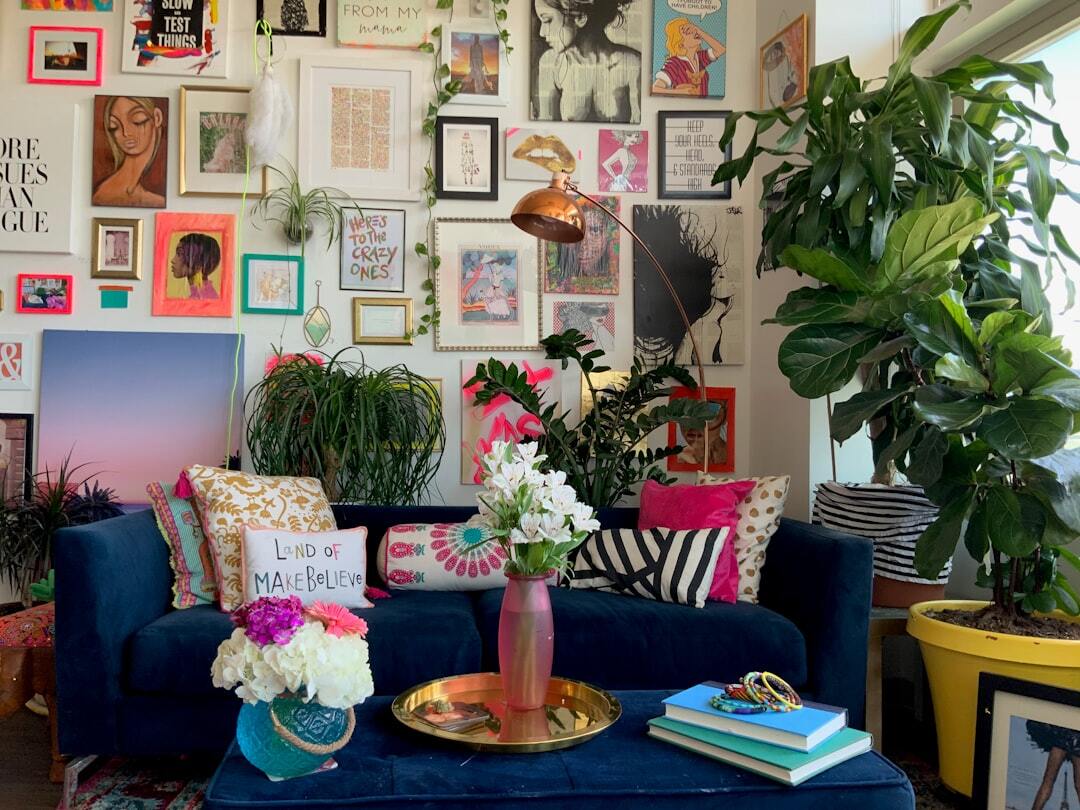
A living room can start to feel tired long before anything actually needs replacing. Sometimes it is simply a case of becoming too familiar with the layout, colours and objects you see every day.
The good news is that refreshing your living room does not have to mean redecorating from scratch or buying an entirely new set of furniture. Small changes to the layout, lighting, textiles and accessories can have a surprisingly big impact. Start with what you already own, then add a few carefully chosen updates where they will make the most difference.
Start by Decluttering and Looking at the Room Afresh
Before buying anything new, take a good look at what is already in the room. Coffee tables, shelves and sideboards have a habit of gradually accumulating objects until the overall space starts to feel busier than intended.
Clear surfaces and temporarily remove some accessories rather than simply rearranging everything. You may find that a favourite vase, stack of books or framed photograph has much more impact when it is not competing with several other pieces.
It is also worth looking elsewhere in the house. A lamp from a bedroom, artwork from a hallway or decorative bowl tucked away in a cupboard can feel completely different when moved into a new setting. Refreshing a room is often as much about editing and rediscovering what you own as it is about adding something new.
Rearrange Your Furniture Before Replacing It
Changing the furniture layout is one of the easiest ways to make a familiar living room feel different, and it costs nothing.
Try moving an armchair to another corner, changing the position of a side table or pulling seating slightly away from the walls if the room allows. A sofa does not automatically have to sit against the longest wall, and even relatively small adjustments can improve how the room feels and how easily you move through it.
Think about how you actually use the space. If one chair has naturally become your reading spot, placing a lamp and small table beside it can create a more deliberate corner. If the room is mainly used for conversation and entertaining, bringing seating slightly closer together may make it feel more welcoming.
The aim is not to follow a particular layout rule, but to make the room work better for everyday life.
Refresh the Room with New Cushions and Throws
Soft furnishings are one of the quickest ways to introduce new colour and texture without making permanent changes.
Instead of replacing entire cushions, look for new covers that work with the colours already in the room. A mix of plain fabrics and subtle patterns usually feels more relaxed than trying to match everything exactly. Linen, cotton, wool and other tactile fabrics can also help break up a room that feels visually flat.
A throw draped over the back or arm of a sofa can soften larger pieces of furniture and bring another layer into the scheme. Rather than choosing completely unrelated colours, pick up tones already found in your rug, artwork, curtains or furniture so the update feels connected to the rest of the room.
A few well-chosen changes are usually more effective than replacing every cushion at once.
Introduce Colour Without Repainting the Whole Room
You do not need to repaint all four walls to change the colour balance of a living room.
Artwork, cushions, lampshades, ceramics, books and small pieces of furniture can all introduce colour in a much lower-commitment way. If your room is predominantly neutral, repeating one accent colour in two or three places can make the scheme feel more considered.
For example, a muted green picked up in a print could be echoed through a cushion and a ceramic vase. Warmer rust, terracotta or ochre tones can add depth, while softer blues and greens can create a calmer feel.
If you do want to use paint, you could refresh a single feature such as built-in shelving, a fireplace surround or a small piece of furniture instead of redecorating the entire room.
Use Texture to Make the Space Feel Warmer
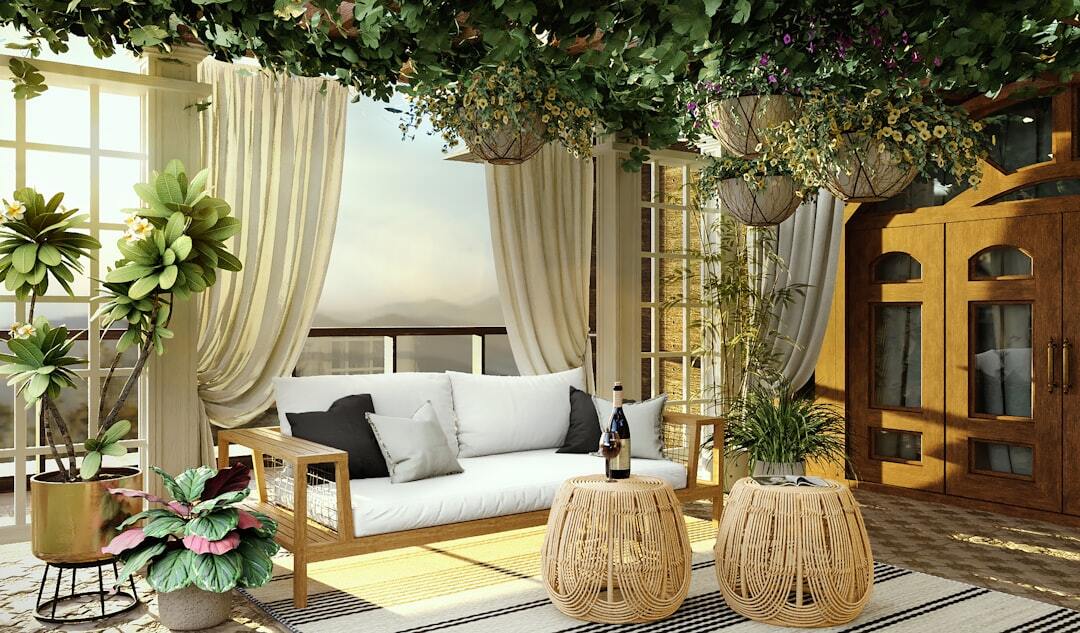
Sometimes a room has the right colours but still feels a little flat. Adding different textures can make it feel warmer, softer and more inviting without changing the overall palette.
Try combining materials such as linen, wool, wood, woven baskets and ceramics. A textured cushion beside a smooth sofa, a natural fibre basket next to a painted cabinet or a soft rug beneath a wooden coffee table creates contrast without making the space feel overly styled.
Natural materials are particularly useful because they work across a wide range of interior styles. You do not need large statement pieces either. A woven tray, textured lampshade or wooden bowl can be enough to introduce another layer.
Rethink Your Living Room Lighting
Lighting can completely alter the atmosphere of a living room, particularly in the evening.
If you currently rely mainly on a central ceiling light, try creating several smaller pools of light instead. Table lamps, floor lamps and reading lights positioned around the room generally create a softer and more comfortable atmosphere.
You may not need to buy anything new. Moving an existing lamp to a darker corner or placing one beside an armchair can change how the whole space feels. Replacing an old lampshade is another relatively inexpensive update.
Rechargeable table lamps can also be useful on shelves, sideboards or coffee tables where there is no convenient plug socket. When choosing bulbs, warmer light is often better suited to relaxing living spaces than very bright, cool white light.
Update Your Walls with Art, Prints and Mirrors
Artwork does not necessarily need replacing when you want a new look. Simply changing how it is displayed can be enough.
Try moving prints between rooms, creating a smaller gallery arrangement or replacing mismatched frames with a more coordinated selection. Photographs, postcards and pieces collected on trips can also become artwork when framed properly, making the room feel more personal.
Mirrors are another useful option, particularly in smaller or darker living rooms. Positioned where they can reflect daylight, they can help bounce light further into the space while adding interest to an otherwise empty wall.
Larger artwork does not always need to be hung either. A framed print or painting leaning on a mantelpiece, console or wide shelf can create a more relaxed effect and makes it easier to change the display later.
Restyle Shelves, Coffee Tables and Sideboards
Rather than adding more accessories, take everything off a shelf or sideboard and start again.
Mix practical and decorative items rather than filling every available gap. Books can add height and colour, while a vase, candle, framed photograph or ceramic piece can provide a focal point. Grouping a few smaller objects together often looks more intentional than spreading them evenly across the whole surface.
Most importantly, leave some empty space. Not every shelf needs to be filled from end to end.
Trays are useful on coffee tables and sideboards because they can bring several smaller objects together visually. They also make it easy to clear the surface when you need the space.
Bring in Plants and Natural Elements
Houseplants are an easy way to introduce colour, shape and a sense of life into a living room.
A larger plant can fill an awkward empty corner, while smaller plants work well on shelves, side tables and window ledges. Choose varieties suited to the amount of natural light available rather than selecting them purely for appearance.
If houseplants are not your thing, a vase of cut foliage, seasonal branches or flowers can create a similar effect. Natural materials such as wood, wicker and woven baskets can also bring some of the outdoors into the room without requiring any plant care.
Make One Change That Creates a New Focal Point
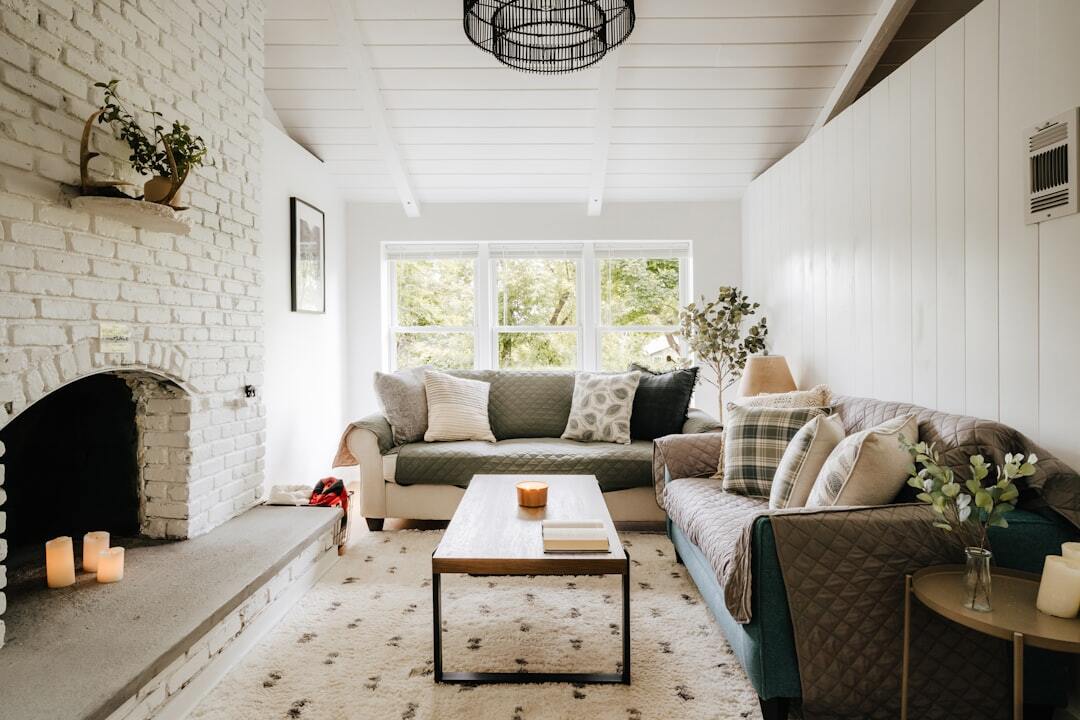
If the room still feels as though it needs something more substantial, focus on one change rather than lots of small purchases.
A new rug can alter the balance of the whole room and help define the seating area. Larger artwork can bring colour and personality to a plain wall, while an interesting floor lamp or occasional chair can become a focal point in its own right.
Existing architectural features can also be emphasised. Restyling a fireplace or mantelpiece, for example, can draw attention back to something that has gradually disappeared into the background.
Second-hand and vintage furniture can be particularly useful here. One distinctive side table, chair or cabinet often adds more character than several new accessories bought purely to fill space.
A Living Room Refresh Doesn’t Need to Mean Starting Again
The easiest living room updates often begin without spending anything at all. Decluttering, rearranging furniture, moving lamps and restyling shelves can show you what the room actually needs before you start shopping.
From there, a new cushion cover, rug, piece of artwork or plant may be all that is required to bring the space together.
Rather than trying to recreate an entirely new interior, focus on making your existing living room feel more comfortable, useful and personal. A few thoughtful changes can be enough to make a familiar room feel fresh again.