
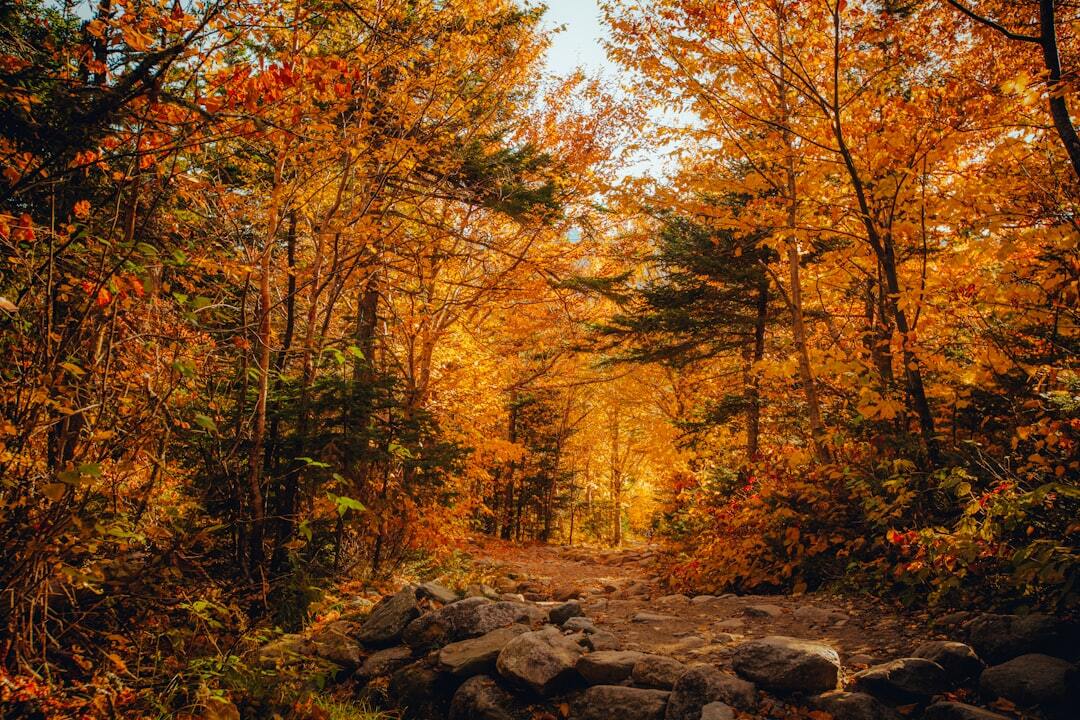
Kent’s best outdoor experiences go far beyond its best-known beaches and viewpoints. The county packs a surprising range of landscapes into a relatively small area, from chalk downland and ancient woodland to heath, wetlands, rivers and stretches of coast where nature has reclaimed land created by engineering.
That variety means an outdoor day in Kent can be as energetic or as relaxed as you want it to be. You might spend the morning climbing onto the North Downs, cycle through miles of forest, wait quietly for migrating birds beside the Swale or see the countryside from an entirely different perspective on the River Stour. These are places worth exploring slowly, with enough interest to fill several hours rather than simply providing somewhere to stop for a photograph.
Walk the Wye Downs and Devil’s Kneading Trough
The countryside above Wye delivers one of Kent’s finest combinations of walking and wide-open views. Leaving the village behind, routes climb onto the North Downs through farmland and chalk grassland before reaching the higher ground around the Wye Crown and Devil’s Kneading Trough. The steep-sided dry valley is one of the most distinctive natural features in this part of Kent, and from the surrounding slopes the landscape opens out across the patchwork of fields and villages below.
This is also a landscape worth looking at closely rather than simply walking through. Chalk grassland supports an impressive variety of wildflowers and insects, including orchids at the right time of year, while the open slopes feel very different from Kent’s enclosed woods and lanes. Circular routes make it possible to turn the area into a satisfying half-day walk without needing to organise transport at both ends. There are steep sections, though, so proper footwear is useful and muddy conditions can make the descents more demanding after rain.
Wye itself makes an excellent start and finish point, giving you somewhere to find lunch or a drink once you come back down from the hills. If you want a Kent walk that feels like a genuine escape rather than a circuit of a country park, this is one of the strongest choices.
Go Wildlife Spotting in West Blean and Thornden Woods
West Blean and Thornden Woods, close to Canterbury, offer something considerably more unusual than a conventional woodland stroll. They form part of the wider Blean landscape, an extensive area of ancient woodland where conservation work is allowing natural processes to play a much greater role in shaping the habitat. The result is a mixture of mature woodland, more open areas, regenerating scrub and wet ground that supports a rich range of wildlife.
The best-known residents are the European bison introduced as part of the Wilder Blean project, alongside other grazing animals used to influence the woodland naturally. This is not a safari park, however, and visitors should not arrive expecting a guaranteed bison sighting. The animals range across a substantial area and the experience is much more about walking through a changing, living landscape than ticking off a particular species. That uncertainty is part of what makes the woods interesting.
Waymarked routes allow you to explore without needing specialist navigation, and different seasons reveal completely different sides of the reserve. Spring brings woodland flowers, warmer months are rich in insects and birdlife, while autumn transforms the canopy. Dogs need to be controlled carefully where livestock are present, and sticking to the designated paths helps protect both wildlife and sensitive habitats.
Watch Birds and Big Skies at Oare Marshes
Oare Marshes, just outside Faversham, offers a completely different kind of outdoor day. Instead of hills or dense woodland, the attraction here is openness: grazing marsh, reedbeds, freshwater pools, saltmarsh and the huge skies above the Swale. Walking along the seawall gives you long views across the water towards the Isle of Sheppey, while hides and quieter sections of the reserve encourage you to slow down and watch what is happening around you.
The marshes are particularly important for wetland birds, with the mix of species changing throughout the year as breeding birds, winter visitors and migrants move through the area. You certainly do not need to be an experienced birdwatcher to enjoy it. A pair of binoculars can reveal much more, but simply walking the reserve and stopping occasionally to watch the pools and shoreline can make for a remarkably peaceful few hours.
This is somewhere that rewards repeat visits because no two seasons feel quite the same. Autumn migration, winter flocks and summer activity each create a different experience. Keep to permitted routes, give wildlife plenty of space and keep dogs under close control where required; the apparent emptiness of the landscape disguises just how important these marshes are for the species using them.
Explore the Coast at Samphire Hoe
Samphire Hoe has one of the most unusual origin stories of any nature reserve in Kent. Sitting at the foot of the White Cliffs between Dover and Folkestone, the land was created using material excavated during construction of the Channel Tunnel. What could easily have remained an industrial landscape has instead developed into a rich coastal habitat of grassland, wildflowers and open shoreline beneath towering chalk cliffs.
The setting alone makes it worth visiting. You can walk with the cliffs rising dramatically on one side and the English Channel stretching away on the other, watching for butterflies, birds and seasonal flowers as you go. A sea wall extends the experience beyond the grassland and gives the area a rawer coastal atmosphere, particularly when the weather is unsettled. Because the site is relatively compact, it also works well when you want an outdoor excursion without committing to an all-day hike.
One of Samphire Hoe’s strengths is its accessibility. There are level sections suitable for visitors who may find rough countryside paths difficult, meaning the dramatic scenery is available to a much wider range of people than many clifftop destinations. It is an excellent alternative to the better-known White Cliffs walks if you want to experience the same coastline from a very different angle.
Take to the Trails at Bedgebury Forest
Bedgebury is the place to choose when you want more activity than a straightforward country walk. The forest near Goudhurst has trails for walking, running and cycling, alongside the National Pinetum with its remarkable collection of trees. You can spend several hours strolling beneath the canopy and exploring the quieter paths, but the real appeal for more active visitors is the opportunity to get onto two wheels.
The gentler cycling routes work well for families and recreational riders, while dedicated mountain-bike trails introduce more technical terrain for anyone looking for a bigger challenge. Because the different activities occupy the same broad setting, Bedgebury is also useful for groups that do not all want to do the same thing. One person can take a longer ride while others walk through the pinetum or choose a shorter forest trail.
The experience changes significantly through the year. Summer provides long, shaded rides beneath the trees, autumn brings some of the best colour, and colder days can be wonderfully quiet. Conditions underfoot can become muddy after sustained rain, particularly away from the main surfaced trails, so clothing and footwear should match the weather rather than the season printed on the calendar.
Find a Quieter Woodland Escape at Toys Hill
In west Kent, Toys Hill offers a quieter alternative to some of the county’s busier outdoor destinations. Its elevated woodland sits above the surrounding Weald, with paths weaving between mature trees, viewpoints and traces of the area’s history. The site has a strong connection with National Trust co-founder Octavia Hill, who helped preserve the landscape, and there are several waymarked routes of differing lengths rather than one single walk everyone has to follow.
Look beyond the trees and there are interesting details hidden around the site, including remnants associated with the former Weardale Manor and structures now used by wildlife. The woodland supports species including bats and dormice, while the mixture of trees, clearings and old banks makes the landscape especially atmospheric in autumn. On a misty or overcast day it can feel far more remote than its location close to towns in west Kent would suggest.
Toys Hill suits people who enjoy wandering as much as reaching a destination. There is no enormous landmark waiting at the halfway point; the pleasure comes from woodland paths, glimpses across the countryside and discovering small fragments of history among the trees. That makes it a particularly good choice when you want a peaceful few hours outdoors without tackling a strenuous route.
Discover Kent’s Rare Heathland at Hothfield
Hothfield Heathlands, near Ashford, is valuable partly because it does not look like most of Kent. Open heath, acid grassland, woodland and wetter boggy areas create a landscape more readily associated with parts of Surrey or Dorset. The contrast becomes especially striking when the heather is in colour, but the reserve is worth exploring throughout the year for its open skies and distinctive mix of habitats.
Several marked trails make the reserve easy to explore, including a more accessible route around part of the site. Venture further and the surfaces become much more natural, with uneven and potentially wet ground depending on recent weather. That variation is part of the appeal: you can keep the visit relatively gentle or take a longer wander through the less manicured parts of the reserve.
The heathland supports specialised wildlife that relies on these increasingly uncommon habitats, so this is somewhere to explore carefully rather than treating open ground as somewhere you can roam indiscriminately. Stay on recognised paths where requested and keep disturbance to a minimum. If you are used to Kent’s orchards, chalk downs and broadleaf woods, Hothfield provides one of the county’s most interesting changes of scenery.
See Kent from the Water on the River Stour
Walking and cycling are not the only ways to explore Kent’s countryside. Around Fordwich and other stretches of the Great Stour, canoeing and kayaking offer a much slower view of the landscape from water level. Once you leave the road behind, wooded banks, reed-fringed sections and wildlife along the river make the countryside feel surprisingly removed from the towns and villages only a short distance away.
Guided paddling experiences are a sensible option if you do not own equipment or have limited experience on rivers. They remove the complications of arranging boats, launch points and collection while also giving you local knowledge about the waterway and its wildlife. Depending on the provider and season, experiences may range from relaxed daytime paddles to evening wildlife trips, while operators elsewhere in the county also run coastal kayaking for people looking for something more adventurous.
Conditions, access and organised sessions can change, so check current information before travelling rather than assuming you can launch anywhere that looks convenient. Anyone new to paddling should also choose an experience appropriate to their ability. Done properly, it is one of the best ways to see a side of Kent that remains completely hidden from the road.
Which Kent Outdoor Adventure Should You Choose?
The right destination depends on what you actually want from the day. For a substantial scenic walk, the climb onto Wye Downs delivers some of the best views. West Blean offers ancient woodland and an unusual rewilding story, while Oare Marshes is better when you want wildlife, open landscapes and time to slow down. Samphire Hoe combines dramatic cliffs with relatively accessible coastal exploration, and Bedgebury is the obvious choice when cycling or a more active forest day sounds more appealing than walking alone.
For something quieter, Toys Hill gives you atmospheric woodland and hidden history in west Kent, while Hothfield reveals a rare heathland landscape that feels unlike much of the rest of the county. If you have spent years exploring Kent entirely on foot, paddling the Stour changes your perspective completely.
Season matters too. Migrating birds can transform Oare Marshes, autumn colour changes the character of Toys Hill and the Blean, while warmer months bring wildflowers and butterflies to Kent’s chalk grassland and coast. Rather than returning automatically to the county’s most famous viewpoints, choose a landscape you have not explored before. Some of Kent’s best outdoor adventures are hiding surprisingly close to home.