
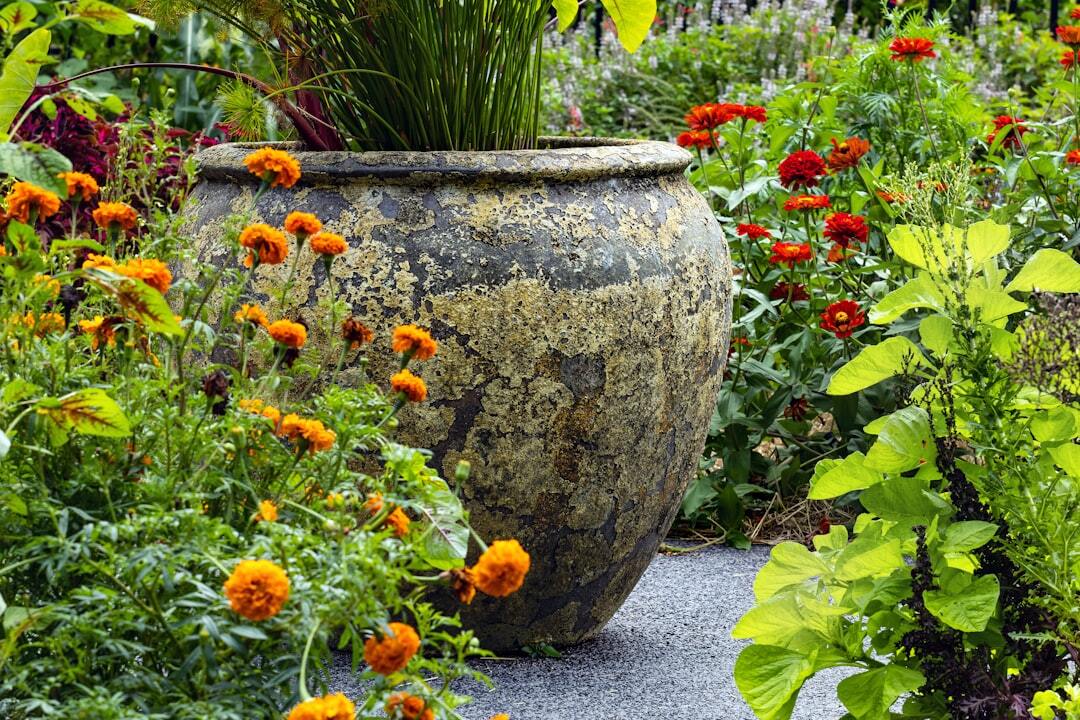
A garden buzzing with bees and visited regularly by butterflies does not need to be large, wild or filled entirely with native plants. What matters most is providing the things pollinating insects actually need: flowers across a long season, suitable food plants for caterpillars, places to nest and shelter, water and areas that are not managed too intensively.
Even a small garden, patio or collection of containers can make a difference. Rather than relying on one supposedly “bee-friendly” plant, aim to create several layers of habitat that remain useful from early spring into autumn and provide somewhere for insects to survive when the flowers have finished.
Plant for Flowers from Early Spring to Late Autumn
One of the most useful things you can do is make sure something is flowering for as much of the year as possible. A border that looks spectacular for three weeks in June may provide plenty of nectar during that short period, but a succession of flowers gives bees and butterflies a much more reliable food supply.
Early-flowering crocuses, primroses, pulmonaria and flowering currant can provide valuable spring colour. As the season progresses, alliums, foxgloves, hardy geraniums, catmint and thyme take over. Summer opens up an even wider choice, including lavender, marjoram, scabious, echinacea, salvias and Verbena bonariensis. Towards autumn, sedums, Michaelmas daisies, late salvias and ivy help extend the season when many other plants have stopped flowering.
You do not need every plant on the list. A better approach is to look at your existing garden and identify the periods when very little is in flower, then gradually fill those gaps.
Choose Flowers Pollinators Can Actually Reach
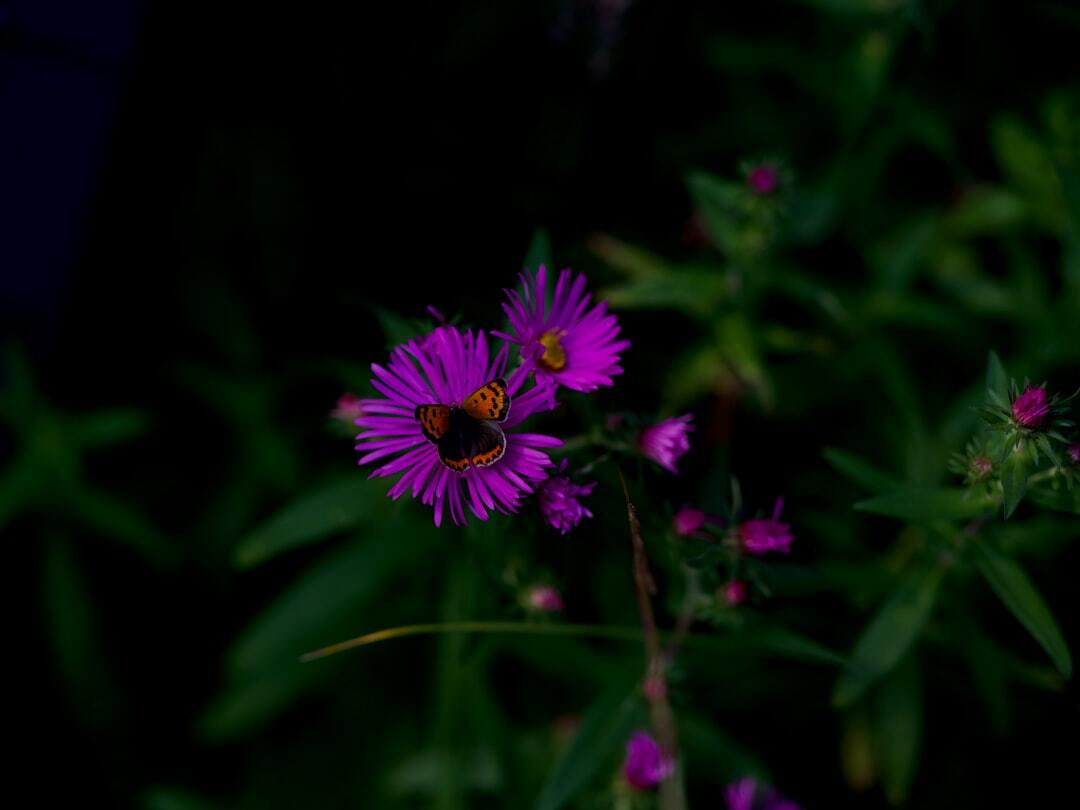
Flowers bred primarily for appearance are not always equally useful to insects. Highly complicated double blooms can sometimes make nectar and pollen difficult to reach, while simpler open flowers tend to provide easier access. That does not mean every double flower has to disappear from the garden, but it is worth balancing ornamental favourites with plenty of accessible blooms.
Different shapes also attract different visitors. Flat flower heads give butterflies a convenient place to land, daisy-like flowers offer easily accessible centres, while tubular flowers suit insects capable of reaching nectar deeper inside. Small clustered flowers can provide dozens of individual feeding opportunities on a single plant.
A mixture of shapes is therefore more valuable than filling every border with the same type of flower. It also produces a more interesting garden from a design perspective.
Plant in Groups Rather Than Scattering Everything
Repeating plants in small groups can make useful flowers easier for pollinators to find. Instead of placing one lavender at one end of a border, a solitary scabious somewhere else and a single salvia by the fence, try creating small drifts or repeated clusters where space allows.
This does not mean planting huge blocks of a single species. Three or five plants grouped together can provide a noticeable patch of colour while still allowing plenty of diversity elsewhere. The same principle works in small spaces: several pots of complementary flowering plants grouped on a patio can form a much more obvious feeding station than one isolated container.
Don’t Forget Caterpillar Food Plants
Planting nectar-rich flowers is excellent for adult butterflies, but it only supports one part of their life cycle. Butterflies also need the right plants on which to lay their eggs, and the caterpillars that emerge may eat completely different plants from those the adults visit for nectar.
Nettles are among the best-known examples, supporting caterpillars of butterflies including the Small Tortoiseshell, Red Admiral and Comma. Holly and ivy can be used by Holly Blue caterpillars, while buckthorn and alder buckthorn are important food plants for Brimstones. Garlic mustard and cuckooflower are associated with Orange-tip and Green-veined White caterpillars, while bird’s-foot trefoil supports species including the Common Blue.
Long grasses matter too. Several butterflies depend on grasses during their caterpillar stage, which is one reason a permanently close-cut lawn offers relatively little habitat.
You do not need to surrender the whole garden to nettles. A controlled patch behind a shed, towards the back of a sunny border or in another less formal area can provide valuable habitat without becoming the dominant feature.
Leave Part of the Lawn Longer
A lawn does not have to become a full wildflower meadow to become more useful to wildlife. Simply changing how one section is managed can allow clover, dandelions and other flowering plants to appear while creating shelter among longer grass.
You could leave one area unmown for longer periods, raise the mower height, mow paths through taller grass or reduce how frequently selected sections are cut. This gives grasses and flowering lawn plants a chance to develop while retaining deliberately maintained areas for sitting, playing or walking.
For many gardens, that mixture works better than either extreme. You still have a usable lawn, but some of it is allowed to function as habitat rather than being kept permanently short.
Create Sunny, Sheltered Places
Butterflies rely on warmth from the sun and are often easiest to spot feeding or basking in sheltered areas. Nectar-rich planting therefore tends to work particularly well in sunny positions protected from strong wind.
Hedges, shrubs, fences covered with climbers and mixed borders can all create shelter. A sunny planting area in front of a hedge, for example, can provide both food and protection from the breeze. Stones, walls and other warm surfaces may also give butterflies somewhere to rest and absorb heat.
That does not mean every useful plant needs full sun. Shadier edges and shrubs can support other insects and provide valuable cover, so aim for a mixture of conditions rather than turning the entire garden into one exposed flower bed.
Give Bees Somewhere to Nest
When people think about bees, the image is often a honeybee hive, but the UK has hundreds of bee species and many are solitary rather than living in large colonies. They also nest in very different places.
Some solitary bees excavate nests in the ground, so a small sunny area of bare soil can be surprisingly valuable. Others use hollow plant stems, holes in timber or existing cavities. Leaving some old stems standing and retaining small amounts of dead wood can therefore provide more than just winter structure in the garden.
Bee hotels can be useful for certain cavity-nesting species, but they should not simply be hung up and forgotten. Position them somewhere reasonably sheltered and dry, and inspect them periodically rather than allowing old nesting material to become damp and deteriorate indefinitely.
There is also no need to install a honeybee hive simply to make a garden more pollinator-friendly. Providing diverse habitat for the wild bees already living locally is often far more achievable for an ordinary household garden.
Add a Safe Source of Water
Water is easy to overlook when planning for insects. Deep containers with smooth sides are not ideal because small insects can struggle to climb out, so provide somewhere shallow with easy landing points.
A simple saucer containing water and several stones or pebbles rising above the surface works well in a small garden. If you have a wildlife pond, gently sloping edges, stones and marginal planting make it easier for insects and other wildlife to approach safely.
Refresh small containers regularly, particularly in warm weather. A shallow water source takes almost no space but adds another useful feature to the garden.
Stop Trying to Keep Every Corner Perfectly Tidy
Wildlife often benefits from exactly the things gardeners have traditionally been encouraged to clear away. Hollow stems, fallen leaves, long grass, dead wood and undisturbed corners can all provide shelter or overwintering habitat.
Rather than cutting every perennial to ground level in autumn, leave selected stems standing through winter and tidy them later. Allow some leaves to remain beneath shrubs or in the back of borders, and retain pieces of dead wood where they can safely decompose. An untouched patch behind planting can be valuable without making the visible parts of the garden look neglected.
The aim is selective untidiness rather than abandoning maintenance. A well-designed garden can still have neat paths, clipped areas and carefully planned borders while leaving small pockets where insects are largely undisturbed.
Avoid Pesticides Where Possible
If the objective is to attract insects, routinely using products designed to kill them is clearly counterproductive. Where possible, tolerate a small amount of plant damage and try non-chemical methods before reaching for pesticides.
Pests can sometimes be removed by hand, susceptible vegetables protected with physical barriers, and healthy plants encouraged by giving them the growing conditions they need. Predatory insects, birds and other wildlife may also help keep some pest populations under control once the garden supports a wider ecosystem.
Avoid homemade sprays simply because they are labelled “natural”, too. A substance capable of killing one insect may affect others regardless of whether it came from a kitchen cupboard.
Most importantly, if you want butterflies to breed, expect some chewed leaves. A caterpillar eating its food plant is not necessarily a gardening problem; it may be evidence that the habitat you created is working.
Let Herbs, Fruit and Vegetables Flower Too
A pollinator-friendly garden does not have to be entirely ornamental. Many common herbs become excellent nectar sources when allowed to flower. Thyme, oregano or marjoram, chives, mint, rosemary and similar plants can attract large numbers of insects while remaining useful in the kitchen.
Fruit plants also contribute. Apple, pear and cherry blossom provide valuable flowers, while raspberries, currants and blackberries can attract pollinating insects before producing fruit later in the season. Beans, peas, courgettes and many other food crops benefit from insect activity too.
Allowing a few herbs to flower rather than constantly cutting them back is one of the easiest changes you can make. It demonstrates that wildlife gardening and productive gardening do not need to occupy separate parts of the garden.
You Can Help Even with a Small Garden or Balcony
Garden size matters far less than the quality of what you provide. A sunny patio containing lavender, thyme, marjoram, salvia, scabious and compact sedums can offer useful feeding opportunities, particularly if several containers flower at different times.
Group pots together, avoid treating them with insecticides and add a shallow water dish nearby. Climbers can make use of walls or trellises where floor space is limited, while window boxes can hold herbs and compact flowering plants. Even a doorstep with several well-chosen pots can contribute something.
The same principles apply on a smaller scale: provide flowers over a long period, offer several shapes and species rather than one plant, and resist the temptation to manage every container so intensely that nothing is ever allowed to flower fully.
A Simple Pollinator-Friendly Garden Plan
You do not need to redesign the whole garden in one weekend. A simple plan can gradually introduce the features bees and butterflies need:
- An early-flowering area: crocuses, primroses or another source of early nectar.
- A sunny flowering border: lavender, catmint, scabious, salvia, verbena and late-flowering sedums.
- A small wild patch: longer grass, nettles or suitable wildflowers.
- A shrub or climber: ivy, holly, honeysuckle or another useful flowering plant.
- A nesting area: bare soil, hollow stems, dead wood or a properly maintained bee hotel.
- A source of water: a shallow dish with stones or a wildlife pond with safe edges.
- Fewer pesticides: accept some plant damage and use non-chemical controls where practical.
Adding two or three of these elements this year and building on them over time will create far more value than buying one plant labelled “pollinator friendly” and expecting it to transform the garden.
The most successful gardens provide something for wildlife at several stages of its life: flowers to feed from, plants on which to breed, somewhere to shelter and enough undisturbed habitat to survive the colder months. Get those basics right and the bees and butterflies are much more likely to find the garden for themselves.