
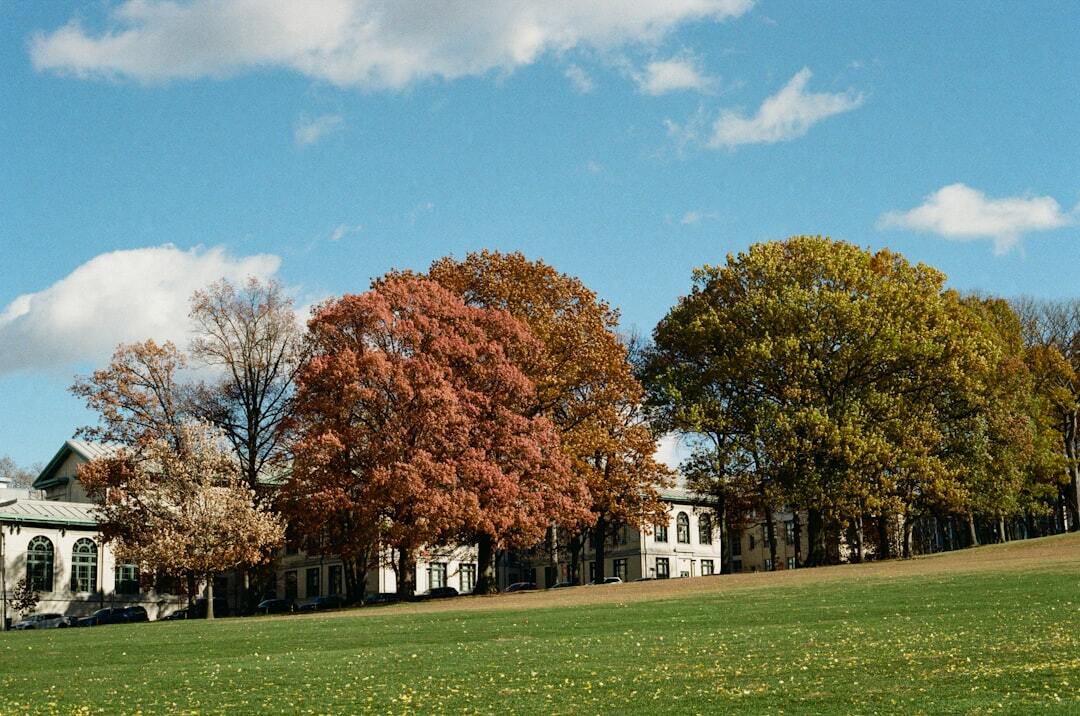
Autumn turns many of Britain’s most cherished historic houses into remarkable destinations for days out, as centuries-old estates burst into rich colour and carpets of fallen leaves. For families, couples and anyone seeking beauty and history, these houses and their gardens promise the perfect setting for seasonal ambling among magnificent trees, formal borders and far-reaching parkland.
Here’s how to make the most of this vibrant season, enjoying dramatic landscapes, learning the stories behind each estate and uncovering hidden layers of heritage, all while surrounded by some of autumn’s finest displays.
Why Autumn Shines at Historic Houses and Estates
Historic houses are transformed in autumn, when summer’s lushness gives way to crisp air, russet and golden tones and atmospheric gardens. Across the UK, many houses were designed not only as grand homes but as showcases for landscape artistry, with mature trees, specimen collections and managed woodlands that come to life from late September onwards. This is the season when garden design is revealed: low sun catches acers, beeches and chestnuts, while tree-lined avenues glow with colour and lawns are strewn with conkers and leaves. Many estate walks are refreshed with new perennials and late-flowering borders, offering tranquil views and crisp paths perfect for reflection and exploration. For those interested in history, autumn also means fewer crowds, so architectural details, from centuries-old brickwork to follies and walled gardens, can be appreciated at a gentler pace.
Exploring Noteworthy Historic Houses and Gardens
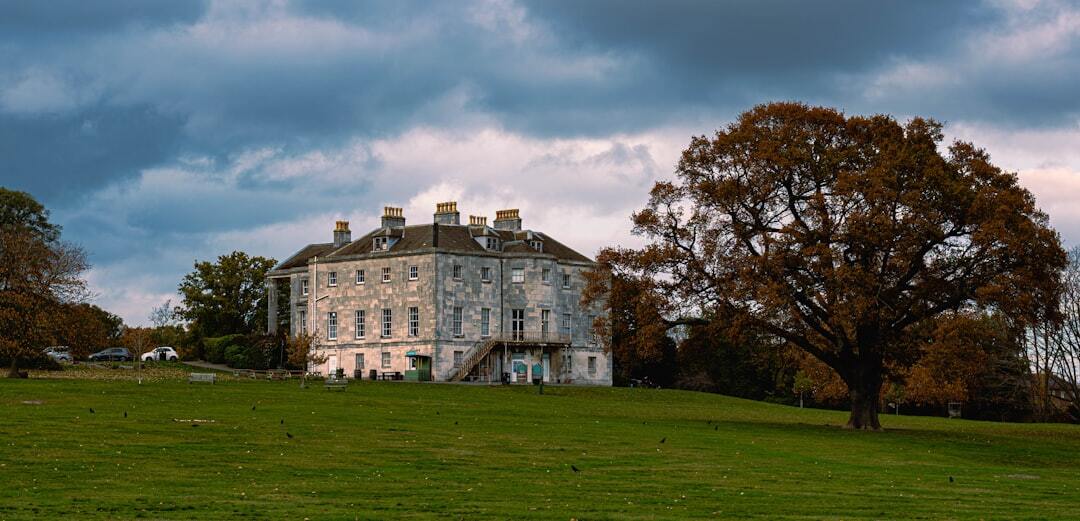
Some of Britain’s most celebrated historic houses have welcomed visitors for generations, offering opportunities to combine heritage exploration with seasonal woodland strolls and formal garden discovery. Estates such as Muncaster Castle captivate with hilltop walks and panoramic Cumbrian views, while Lowther Castle’s gardens balance ruined grandeur with restored planting and sculpture trails. Sizergh Castle is known for its ancient woodland and lake, remarkable for fiery autumn reflections. Blackwell, an exemplar of Arts and Crafts design, is set in hillside gardens revealing views over valleys and lakes, with vines and climbing shrubs peaking in autumn. These houses connect visitors to stories stretching back centuries, telling of families, creativity and resilience. Many feature rare tree collections, heritage orchards and themed walks that bring the autumn experience to life for all age groups.
Unwrapping Autumn’s Heritage: Stories in the Landscape
Each historic estate holds a rich tapestry of history etched into its landscape. Farmsteads such as those at Sizergh reveal the changing nature of rural life; in one area, evidence shows people lived here between 1686 and 1771, though by the nineteenth century the site had fallen into ruin. Meanwhile, the stones of ruined abbeys and the solitary presence of ancient crosses, like the notable Viking cross at Gosforth, offer unique insight into how land, faith and architecture evolved alongside the seasons. Many walking routes through historic grounds pass the remnants of monasteries and outbuildings, with fragments dating to early medieval times. The woodland and parkland are not just visually arresting in autumn but also help illuminate the rhythms of estate life over the centuries, from harvest festivals to hunting parties and the gentle cycles of planting and harvesting that shaped the landscape.
Visitor Tips for An Exceptional Autumn Experience
Prepare for changeable weather when planning autumn outings: layered clothing and sturdy footwear are essential, especially on woodland paths that can become slippery with fallen leaves or early morning dew. Take advantage of house opening times in shoulder season, as many offer guided tours highlighting not only the historic interiors but the autumnal features of the gardens and grounds. Families may find special seasonal events or children’s trails, while garden lovers can seek out rare late-flowering species and fruiting trees in heritage orchards. Photographers should visit early or at golden hour to capture the light filtering through colourful canopies. Finally, always check access arrangements, as large estates vary in terms of wheelchair and pushchair suitability, and some select areas, like lakes or woodland sculpture walks, may only be open at weekends during autumn.
Autumnal Walking Trails and Seasonal Highlights
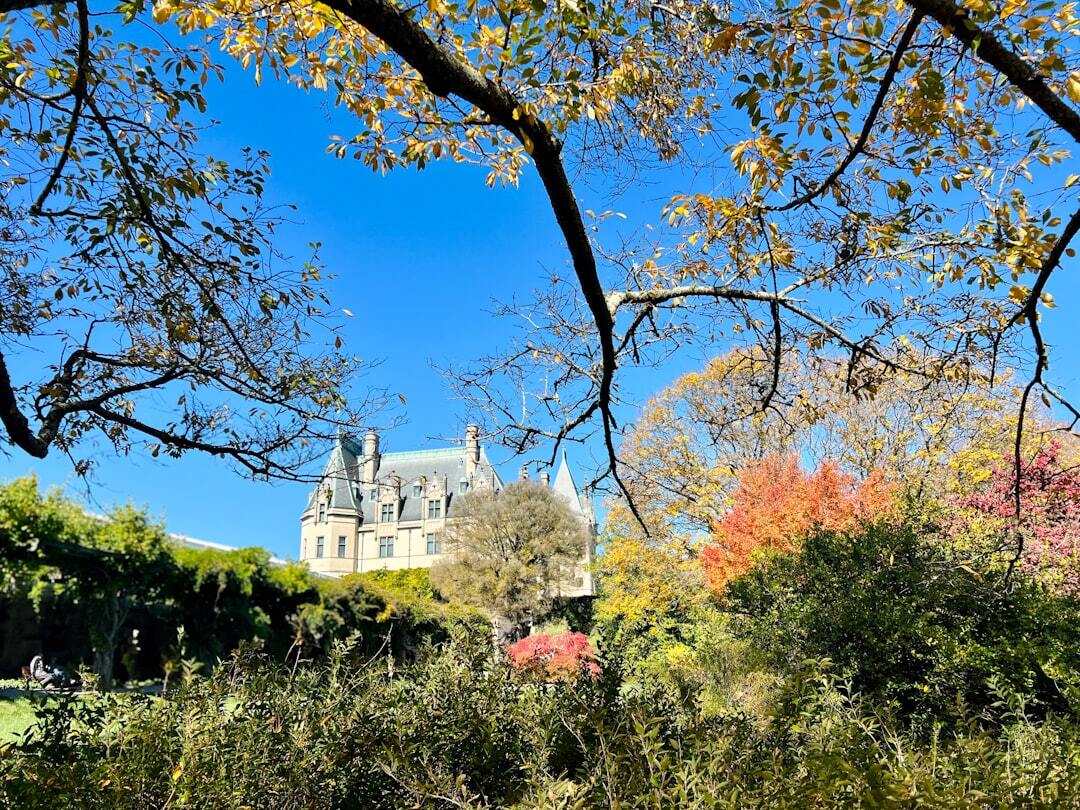
Most historic houses lay out marked walking routes, ranging from gentle garden strolls to longer parkland circuits that showcase the full breadth of autumn colour. At Muncaster Castle, hill climbs are rewarded by views across the Ravenglass estuary, while Lowther Castle offers woodland loops with wide open vistas over its partly ruined fortifications. Sizergh’s estate walk takes in varied habitats, from ancient orchards to wetlands, while Blackwell’s grounds offer a more intimate amble among formal lawns, herbaceous borders and climbing plants in riotous late-season display. Keep an eye out for spectral mists on calm mornings and for wildlife such as red squirrels and late-blooming pollinators making the most of autumn’s gentle warmth. Many trails are equipped with interpretative panels, enriching each walk with stories of past estate life.
Understanding the Value of Heritage and Nature Together
The chance to experience heritage and seasonal spectacle side by side is what sets historic house visits apart in autumn. The gardening traditions that shaped these estates, from Capability Brown’s landscape revolution to Victorian ingenuity and Arts and Crafts experimentation, are designed to create emotion and drama. Autumn is the time when contrasts between clipped lawns, tumbling foliage, and historic stonework are at their most vivid. Beyond the visual spectacle, these estates play a vital role in conserving rare plant species and traditional skills and are often at the heart of local efforts to safeguard biodiversity. By supporting historic houses in this season, visitors help secure the future care of ancient trees, wild habitats and storytelling for years to come.