
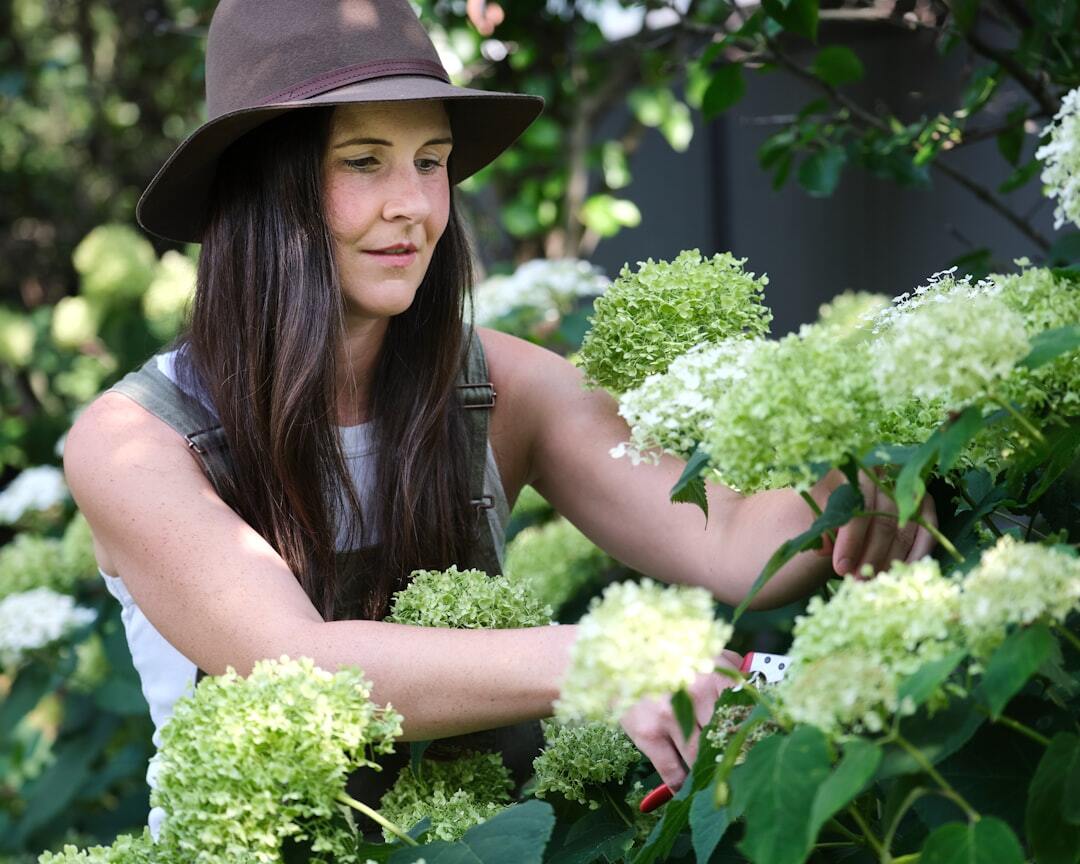
Late summer is one of the most useful times of year to get ahead in the garden. Borders may still be colourful, vegetables are often producing well and warm days can continue for weeks, but shorter evenings and cooler nights are a reminder that autumn is approaching.
The aim is not to start clearing everything away. Instead, this is the time to keep summer displays going while gradually preparing beds, lawns and containers for the months ahead. Conditions can vary considerably from one year to the next, so use the weather as your guide as well as the calendar.
Keep Summer Flowers Going with Regular Deadheading
Many summer-flowering plants can continue producing colour well into early autumn if they are regularly deadheaded. Removing faded flowers from suitable bedding plants, roses and perennials prevents the plant from putting unnecessary energy into seed production and can encourage further blooms.
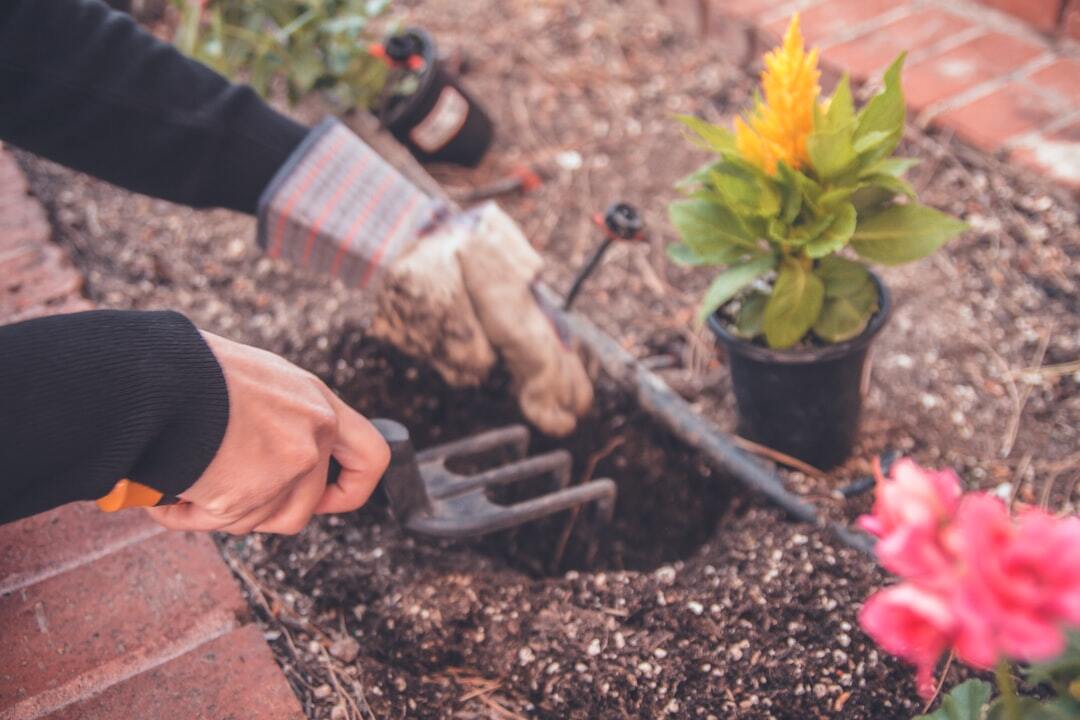
Keep an eye on containers and hanging baskets too. They can still look impressive for several weeks, so there is no need to dismantle them simply because September is approaching.
That does not mean every fading flower needs to be removed. Attractive seed heads can provide structure through autumn and winter, while others provide food and shelter for wildlife. If you want to collect seed from favourite plants, leave a few healthy flower heads to mature naturally.
Water Carefully as Conditions Begin to Change
Late summer watering should be based on conditions rather than routine. After prolonged dry weather, pots, newly planted shrubs and recently established perennials may still need regular attention, while established borders may require much less once rainfall increases.
Check the soil before reaching for the hose. If watering is necessary, a thorough soak is usually more useful than frequent light sprinkling because it encourages moisture to reach deeper into the root zone.
Containers will generally dry out faster than beds and borders, particularly those positioned in full sun. Prioritise these along with anything recently planted.
As temperatures fall and rainfall becomes more frequent, gradually reduce unnecessary watering. Collected rainwater is a useful option where available, particularly for containers and greenhouse plants.
Tidy Borders Without Clearing Everything Away
Late summer is a good time to bring some order back to borders, but resist the temptation to cut everything down.
Remove damaged, diseased or completely collapsed growth and deal with weeds before they have the opportunity to spread seed. Plants that have become untidy can also be trimmed where appropriate, particularly if they are smothering neighbouring plants or falling across paths.
However, many stems and seed heads are worth leaving in place. They can add shape and interest once flowers have faded and provide shelter or food for insects and birds later in the year.
A selective tidy generally creates a healthier and more attractive border than stripping everything back to bare soil at the first sign of autumn.
Divide Overcrowded Perennials
Late summer into early autumn can be a useful time to divide suitable established perennials once they have finished flowering.
Over time, some plants form increasingly large clumps that become congested and flower less effectively. Dividing them rejuvenates the plant while also providing extra plants for other parts of the garden.
Lift healthy clumps carefully and separate them into smaller sections, making sure each division retains roots and healthy growth. Replant promptly and water thoroughly to help the roots settle back into the soil.
Timing matters. Avoid dividing plants during very hot or exceptionally dry weather, when they will be under greater stress, and remember that not every perennial is best divided at this point in the year. Check the requirements of individual plants before lifting them.
Collect Seeds for Next Year’s Garden
Allowing a few flowers to go to seed can save money and provide plants for next year.
Wait until seed heads are mature and dry, then collect them on a dry day from healthy plants. Keep different varieties separate and label everything clearly before storing seeds somewhere cool and dry.
Hardy annuals and many flowering perennials can be good candidates for seed collecting, particularly plants that have performed well in your own garden conditions.
There is no need to harvest every seed head. Leaving some standing provides a natural food source for birds and helps maintain interest in borders as the garden moves into autumn.
Give Your Lawn Some Late-Summer Attention
Lawns can show the effects of summer by the time August and September arrive. Dry weather, heavy use and compacted soil can leave grass looking thin or tired, making late summer and early autumn an excellent time to assess what actually needs attention.
Continue mowing while the grass is actively growing, but avoid cutting it excessively short. As growth slows, mowing will naturally become less frequent.
Once cooler and damper conditions arrive, worn lawns can benefit from raking or scarifying to remove accumulated thatch and dead material. Compacted areas can also be aerated to improve the movement of air and water through the soil.
Bare patches can be repaired or reseeded when conditions are suitable. If feeding is required, use a lawn treatment formulated for autumn rather than one designed to encourage lots of soft summer growth.
There is little benefit in carrying out intensive lawn renovation while the soil remains extremely dry. Waiting for more favourable conditions usually gives grass a better chance of recovering.
Prepare Beds and Soil for Autumn Planting
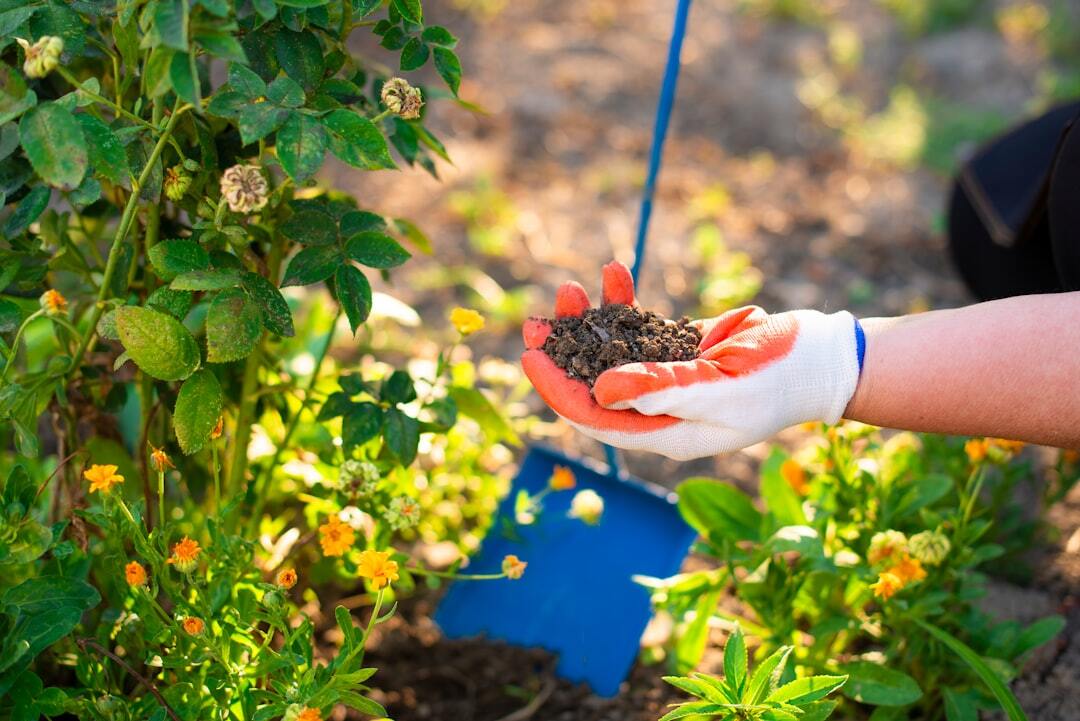
As summer plants finish, empty areas can gradually be prepared for autumn planting.
Start by removing persistent weeds and any finished annuals or crops that are no longer productive. Healthy plant material can usually be composted, while anything showing signs of disease should be dealt with separately.
Adding garden compost or other suitable organic matter can help improve soil structure and replenish beds after a busy growing season. There is no need to cultivate soil aggressively, particularly if it is still very dry.
Autumn can be an excellent planting period because the soil often remains relatively warm even as the air temperature drops. Once rainfall becomes more reliable, newly planted trees, shrubs and perennials can establish roots before winter and be better prepared for the following summer.
Start Planting Spring-Flowering Bulbs
One of the most satisfying late-summer and early-autumn jobs is planning ahead for spring.
Daffodils, crocuses and many other spring-flowering bulbs can begin going into borders and containers as autumn approaches. Planting in groups or informal drifts generally creates more impact than scattering individual bulbs around the garden.
Choose positions with suitable drainage and think about where early colour will be most noticeable, such as beside paths, beneath deciduous shrubs or in containers close to the house.
Not every bulb needs to be planted at the same time. Tulips are generally better planted later in autumn, often around November, so there is no need to rush the entire job in September.
If space is limited, layered containers can provide an impressive succession of spring flowers without requiring a large border.
Harvest Crops and Clear Finished Vegetable Beds
The vegetable garden can remain highly productive through late summer, so continue harvesting crops while they are at their best.
Beans, courgettes, tomatoes and other summer crops often keep producing into early autumn, while potatoes and other vegetables can be lifted as they become ready.
Remove plants once they have genuinely finished rather than clearing an entire bed because the season is changing. Healthy material can be added to the compost heap, but avoid composting plants affected by serious disease.
Empty areas can then be cleared of weeds and prepared for autumn planting, overwintering crops or a covering crop where appropriate.
Fast-growing salad leaves and other suitable crops can also extend the productive season, especially in sheltered gardens or under cover.
Clean the Greenhouse and Cold Frames
As summer greenhouse crops come to an end, use the opportunity to give the space a gradual clear-out.
Remove finished plants, fallen leaves and old growing material, then inspect staging, pots and trays for signs of pests or disease. Cleaning the glazing where necessary allows as much autumn and winter light into the structure as possible.
This is also a useful time to wash reusable pots and seed trays rather than leaving the job until spring.
Creating some spare greenhouse space now will make life easier when tender plants need moving under cover later in the season.
Get Ready for Falling Leaves
Leaves will soon begin falling in greater numbers, but they do not have to become garden waste.
Collected deciduous leaves can be used to make leaf mould, which eventually creates a useful soil conditioner and mulch. A simple mesh container or dedicated leaf bag is enough to get started.
Leaves do need clearing from some areas. Wet foliage can make paths, patios and steps slippery, while large quantities should be removed from lawns rather than allowed to smother the grass.
If you have a pond beneath deciduous trees, fitting netting before the heaviest leaf fall can prevent large amounts of debris entering the water.
Elsewhere, a scattering of leaves beneath hedges and in informal borders can provide useful habitat for wildlife, so there is no need to make the entire garden spotless.
Prepare Tender Plants for Cooler Nights
Late summer is also the time to identify plants that will need protection once temperatures begin to fall.
Check tender container plants and decide where they will eventually be moved. Some may need a greenhouse, conservatory or other sheltered position, while others can simply be moved closer to the house or away from exposed areas.
Make sure containers drain freely before wetter autumn weather arrives, as sitting in waterlogged compost can cause just as many problems as cold temperatures.
Keep horticultural fleece or other suitable protection available if you grow frost-sensitive plants, but avoid wrapping everything prematurely. Frost timing varies considerably around the UK, so local forecasts are more useful than relying on a fixed date.
Make the Most of the Garden as Summer Fades
Preparing for autumn does not mean putting the garden to bed while there is still plenty to enjoy.
Continue deadheading, harvesting and enjoying plants that are still performing, while gradually tackling jobs such as lawn repairs, soil improvement, bulb planting and greenhouse cleaning as conditions allow.
Spreading these tasks across several weeks makes them far more manageable and avoids the need for one huge autumn clear-up.
A little thoughtful preparation now can keep the garden looking good for longer, improve conditions through autumn and give plants a stronger start when growth begins again next spring.