
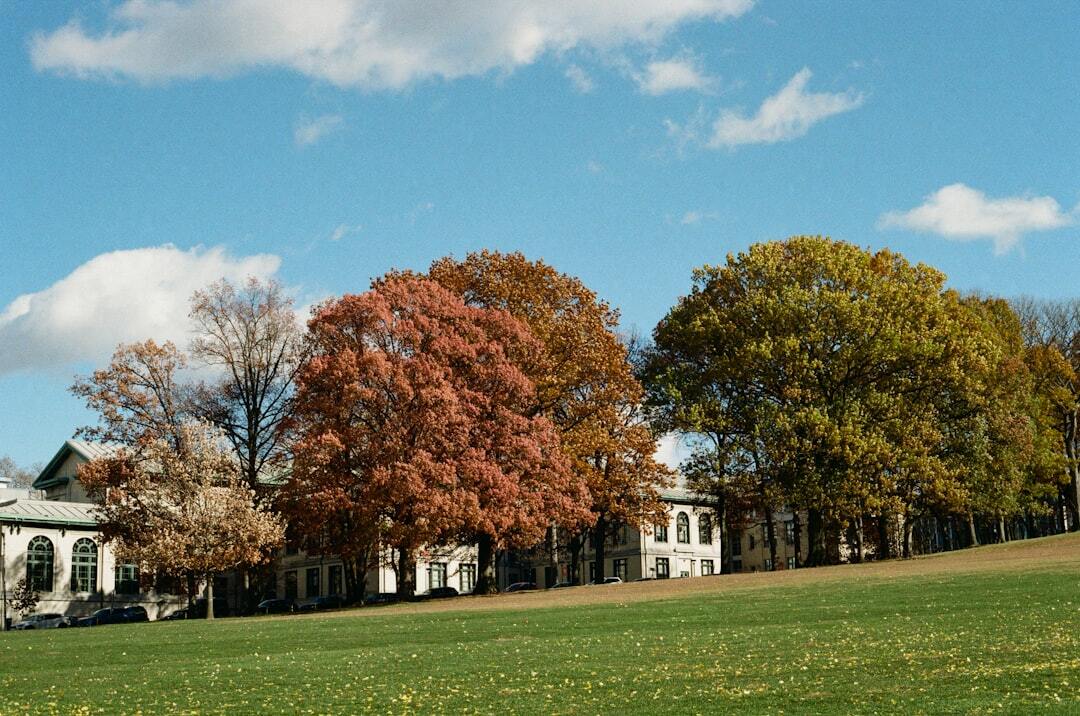
Autumn is one of the best times to explore Kent’s historic houses. Across the county, centuries-old castles, manor houses and country estates are framed by turning woodland, mature parkland and gardens shifting from the last colour of summer into deep reds, copper, gold and russet.
The appeal goes beyond finding somewhere attractive for an autumn walk. Many of Kent’s great estates were deliberately shaped around their landscapes, with avenues of veteran trees, orchards, lakes, formal gardens and woodland designed to complement the house at their centre. When the seasons change, those relationships become particularly striking.
From Anne Boleyn’s childhood home at Hever Castle to the ancient deer park at Knole and the romantic moat at Scotney Castle, these historic houses in Kent combine heritage with some of the county’s most rewarding autumn scenery. Some are suited to long walks through open parkland; others invite a slower wander through carefully designed garden rooms, orchards and wooded paths.
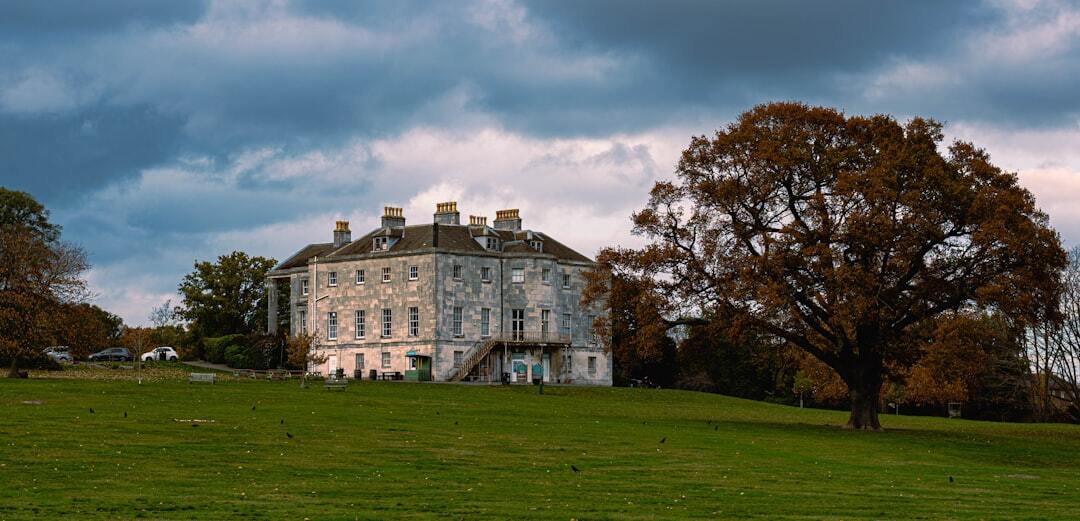
West Kent: Historic Estates Made for Autumn Wandering
West Kent contains an extraordinary concentration of historic houses and estates, particularly around Sevenoaks, Westerham, Edenbridge and Tonbridge. It is also an excellent part of the county for autumn walking, where formal gardens frequently give way to woodland, orchards and rolling views across the Weald.
Hever Castle – Lakeside Walks, Japanese Maples and Fiery Autumn Colour
Few historic houses in Kent look more suited to autumn than Hever Castle. The double-moated castle dates back more than 600 years and is best known as the childhood home of Anne Boleyn, but the surrounding 125 acres of gardens and grounds give visitors plenty of reasons to spend much of a crisp autumn day outdoors.
One of the unmistakable signs of the season is the Boston ivy covering the castle frontage, which changes to an intense red as autumn develops. Beyond the castle itself, beech trees, liquidambars, tulip trees and Japanese maples produce layers of yellow, orange, crimson and burgundy throughout the grounds.
The combination of water and mature planting makes Hever particularly photogenic at this time of year. Reflections around the lake and moat change with the light, while quieter garden paths reveal colour on a much more intimate scale. Rather than experiencing autumn in a single woodland, visitors can move between formal gardens, water, parkland and tree-lined routes within the same estate.
Hever also makes autumn a distinct part of its visitor calendar. Its 2026 Autumn Colour season runs from late September into the beginning of November, with the estate highlighting changing foliage and seasonal points of interest around the gardens. For anyone specifically looking for autumn colours in Kent rather than simply visiting a historic attraction that happens to have grounds, it is one of the county’s strongest choices.
Chartwell – Orchards, Woodland and Autumn Views Across the Weald
Near Westerham, Chartwell offers a very different landscape. The former family home of Sir Winston Churchill sits high above the Kent countryside, with gardens, lakes and woodland dropping away towards far-reaching views across the Weald.
Autumn draws attention to parts of Chartwell that can sometimes be overshadowed by its famous house. Apples hang from trees in the traditional orchard, dahlias and other late flowers can continue into the early part of the season, while mature trees gradually change around the lakes and wider estate. The orchard remains particularly closely connected to the history of the property, with a mixture of culinary and dessert apples including varieties that would also have been grown while the Churchill family lived there.
Beyond the more formal gardens is a considerably larger landscape of farmland and woodland. Walking routes around the estate take visitors away from the busiest areas surrounding the house and out towards panoramic views of the Kent countryside. This combination makes Chartwell a good choice for visitors who want to explore the historic interiors but still devote a substantial part of their day to being outside.
Autumn also suits the atmosphere of the place. The lakes, orchard, brick house and wooded hillsides feel noticeably different under lower seasonal light, revealing a softer side to an estate so strongly associated with its most famous owner.
Knole – Ancient Trees and Autumn Deer in a 1,000-Acre Park
At Knole in Sevenoaks, the scale changes dramatically. The historic house sits within a 1,000-acre medieval deer park containing open grassland, valleys, woodland and remarkable veteran trees, making it one of Kent’s most distinctive landscapes at any time of year.
Autumn is particularly atmospheric. Tree-lined avenues change colour, fallen leaves gather beneath huge specimens and the wider park feels a world away from the streets of Sevenoaks just beyond its boundary. Some of Knole’s oldest trees date back to the early 18th century, with veterans found along routes including Chestnut Walk, Broad Walk and Duchess Walk.
The estate has been associated with deer for more than 500 years. Its park was established in 1456 and fallow deer continue to roam freely today. Autumn also coincides with the deer rut, when bucks compete for females. It can be an impressive natural spectacle, but visitors should watch from a generous distance and never approach, touch or feed the animals. Dogs need particularly careful management around the herd.
For walkers, Knole offers something different from a conventional garden visit. There is less emphasis on moving from border to border and much more on the scale of the landscape itself: old trees, open skies, long avenues and glimpses of the house appearing through the park.
Ightham Mote – A Medieval Manor Surrounded by Woodland Colour
Hidden in a wooded valley near Sevenoaks, Ightham Mote has an intimacy that contrasts beautifully with the vast parkland at Knole. The medieval manor is surrounded by water, gardens and woodland, giving the entire property a secluded quality that becomes even more pronounced in autumn.
Water shapes much of the landscape. A stream flows through the garden, supplying lakes, cascades and the moat surrounding the house. As trees begin to turn, those surfaces reflect the changing foliage and historic stonework, creating some of the most atmospheric views on the estate.
Closer to the house are formal lawns, borders and enclosed spaces, while paths gradually lead towards less structured planting and woodland. The transition is part of Ightham Mote’s appeal: visitors can move from a carefully composed garden beside a medieval house into a landscape that feels increasingly natural.
The wider setting within the Kent Downs also makes this somewhere to allow more time than a quick tour of the house. On a dry autumn day, combining the manor and garden with a longer walk through the surrounding countryside gives a much better sense of why the location has remained so compelling for centuries.
Penshurst Place – Centuries-Old Gardens, Parkland and October Colour
Penshurst Place has one of the longest documented gardening histories in the county. Records relating to its gardens stretch back to 1346, while today the estate contains 48 acres of grounds including 11 acres of Grade I listed formal gardens.
The result is a landscape where history is visible not only in the house but in the way the gardens themselves have been organised. Yew hedging divides areas into individual garden rooms, creating a sequence of spaces that change in character as visitors move through them.
Early autumn can still bring colour from asters, chrysanthemums, salvias, dahlias and other late-flowering plants. As October develops, the trees increasingly take over. Acers around the Church Terrace and Paved Garden begin to turn, alongside the tulip tree near the Stableyard and Virginia creeper climbing the Flag Garden wall. Later colour can appear from the ginkgo on the South Lawn and vines around the Nut Garden.
This layered transition makes Penshurst particularly interesting for keen gardeners. Autumn does not arrive everywhere at once; colour moves through the estate as different plants, climbers and trees respond to shortening days and cooler weather.
Into the High Weald: Romantic Castles, Gardens and Woodland
Further south, the Kentish landscape becomes increasingly wooded and undulating as it reaches into the High Weald. Historic properties here often feel more secluded, with winding drives, mature woodland and gardens shaped by the contours of the land.
Scotney Castle – A Romantic Autumn Setting Around the Moat
Scotney Castle, near Lamberhurst, could almost have been designed with autumn in mind. Its ruined medieval castle sits on an island surrounded by a moat, framed by a 30-acre Picturesque garden created during the 19th century to turn the romantic ruins into the focal point of the landscape.
As summer planting begins to fade, autumn takes over in stages. Dahlias, Michaelmas daisies, sedum and achillea provide late colour around the Old Castle before the estate’s trees become the main attraction. One of the standout specimens is the Liquidambar, or Sweet Gum, on Boat House Island, whose leaves can move through shades of green, purple, crimson, orange and yellow, with their colours reflected in the moat below.
Elsewhere, ancient acers bring copper and purple tones to the Quarry Garden, while tulip trees and Swamp Cypress introduce further yellows, oranges and russets. The West Glade is worth seeking out too, with waterways, small islands, winding paths and tall redwoods creating a quieter part of the garden away from the best-known castle views.
There is much more beyond the formal garden. The wider Scotney estate includes woodland and parkland, and autumn walks towards Kilndown Woods lead through leaf-covered paths and beneath an avenue of ancient beech trees. Fungi also become increasingly visible at this time of year, adding another seasonal detail to the woodland floor.
For a full autumn day out in Kent, Scotney offers one of the best combinations of architecture, horticulture and walking. The famous view of the ruined castle is only the beginning of what is worth exploring.
Sissinghurst – Garden Rooms Transformed by the Changing Season
Rather than relying on vast parkland for its impact, Sissinghurst Castle Garden creates drama through structure, planting and carefully controlled views.
The famous garden was shaped by writer Vita Sackville-West and diplomat Harold Nicolson, whose contrasting approaches created the distinctive combination visitors see today: Nicolson provided much of the formal framework while Sackville-West filled it with exuberant planting.
That design becomes particularly easy to appreciate in autumn. As some of summer’s abundance falls away, hedges, paths, walls and strong garden lines become more pronounced. The Purple Border can remain striking into early autumn, while the Cottage Garden provides warmer tones from late-flowering plants including marigolds.
The Moat Walk and views across the surrounding estate add a broader sense of the season, and the landscape beyond the formal garden contains parkland, woodland, farmland and wetland. Lower autumn sunshine and longer shadows accentuate the vistas created through the garden, giving familiar areas a noticeably different character from a summer visit.
Sissinghurst is therefore less about one spectacular autumn tree and more about watching an intricate garden change gear. For people interested in garden design as much as seasonal colour, it is among Kent’s most rewarding places to visit.
Hole Park – Formal Gardens Giving Way to a Riot of Woodland Colour
Close to the Kent and East Sussex border near Rolvenden, Hole Park is a family-owned country estate with a particularly strong sense of the changing seasons.
The gardens are well known for their spring bluebells and summer borders, but autumn brings a different character entirely. Late-flowering agapanthus, cannas and dahlias bridge the transition out of summer before reds, yellows and golds begin to dominate the gardens and woodland during October.
What makes the setting especially appealing is the way formal planting sits within a much broader landscape. The gardens are framed by around 200 acres of traditional parkland, with views stretching across the Wealden countryside. A walk can therefore move naturally from designed borders and topiary into woodland and open countryside.
Hole Park also feels more personal than some of Kent’s larger attractions. The estate has remained a family home for generations, and that continuity is reflected in gardens that have evolved over time rather than being preserved as a single historic snapshot.
Further East: Grand Estates and Quieter Autumn Gardens
Moving further into Kent brings another change of scale. Here, some historic estates stretch across hundreds of acres, while smaller gardens reward visitors with details that are easily missed at larger attractions.
Leeds Castle – Autumn Walks Through 550 Acres of Kentish Countryside
Rising from islands in a lake near Maidstone, Leeds Castle is one of Kent’s best-known landmarks. Yet an autumn visit can be as much about the surrounding landscape as the castle itself.
The wider estate extends across approximately 550 acres of Kentish countryside, providing plenty of room for longer walks. In autumn, circular routes lead through open parkland and more secluded woodland, giving visitors a changing backdrop of mature trees, fallen leaves and water.
The Woodland Walk is an obvious place to experience seasonal colour, while the estate’s lakes and streams bring reflections and early morning mist into the landscape. The castle itself repeatedly reappears between trees and across the water, making the historic building part of the scenery even when exploring further into the grounds.
Leeds Castle works particularly well for a mixed day out because the landscape is only one part of the attraction. Visitors can combine the castle and gardens with walking, wildlife, family attractions and other activities across the estate. Its sheer size also means that autumn never feels confined to a single garden or avenue; the season is visible across the wider countryside.
Godinton House – A Quieter Historic Garden for Early Autumn
Near Ashford, Godinton House and Gardens offers a gentler alternative to some of Kent’s larger estates. The ancient house is surrounded by 12 acres of formal gardens largely shaped by architect Sir Reginald Blomfield’s late-19th-century design, with later owners contributing additional features over time.
Autumn appears through smaller details here. Rose hips develop around the garden, autumn bulbs emerge through the borders and trees gradually begin to change colour. In the Walled Garden, pumpkins and squash provide another unmistakably seasonal sight, while the extraordinary yew hedges surrounding the gardens maintain their structure as the softer summer planting starts to recede.
Godinton is especially well suited to an early-autumn visit. In 2026, the house itself closes for the season in late September, while the gardens remain open until 18 October, so visitors travelling later in the year should check exactly which parts of the estate are accessible before setting out.
That more limited season is part of why Godinton feels different from the county’s major year-round attractions. It is somewhere to slow down, look closely at the planting and enjoy the transition between summer and autumn before the gardens close for winter.
When Is the Best Time to See Autumn Colour in Kent?
There is no single weekend when every historic garden in Kent reaches peak autumn colour. The transformation is gradual, and temperature, rainfall, sunshine and wind can all alter the timing from one year to the next.
Late September often brings the first obvious changes alongside plenty of surviving colour from dahlias, salvias, asters and other late-flowering plants. Orchards also become particularly attractive around this point in the season as apples ripen and the first leaves begin to turn.
Through early and mid-October, colour usually becomes more widespread. Maples, liquidambars, vines and other particularly vivid species can produce some of the strongest reds and oranges, while beech, chestnut and larger woodland areas increasingly move towards gold, bronze and copper.
Later October can bring the deepest woodland atmosphere, with paths covered in fallen leaves and the remaining canopy glowing in low sunlight. It can also be more unpredictable. Strong winds or heavy rain are capable of stripping trees quickly, which is why following current garden updates can be worthwhile when planning a visit specifically around autumn colour.
There is no need to chase an exact “peak” to enjoy these estates. Part of the attraction is seeing the transition itself, whether that means early colour against gardens still carrying summer flowers or a late-season woodland walk beneath increasingly bare branches.
Planning an Autumn Historic House Day Out in Kent
Autumn opening arrangements vary considerably between Kent’s historic houses. Some major attractions remain fully open well into the season, while smaller privately owned houses may close their interiors before their gardens. Always check the property’s own website before travelling, particularly later in October.
It is also worth checking whether admission covers the house and grounds together. At some estates, gardens or parkland can be explored independently, while entry to historic interiors may operate at different times or require a separate ticket or timed admission.
Footwear becomes more important as the season progresses. Formal garden paths are generally straightforward, but woodland and estate routes can quickly become muddy or slippery after rain. If the grounds are the main reason for your visit, comfortable walking shoes will usually be more useful than dressing for the house itself.
Allow enough time too. Places such as Knole, Leeds Castle, Chartwell and Scotney extend well beyond the immediate gardens around their buildings, and trying to combine the house, lunch and a meaningful estate walk in a short visit can mean missing much of what makes them special in autumn.
Finally, look beyond the obvious views. The grand house framed by red and gold foliage may provide the photograph everyone wants, but some of the best seasonal moments are often quieter: apples hanging in an old orchard, fungi emerging beneath veteran trees, reflections in a moat, a nearly empty garden path or the last dahlias flowering beside fallen leaves.
Historic Houses Reveal a Different Side of Kent in Autumn
Kent’s historic houses were never created in isolation. Their gardens, woodland, lakes, orchards, farmland and parkland have evolved alongside them, sometimes over hundreds of years. Autumn makes those landscapes particularly difficult to ignore.
At Hever, vivid planting and mature trees frame a Tudor castle. At Knole, history stretches out into an enormous medieval deer park. Scotney’s ruined castle becomes part of a carefully composed autumn scene around its moat, while Sissinghurst shows how strong garden design can remain compelling even as summer flowers disappear.
Elsewhere, the orchards of Chartwell, historic garden rooms of Penshurst, secluded landscape of Ightham Mote, woodlands of Hole Park and vast parkland surrounding Leeds Castle each offer a different interpretation of an autumn day out in Kent.
Rather than simply providing a backdrop to the buildings, these landscapes are part of their history. Exploring them as the season changes is one of the best ways to experience both sides of Kent’s heritage at once: the remarkable houses people created and the countryside that has grown and changed around them.